What We're Watching

Election dispute ignites military confrontation in Somalia’s Jubbaland

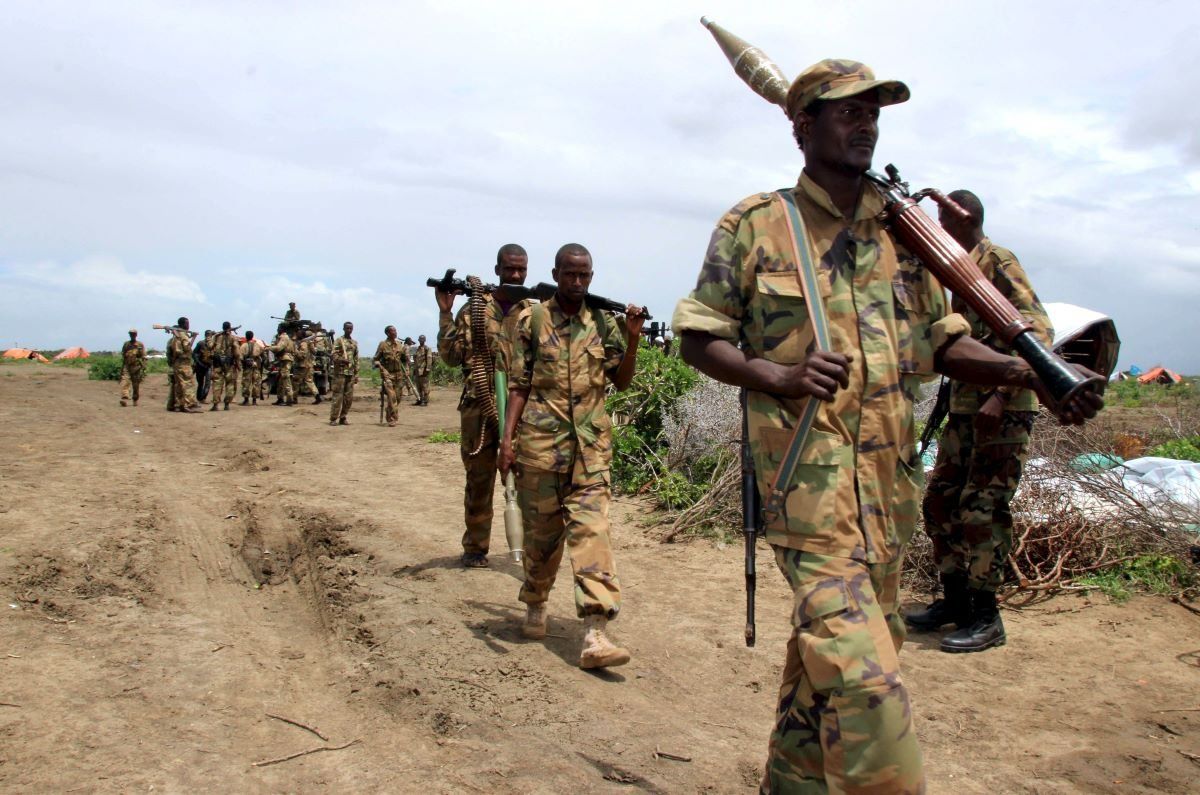
​Jubbaland forces carry their ammunitions during a security patrol against Islamist al Shabaab militants in Bulagaduud town, north of Kismayu, Somalia.
Jubbaland forces carry their ammunitions during a security patrol against Islamist al Shabaab militants in Bulagaduud town, north of Kismayu, Somalia.
REUTERS/Abdiqani Hassan
On Wednesday, fighting broke out in Somalia’s semi-autonomous Jubbaland between regional and federal government forces. The violence came after Jubbaland held an election without Mogadishu’s authorization that granted Ahmed Mohamed Islam Madobe a third consecutive term.

What happened? When Jubbaland ignored the federal government’s opposition to the election, Mogadishu issued an arrest warrant for Madobe, and Jubbaland responded by issuing a reciprocal warrant for President Hassan Sheikh Mohamud.

Somalia's defense minister accused the Jubbaland forces of initiating the clashes on Wednesday, but the federal government responded with drone strikes, and both sides are reporting casualties.

Why it matters: The fighting is taking place in a strategically important region. Jubbaland, one of Somalia’s five semi-autonomous regions, is situated adjacent to Kenya and Ethiopia. It is Somalia’s breadbasket, its shoreline delineates a contested maritime zone with Kenya, with potential oil and gas deposits, and Kismayu is a key port.
More For You

Microsoft is advancing its efforts to eliminate single-use plastics across its global packaging portfolio through material innovation and design changes across products like Surface and Xbox. By rethinking how packaging works—from cushioning to coatings and structural components—the company is reducing waste and demonstrating how design decisions at scale can deliver meaningful sustainability impact. Last week, Microsoft marked a key milestone in reducing single-use plastic in its packaging to just 0.07%, reflecting significant progress toward its broader commitment to become a zero-waste company by 2030. Read the full story here.

- YouTube

In this “ask ian,” Ian Bremmer says the United Arab Emirates’ decision to withdraw from OPEC reflects a broader erosion of trust in longstanding institutions amid growing regional instability.