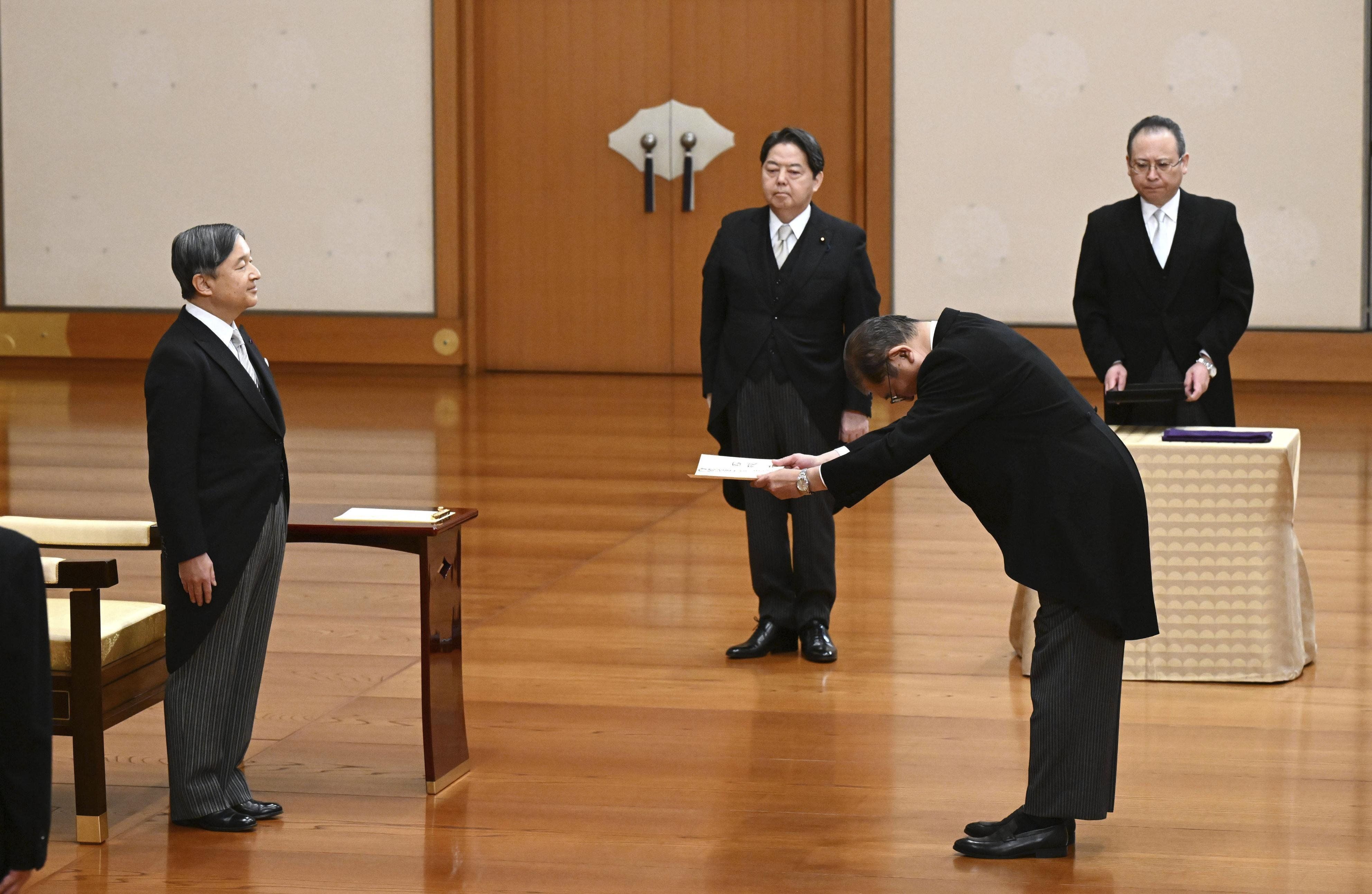
In a stunning feat of survival, Japanese Prime Minister Shigeru Ishiba of the Liberal Democratic Party won a run-off vote on Monday that will keep him in his job despite his party losing its parliamentary majority in last month’s snap elections.
The back story: Ishiba, a former defense minister, took over as LDP leader in September after his predecessor, Fumio Kishida, resigned amid corruption scandals. Gambling on a fresh mandate, Ishiba called snap elections. It didn’t work out: The LDP took a beating.
Now, he will preside over a minority government. The LDP will work on a vote-by-vote basis with a small, centrist faction, the Democratic Party for the People, whose leader on Monday caused waves of his own by admitting to have cheated on his wife with a model.
Ishiba has his work cut out for him. Growth in the world’s fourth-largest economy is sluggish, and inflation is high. Meanwhile, Ishiba has said Japan faces “the most severe and complicated security environment” since World War II, as China and North Korea become more assertive, and Donald Trump’s return to the White House
heralds a more protectionist and transactional attitude from Tokyo’s most important security ally.