GZERO AI

The US, UK forge truce on AI

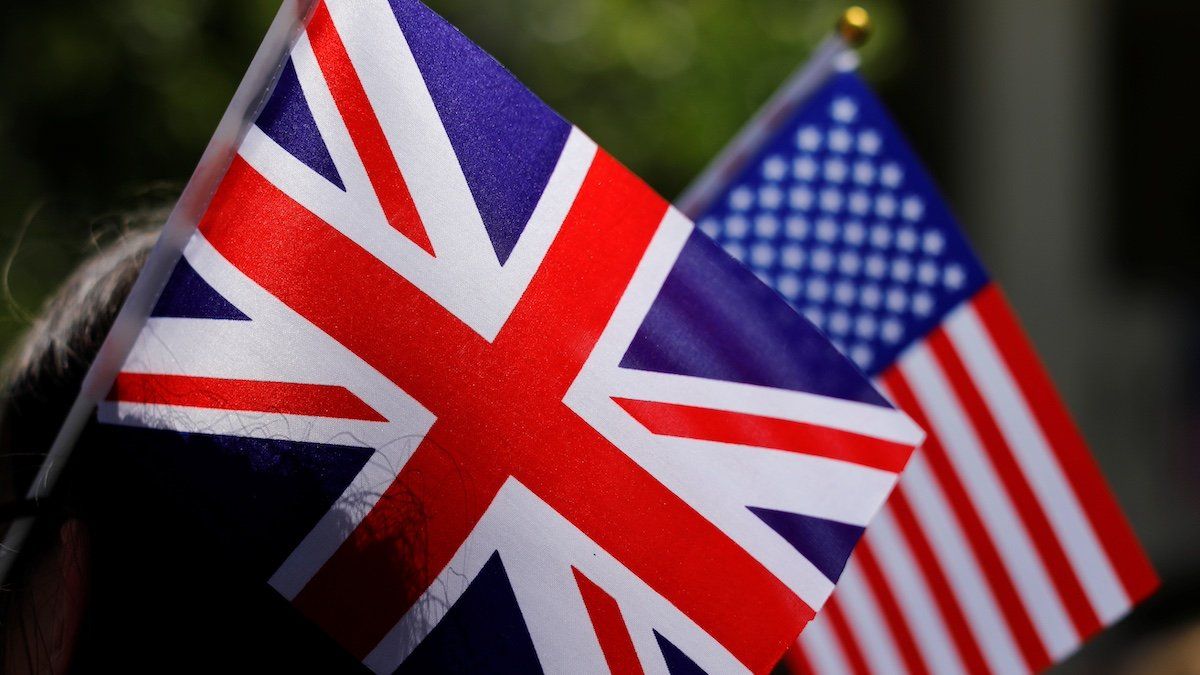
​British and American flags she takes part in a 'Here's to Meghan!' celebration ahead of her marriage to Prince Harry, as they celebrate at Immaculate Heart High School in Los Angeles, California, U.S., May 15, 2018.
British and American flags she takes part in a 'Here's to Meghan!' celebration ahead of her marriage to Prince Harry, as they celebrate at Immaculate Heart High School in Los Angeles, California, U.S., May 15, 2018.
REUTERS/Mike Blake

The US and UK have struck the world's first bilateral agreement on AI safety, agreeing to cooperate on testing and risk-assessing artificial intelligence.

Both countries will conduct their safety testing through new government bodies planned during last year's summit at Bletchley Park in the UK – which each country is calling the Artificial Intelligence Safety Institute. While the countries lag behind peers in the European Union on passing comprehensive legislation to govern the use of AI, they've introduced a series of lighter-touch measures to get the ball rolling

That said, the US seems much more eager to regulate the technology than the UK, which has promised a hands-off approach under its current leadership. The two countries haven't divulged how exactly they'll cooperate but said they plan on jointly testing at least one “publicly accessible model.” If the collaboration bears fruit, we’re watching for the principles it innovates to spread more widely, and whether other countries adopt bilateral AI alliances.
More For You

A man holds up a Venezuelan flag while taking part in a march calling for amnesty for political prisoners and to mark Youth Day, in Caracas, Venezuela, February 12, 2026.
REUTERS/Maxwell Briceno

US-backed negotiations are opening a possible path to democratic elections in Venezuela – even as the country’s most popular opposition leader remains outside the room.

A laborer works at the Congolese state mining company Gecamines' copper concentrator at its Kambove operation in the southern province of Katanga on January 31, 2013.
REUTERS/Jonny Hogg

The Democratic Republic of Congo has reportedly banned exports of copper and cobalt concentrates – the goal is to force more processing at home and capture a larger share of profits generated from its natural resources.