GZERO World Clips
Was modern America built on slavery?
Was Modern America Built on Slavery? | GZERO World
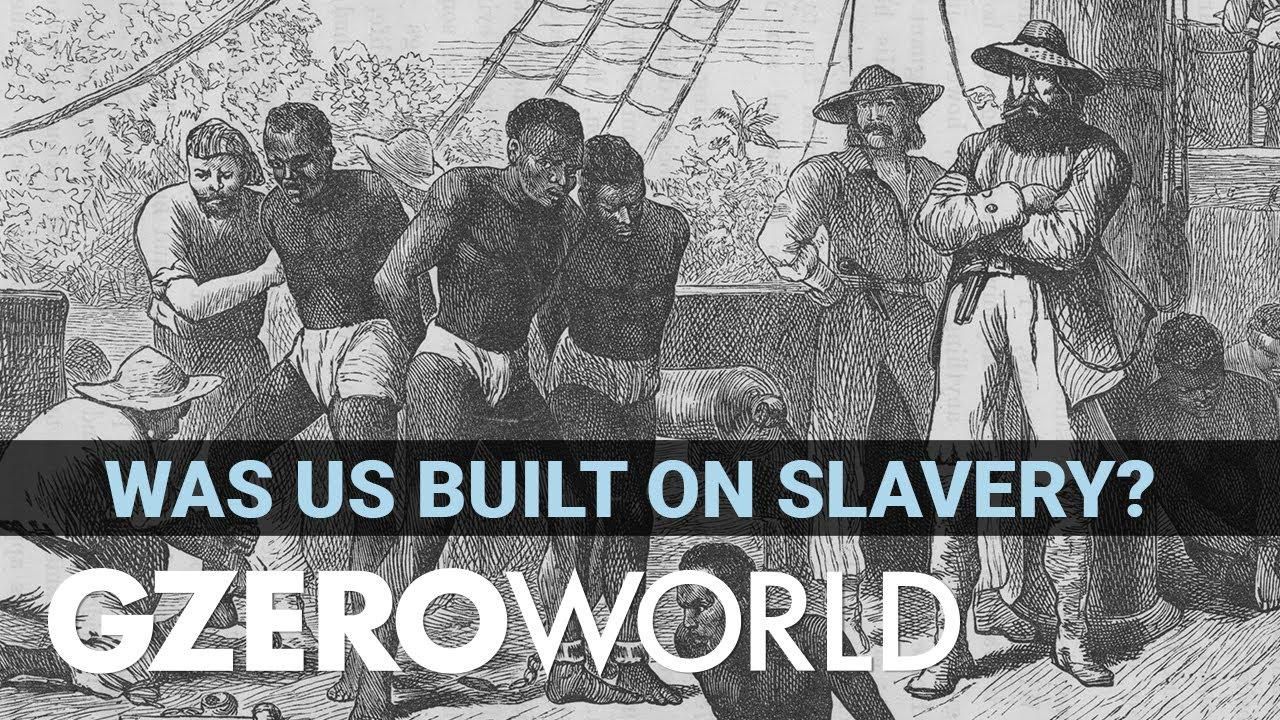
At the start of the Revolutionary War, slaves made up 20 percent of the population in British North America. They later built iconic buildings of US democracy like the Capitol and the White House in Washington.
But what if slavery was more than just America’s original sin? What if the institution of slavery itself was foundational to modern America?
That's what Pulitzer Prize-winning New York Times journalist Nikole Hannah-Jones defends — in very simple terms — in the 1619 Project. This sprawling collection of essays, short stories, and poetry published in 2019 argues that American history begins not in 1776 with the Declaration of Independence but rather 157 years earlier, when the first slave ship arrived in the British colonies on the other side of the Atlantic.
The 1619 Project landed like a cultural atom bomb. And soon later, the formerly obscure academic field known as “critical race theory” or CRT took center stage at conservative rallies and school board meetings.
What's the relationship, if any, between the two? Ian Bremmer explains.
Alberta is staying in Canada. But the more important results may have come from the nine other questions on the referendum ballot that have received considerably less attention.
A Democratic sweep in 2026 could shake up Washington. Will it change Trump’s grip on power or set the stage for 2028? Amy Walter and Liam Donovan join Ian Bremmer on GZERO World.
Could China give Europe a shortcut in the AI race?
Europe has struggled to build models that compete with American and Chinese rivals. But Chinese models that companies can download, customize, and run themselves could offer another way forward—with more control over data and security.