November 22, 2021
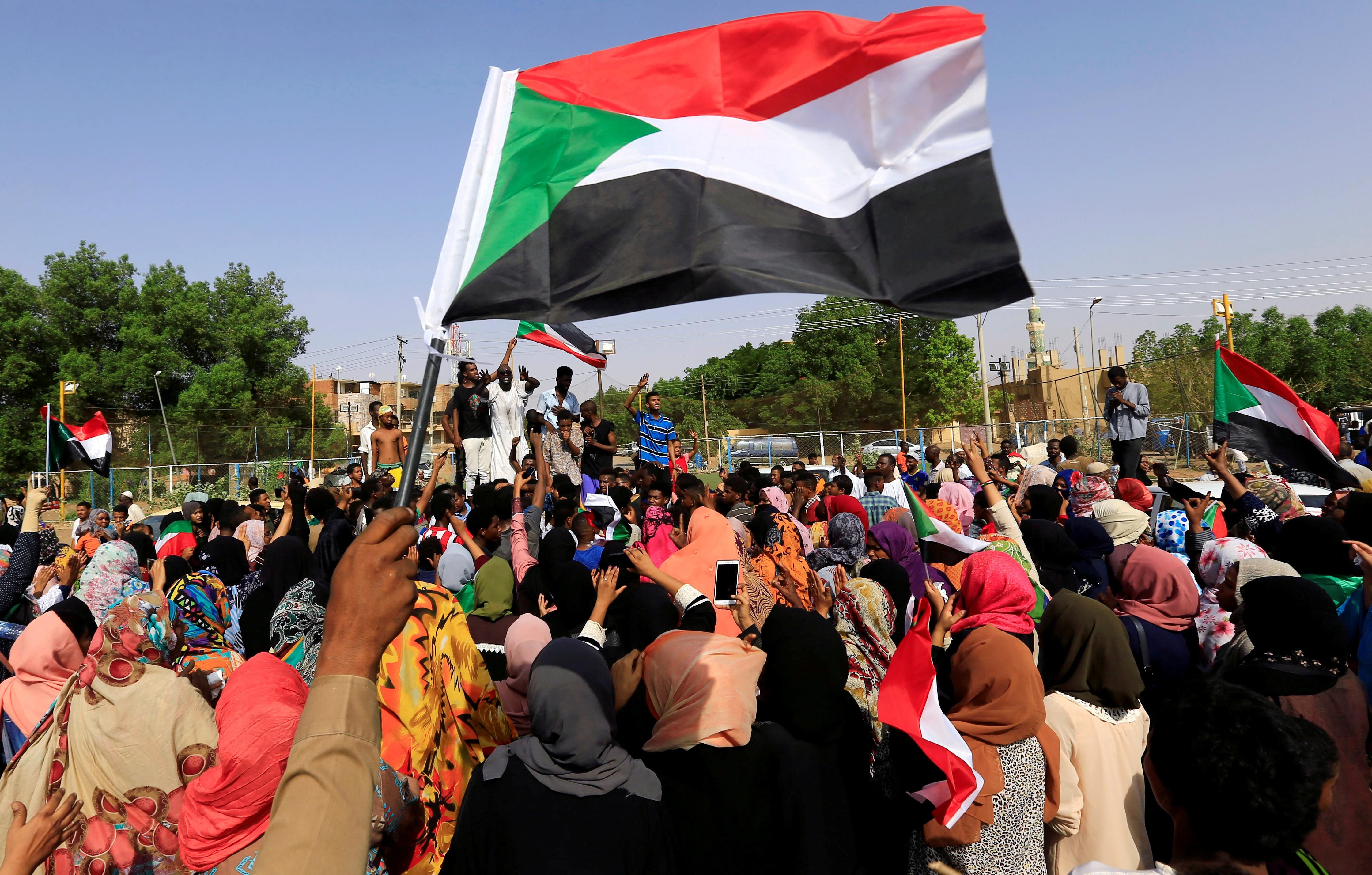
A tenuous deal in Sudan. One month after the Sudanese army deposed the country's joint civilian-military government, Prime Minister Abdallah Hamdok was released from detention Sunday. The new deal negotiated by Lt. Gen. Abdel Fattah al-Burhan, who led last month's coup, reinstates Hamdok as PM and calls for the release of arbitrarily detained political prisoners. Al-Burhan says he supports the return to a power-sharing agreement, though it's unclear what this might actually look like given that the military staged the coup in the first place to avoid handing over executive powers to the civilian leadership. Meanwhile, protesters took to the streets of Khartoum Sunday, saying the deal is merely a ploy by the military to get Washington to remove crippling sanctions, while still maintaining a grip on power. Indeed, critics say that the ongoing political involvement of Lt. Gen. Mohamed Hamdan Dagalo – a former paramilitary leader with close ties to Sudan's former despot Omar al-Bashir – is proof that the military wing of the government is not serious about democratic reforms.
More For You
- YouTube
In his latest Quick Take, Ian Bremmer examines the collapse of US-Canada trade talks and what it reveals about President Trump’s growing political vulnerability.
Most Popular
Think you know what's going on around the world? Here's your chance to prove it.
Check out the latest swag from the official Puppet Regime merchandise store! Browse an array of products that will show the world you are a devoted subject of the Regime, including: A big, beautiful mug for drinking coffee very strongly, A handsome tote bag to carry your favorite classified documents, Collectible stickers, Stylish t-shirts and hoodies – now also available in pink. We ship worldwide! Shop now at shop.puppetregime.tv!
Zhuque-3 rocket by China’s private rocket firm LandSpace, takes off from the Jiuquan Satellite Launch Center, China, December 3, 2025
LandSpace/Handout via REUTERS
Chinese aerospace company LandSpace successfully recovered the first stage of a rocket on land for the first time on Wednesday, marking a major step toward reusable rockets.
© 2025 GZERO Media. All Rights Reserved | A Eurasia Group media company.