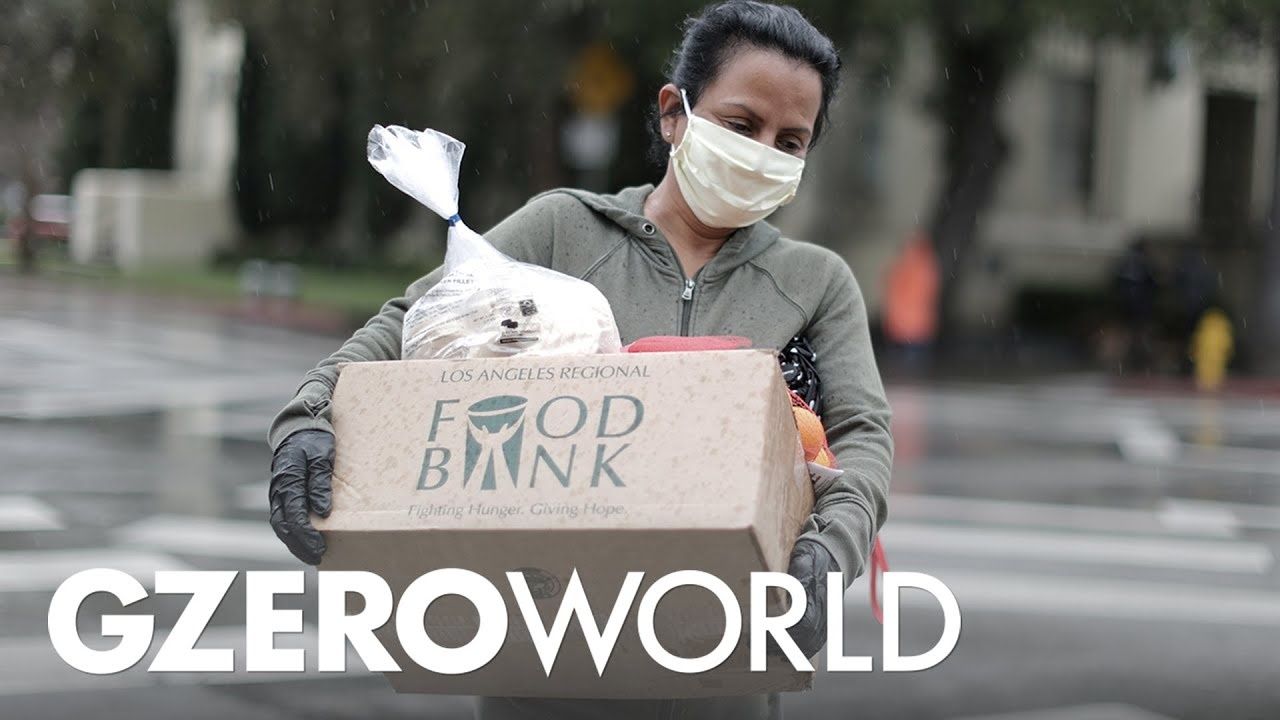
As the pandemic took hold in the US, consumers first reached for all the toilet paper they could find—when they could actually find it. Now, the nation is facing potential meat shortages as food supply chains are disrupted by processing plant shutdowns, rising infection rates among plant workers, and a system that was built to be too efficient for its own good. Former Iowa Gov. Tom Vilsack, who served as President Obama's Secretary of Agriculture, joins Ian Bremmer on this week's GZERO World to examine the cascading impact of COVID-19 on meat processing and distribution, and why the surplus goods stuck on farms can't find their way to the food pantries that need them. This episode begins airing nationally on US public television today, Friday, May 15. Check local listings.
More For You
China has defied Western sanctions for years and buys as much as 90% of Iran’s oil exports.
Most Popular
Show your undying devotion to The Regime
Invested in America’s curiosity
Think you know what's going on around the world? Here's your chance to prove it.
President Bola Tinubu faces strong headwinds in his bid for a second term.
Critics have said that Zelensky – now in his seventh year in office – has been in power for too long.