What We're Watching

Will new Secret Service admission cost Cheatle her job?

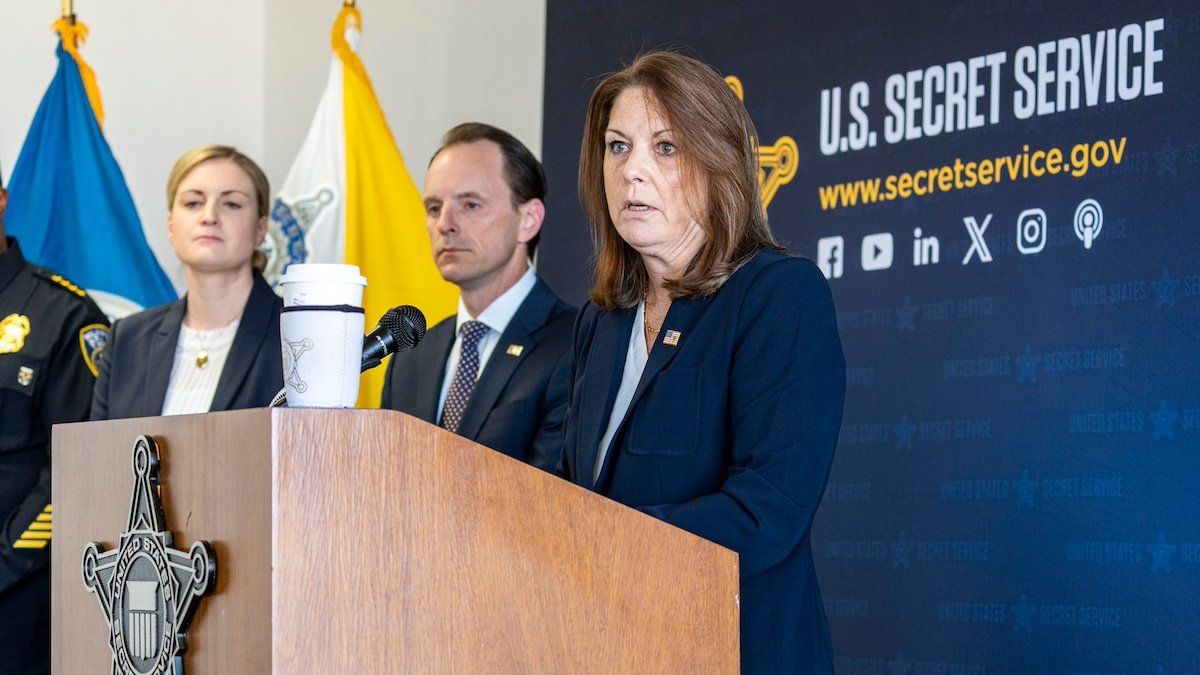
U.S. Secret Service Director Kimberly Cheatle speaks at a press conference by the U.S. Secret Service about the Republican National Convention on Thursday June 6, 2024 in Milwaukee, Wis.
Jovanny Hernandez / Milwaukee Journal Sentinel / USA TODAY NETWORK

The US Secret Service has now admitted to denying some security requests from Republican nominee Donald Trump’s campaign over the past few years. Before the assassination attempt against the former president last week, Secret Service agents in Trump’s detail had also requested more snipers and specialty teams at other outdoor events, which top officials at the agency denied due to a lack of resources and staffing shortages.

The change of narrative turns up the heat on Secret Service Director Kimberly Cheatle, who is set to testify before a House committee hearing on Monday about the assassination attempt. Questions include why the would-be assassin was not apprehended prior to the attack despite being flagged by a Secret Service counter-sniper 20 minutes before.

While Homeland Security Secretary Alejandro Mayorkas maintains thathis confidence in Cheatle is “100%”, a slew of Republicans, as well as a Democrat,Rep. Brendan Boyle of Pennsylvania, have called for her resignation. President Joe Biden, while supporting Cheatle, has ordered an independent investigation.

At a House briefing last week, Cheatle admitted the Secret Service fell short at a “no fail” mission but so farhas no plans to resign. We’ll see if that changes this week – and what other information comes to light at the hearing.
More For You

A displaced woman holds an Iranian flag as she makes her way back to her home in southern Lebanon, on the highway of Sidon, Lebanon, June 16, 2026.
REUTERS/Zohra Bensemra

On June 14, the US and Iran announced a deal to end the war. A signing ceremony is set for Friday. The terms include an immediate ceasefire on all fronts. With both sides spinning the deal as a victory, there are plenty of ways for this to go wrong.

As AI reshapes the future of work, its impact will depend on the choices we make today. In this new blog, Brad Smith reflects on how graduates are calling for technology that supports human judgment, expands opportunity, and strengthens the role of people in shaping the future. As AI adoption accelerates, the focus must remain on building skills, creating meaningful work, and ensuring its benefits are broadly shared across society. Read the full blog here.

Israeli Prime Minister Benjamin Netanyahu holds a news conference, following a US-Iran deal, in Jerusalem, June 15, 2026.
REUTERS/Ronen Zvulun/Pool

Israeli PM Netanyahu was already struggling in polls ahead of elections later this year, but his situation might get worse after Washington and Tehran agreed to a deal (pending its signing on Friday). Why the issue with ending the war?