December 17, 2024
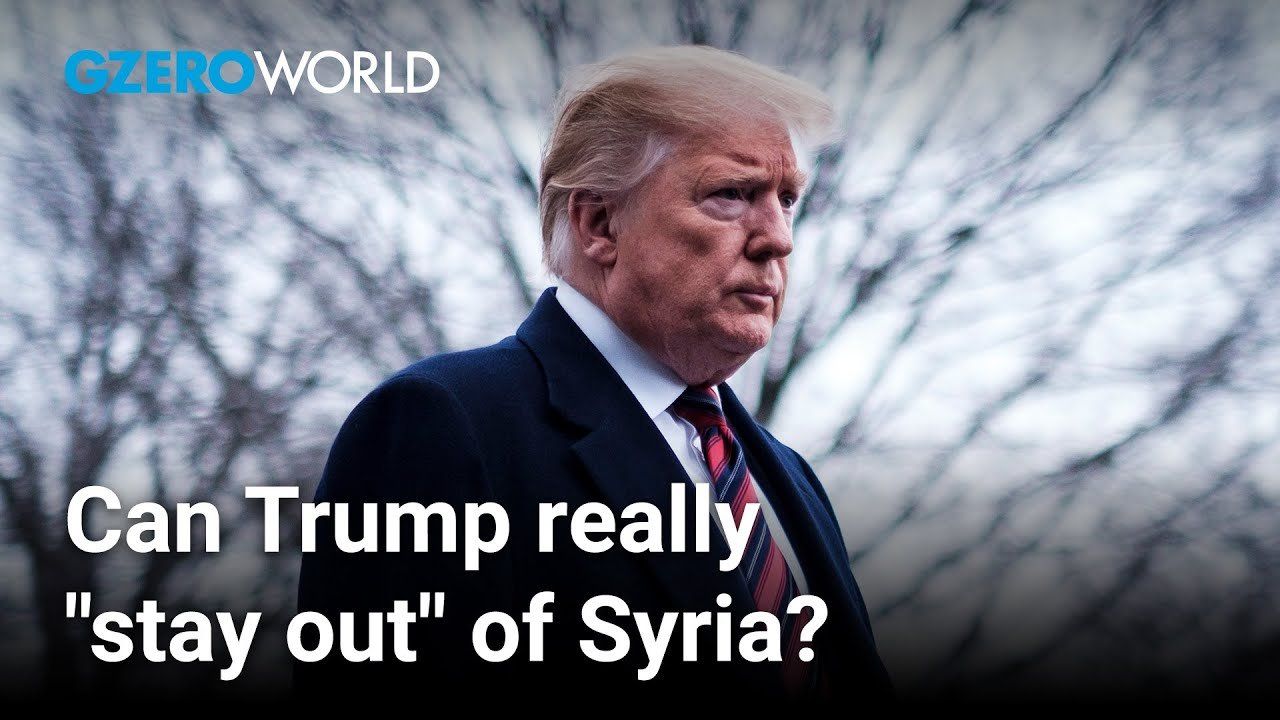
On GZERO World, Ian Bremmer and Beirut-based journalist Kim Ghattas discuss the aftermath of Assad’s fall in Syria and how an incoming Trump administration will approach it.
As the region braces for a pivotal transition or a power vacuum, the conversation centers on the delicate balance between America First and the necessity of being a part of the conversation in one of the most contested regions in the world.
“There’s a difference between supporting a country and having a military intervention,” Ghattas explains, emphasizing that Syrians must lead their own rebuilding process. While President Biden’s administration has signaled its willingness to recognize Syria’s transitional government under conditions respecting freedoms and minority rights, Ghattas acknowledges the complexities of working with groups like HTS. “They are saying all the right things… but we should trust Syrians to push back if HTS tries to impose Islamic rule on Damascus,” she notes.
Ghattas interprets Trump’s position—“this is not our fight”—as a call for restraint rather than indifference. “It is of national security interest to the United States to make sure this transition goes forward as smoothly as possible,” Ghattas asserts, warning against spoilers that could derail progress.
Watch full episode: Syria after Assad.
GZERO World with Ian Bremmer, the award-winning weekly global affairs series, airs nationwide on US public television stations (check local listings).
New digital episodes of GZERO World are released every Monday on YouTube. Don't miss an episode: subscribe to GZERO's YouTube channel and turn on notifications (🔔).
More For You
- YouTube
Most Popular
Think you know what's going on around the world? Here's your chance to prove it.
As the AI boom drives demand for data centers, smaller countries are betting that cheap energy and land can earn them a place in the global race for computing power
As America celebrates 250 years, Bank of America is proud to honor our shared history. Discover our commitment.
© 2025 GZERO Media. All Rights Reserved | A Eurasia Group media company.