Syria’s government has fallen, precipitating change across the region and beyond. How did things get here, and where could they go?
Syria under Assad
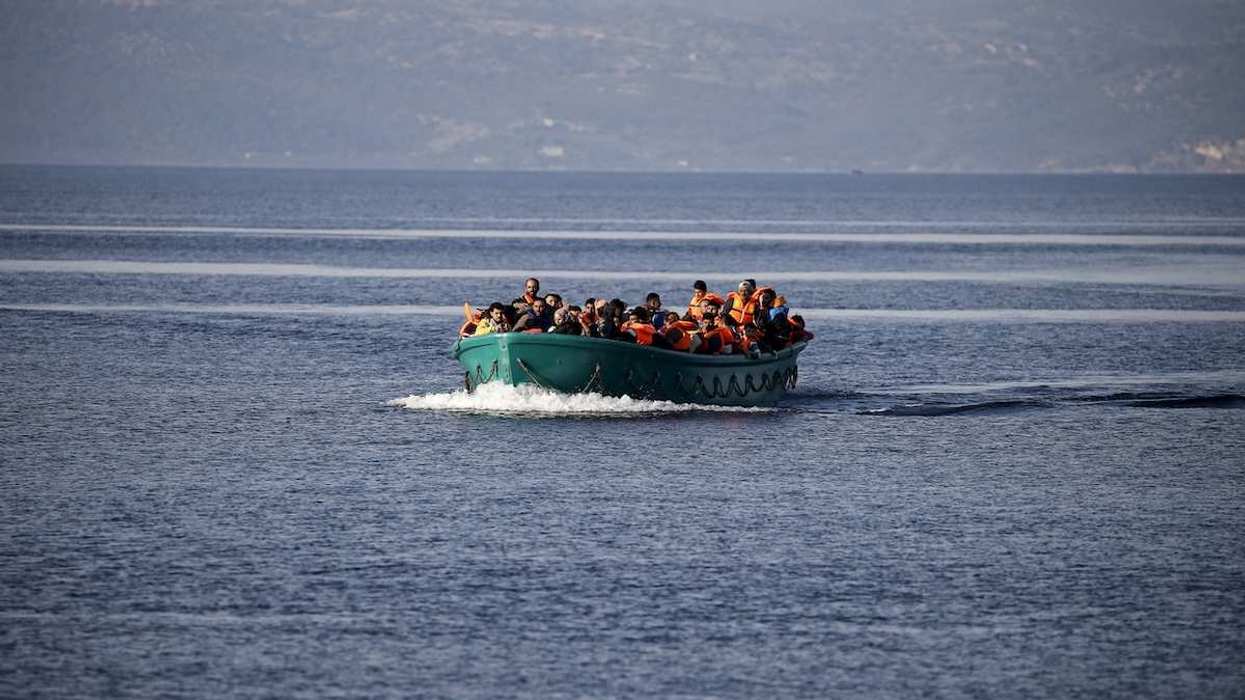
The Syrian civil war, sparked by the Arab Spring of 2011, began as protests against the dictatorship of Bashar Assad, who took over from his father after Hafez Assad died in 2000. Known as “the Butcher of Damascus,” Bashar Assad killed and imprisoned thousands of political opponents and minority populations with the support of Russia, Iran, and Hezbollah. The conflict killed over 500,000 Syrians and displaced half the country’s population of 26 million people, prompting a refugee exodus to neighboring Turkey as well as Europe, the USA, and Canada.
Over the weekend, Assad fled with his family and was granted asylum in Moscow.
New rebel leadership
In just two weeks, insurgents seized control of major Syrian cities including Aleppo, Homs, Hama, and the capital, Damascus, and officially toppled Assad’s regime on Saturday. The main rebel force, Hayat Tahrir al-Sham, or HTS, is led by Abu Mohammad al-Golani, a former al-Qaida militant who in the last decade has transformed from radical jihadist to ostensible pragmatist. Skeptics question the authenticity of his change of heart, however, and HTS is still designated as a terrorist group by many countries, including the United States.
Regional impacts
Iran: The collapse of Assad’s regime deals a significant blow to Iran’s "Axis of Resistance," severing a crucial conduit for arms to Hezbollah in Lebanon and diminishing Tehran's influence in the region. This leaves it more vulnerable to any direct conflict with Israel.
Lebanon: US envoy Amos Hochstein believes the Syrian war’s outcome will have a “massive impact” on Lebanon as it reduces Iran’s ability to send weapons to Hezbollah. Syria’s instability could also worsen Lebanon’s fragile economic state.
Israel: Prime Minister Benjamin Netanyahu attributed Assad’s fall to Israel’s “forceful action against Hezbollah and Iran.” Israel has nonetheless deployed forces into the Golan Heights to protect its border and struck military targets inside Syria to prevent weapons from falling into the hands of hostile forces including Hezbollah.
Turkey: Turkey has backed rebel forces throughout Syria’s 13-year war as part of its geopolitical rivalry with Iran, and the outcome is seen as a win for Turkish President Recep Tayyip Erdogan. Celebrations have erupted among Syrians in Turkey over Assad’s fall, and it is estimated that up to 50% of refugees there may choose to return.
Superpower Stressors
Russia: Since the war began, Vladimir Putin has provided political support, military aid, and direct military intervention. This loss weakens Russia’s strategic position in the Middle East, including jeopardizing control over its Syrian air base in Hmeimim and naval air base in Tartus.
Russia’s military commitments in Ukraine are also blamed for weakening Moscow’s ability to support Assad’s regime. Following his ouster, US President-elect Donald Trump called on Moscow for “an immediate ceasefire” in Ukraine.
The United States: The US has 900 troops in eastern Syria fighting against the re-establishment of the Islamic State and will remain there “to ensure [the group’s] enduring defeat, to ensure the secure detention of ISIS fighters and the repatriation of displaced persons," according to Deputy Assistant Secretary of Defense for the Middle East Daniel Shapiro. Under President Barack Obama, the US authorized thousands of airstrikes on Syria and Iraq starting in 2014 as part of Operation Inherent Resolve, part of an international effort to destroy the Islamic State.
This time around, US President-elect Donald Trump posted to Truth Social on Saturday that the US “SHOULD HAVE NOTHING TO DO” with the conflict in Syria. But Washington doesn’t appear to be listening: On Sunday, the US launched dozens of precision airstrikes against ISIS camps and operatives based in Central Syria, according to US Central Command.
And at a press conference on Sunday, US President Joe Biden not only took credit for helping topple the Assad regime through its sanctions against Syria and support for Israel’s efforts against Hezbollah, but he said the US will support Syria's neighbors, ensure stability in eastern Syria, protect against the Islamic State, and engage in a UN-led process to transition from Assad to an independent, sovereign Syria with a new constitution.
However, Washington will also “remain vigilant,” Biden added, noting that while the rebel groups that took down Assad “are saying the right things now,” the US “will assess not just their words but their actions.”