What We're Watching
Ukraine waits for help as Russia advances
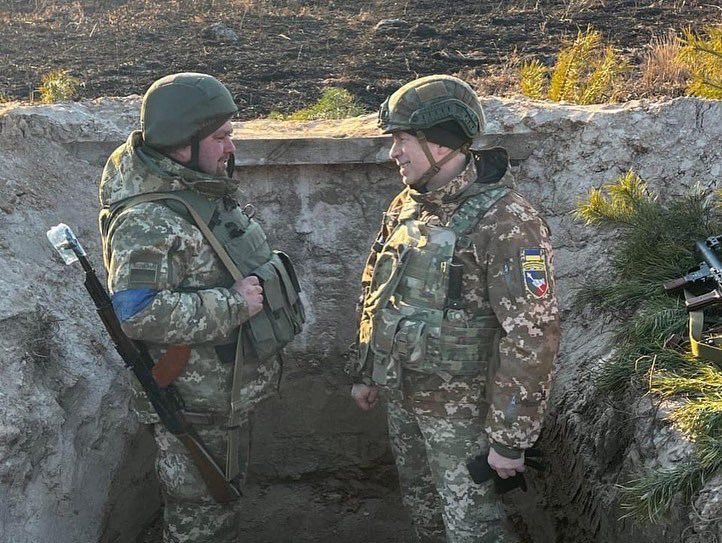
Colonel-General Oleksandr Syrskyi (R), the Commander of the Defense of Kyiv.
(Ukraine MOD/EYEPRESS)
Slow but steady gains come at great cost to Russian lives and equipment – both sides have seen tens of thousands of soldiers killed and hundreds of thousands wounded – but Russia has deeper reserves of both men and munitions.
For now, Ukraine is waiting for help, particularly from Washington. Without many more and much better weapons, warns Syrskyi, Ukraine can’t “seize the strategic initiative” back from the Russian invaders.
In Washington, House Speaker Mike Johnson continues to look for ways to provide Ukraine with tens of billions of dollars in assistance while avoiding an open revolt from Republican lawmakers who want to cut Ukraine loose. Both Democrats and Republicans in Congress want to see what Johnson will bring to the House floor for a vote, and Ukrainians are waiting to see how long they can resist Russia’s current momentum.
Can Washington turn military pressure into a diplomatic strategy? Brett McGurk joins Ian Bremmer on the GZERO World podcast to discuss the Iran war, Houthi attacks, and how elections in Israel and the US could reshape the region.
Think you know what's going on around the world? Here's your chance to prove it.
Canadian Prime Minister Mark Carney is in Turkey on Thursday for talks with President Recep Tayyip Erdogan - the visit is the first by a Canadian prime minister.