Digital trade offers Lebanon a lifeline
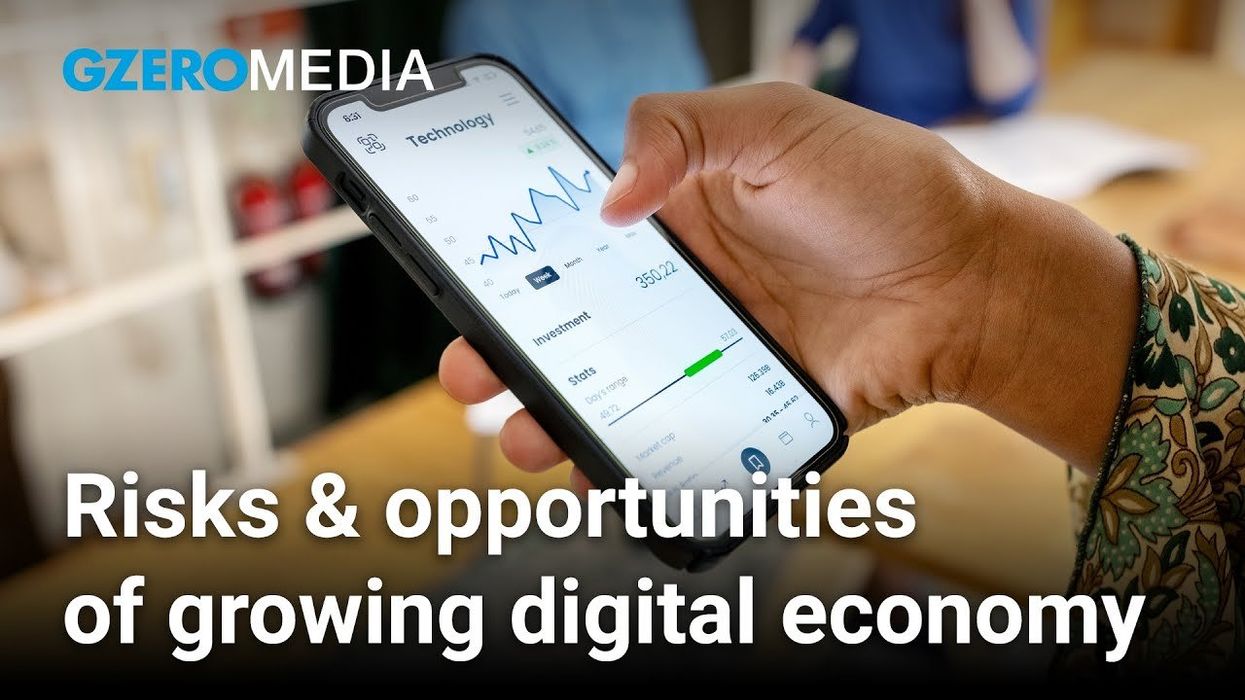
Lebanon’s economy has imploded following decades of government mismanagement. Its currency has lost more than 90% of its value against the US dollar since 2019, and the banking sector is in shambles. When foreign capital dried up, the government adopted strict capital controls preventing Lebanese from withdrawing dollar savings. This has led to mass demonstrations and even fake bank heists – desperate bids by some to get their hands on their own money. The International Monetary Fund has told Beirut to reform its zombie banking sector in order to unlock bailout funds – but to no avail. As a result, many have turned to digital payments. Digital wallets like Purpl and peer-to-peer money transfer apps allowing users to pay businesses directly have become a lifeline for the country’s 6.7 million people, many of whom rely on the 15-million-strong Lebanese diaspora to stay afloat. Dima Assad, a manager at Nada Debs, a Beirut-based interior design company, said her company had to switch to a payment gateway called PayTabs, based in the United Arab Emirates, when credit card payments in US dollars were blocked. What’s more, fintech offerings have been a game-changer for the 55% of people in Lebanon who don’t have access to bank accounts. Unbanked people used to line up at Western Union – and paid hefty fees – to send and receive money, but now they can use smartphones or laptops (78% have internet access) to access funds while incurring lower transaction fees. The economic situation in Lebanon remains dire, but digital trade offers a lifeline.
How COVID impacted digital trade
When the sudden appearance of a deadly novel coronavirus in early 2020 began forcing political leaders to restrict the movements of unprecedented numbers of people, it didn’t take much foresight to predict a surge in e-commerce. The move toward greater volumes of digital trade had been accelerating for years, mainly for economic and financial reasons, but the inability of businesses to welcome customers or to service the needs of other businesses pushed that historical trend into overdrive. This is a phenomenon that billions of people have experienced firsthand over the past 32 months as their work and their purchasing habits have changed. In that sense, COVID has raised expectations for long-term economic gains as pandemic-related necessities became mothers of invention.
But there are downsides we must consider. This acceleration ensures that the “creative destruction” that fuels all big macroeconomic gains – the collapse of some industries and businesses as more efficient and profitable ones take their place – has disrupted the lives and livelihoods of many more people in a shorter time frame than any economic phenomenon of the recent past.
And the digital divide, both within and among countries, may well have widened as those who have access and expertise in digital trade transition toward the future much more quickly and easily than those who don’t. The pandemic is not over, particularly for China, which has provided the primary engine for global growth over many years. We need a lot more data to understand both the positive and negative impacts of COVID on digital trade and its global impact. But these are subjects that will deserve careful study in years to come as life and commerce settle into a new normal.
e-Commerce at war
Doing business in a war zone presents, shall we say, added challenges. Mobilizations draw employees off to the front, battle lines cut across shipping routes, and overall uncertainty crimps both investment and commerce. Ukraine’s agricultural exports – its biggest export sector – in the 2022-2023 season (up to Aug. 19) were down 51.6% from the previous year, and the World Bank now predicts that its GDP will contract by a whopping 35% in 2022 (compared to a 4.5% dip for Russia’s GDP). But e-Commerce platforms can provide a new way to help local businesses reach a global audience even while the conflict rages. Last month, for example, the Ukrainian government launched an online marketplace called Made with Bravery that enables Ukrainian artisans and craftspeople to sell their goods around the world. The platform is available only to businesses based in Ukraine, and it donates 5% of all revenues to a foundation that is helping to rebuild parts of the country hit hard by the fighting. (Full disclosure: Made with Bravery was launched in partnership with our sponsor, Visa.This article comes to you from the Signal newsletter team of GZERO Media. Sign up today.