Skip to content
Search

Latest Stories

digital payments

Ukraine’s digital lifeline: Diia
Science & Tech

Ukraine’s digital lifeline: Diia

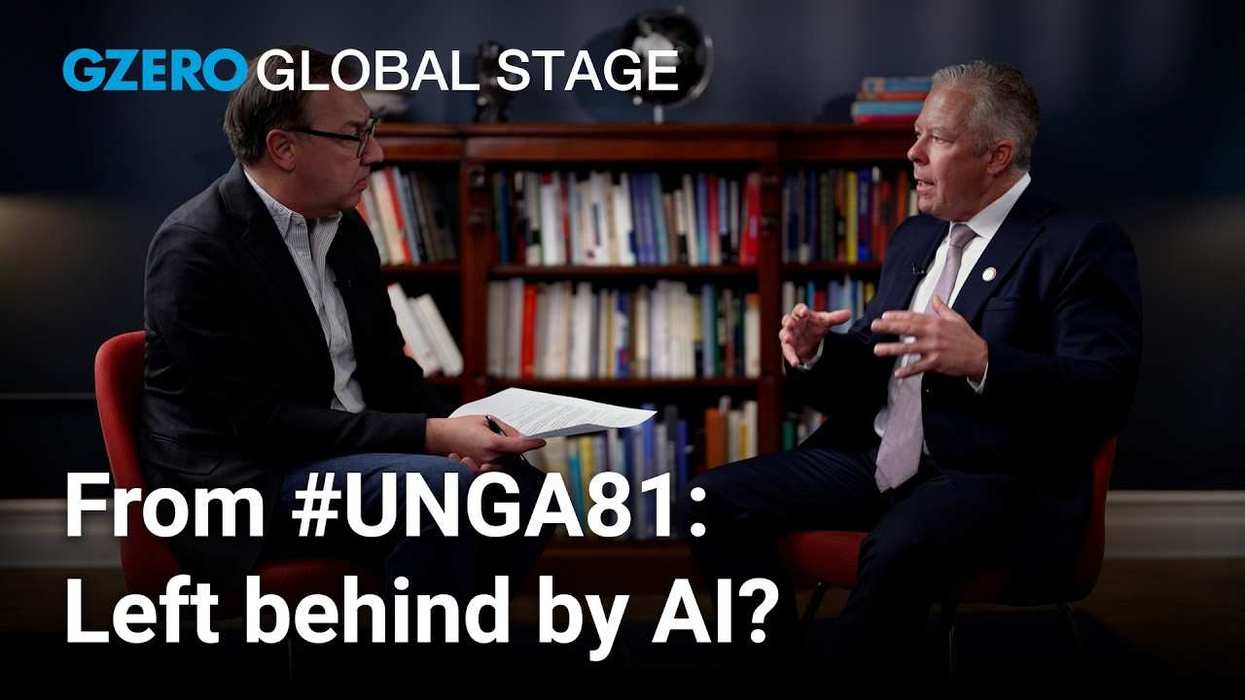
USAID's chief innovation officer Mohamed Abdel-Kader sheds light on Ukraine's groundbreaking eServices platform known as Diia. This platform, he emphasized, has significantly strengthened the connection between the government and its citizens—a vital development for Ukraine, particularly amid the ongoing brutal war with Russia.

Adapting to a digital economy around the world
Closing the Gap

Adapting to a digital economy around the world

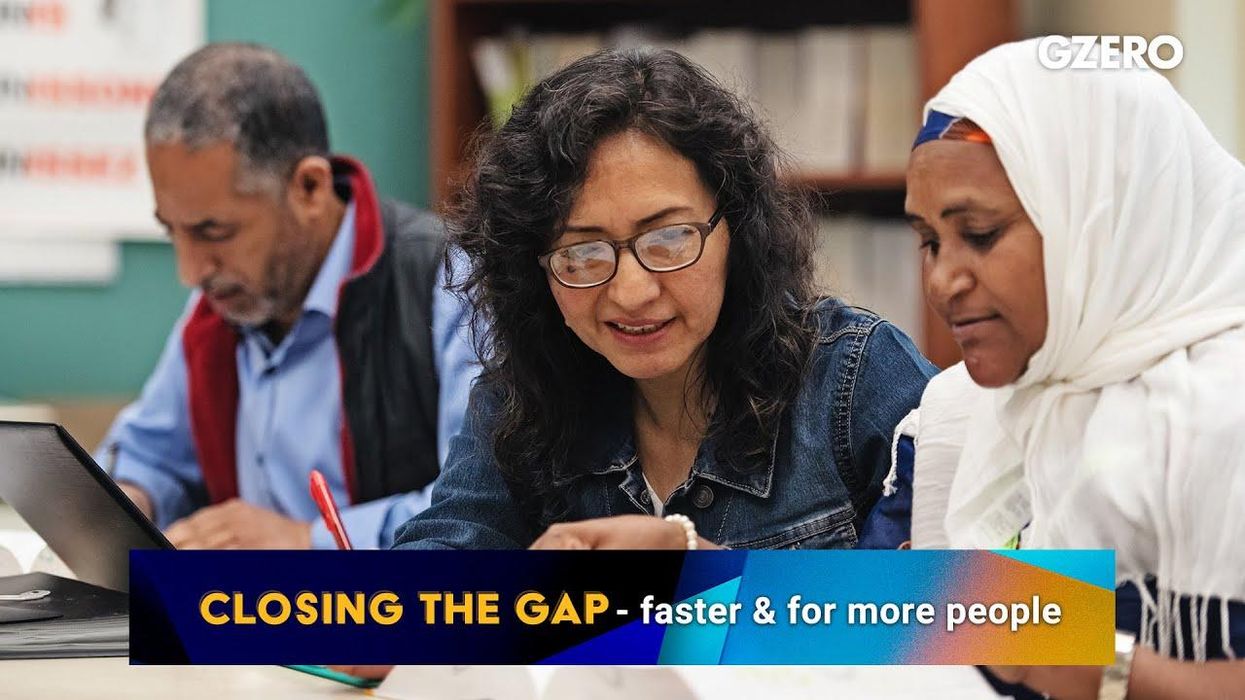
In the next decade, 70% of new value in the global economy will come from digital businesses. But more than 3.5 billion people without internet access will be cut off, and not all of them will live in the developing world. “This is very much a global challenge,” Eurasia Group senior analyst Ali Wyne says in a livestream conversation hosted by GZERO in partnership with Visa.

The world economy’s digital destiny
Closing the Gap

The world economy’s digital destiny

The shift to digital payment systems brings exciting opportunities for growth and incluson, but also a host of new challenges.

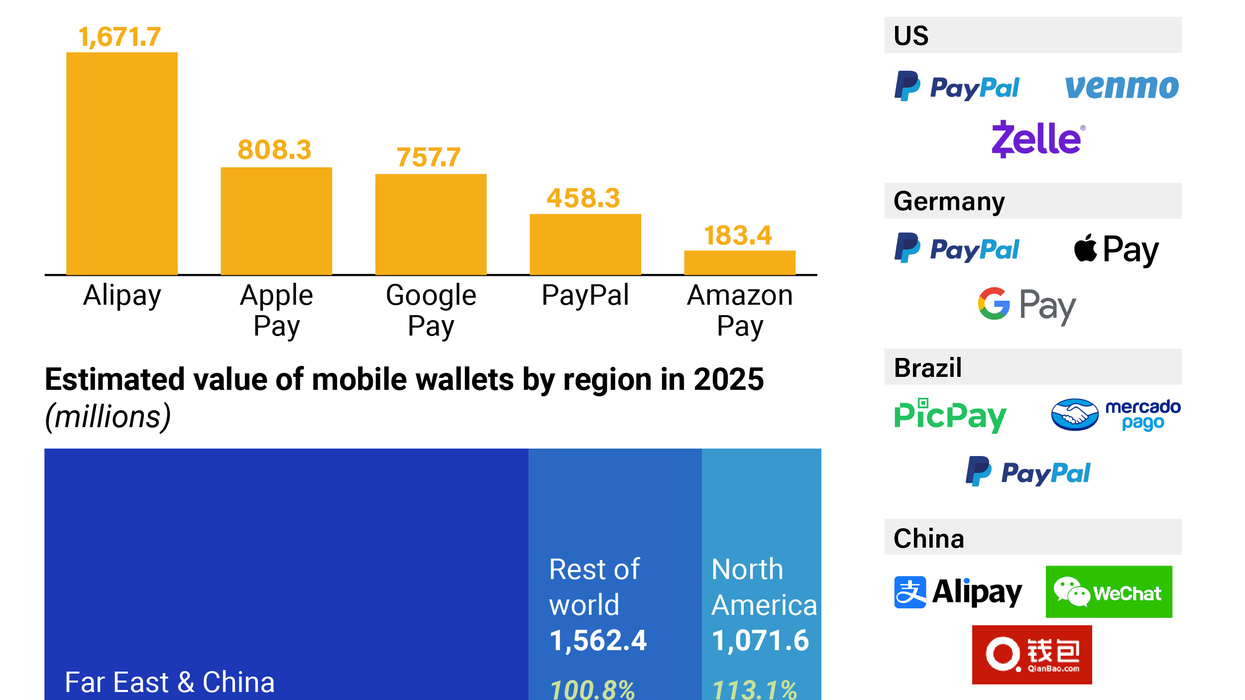
An infographic showing global digiatl payments
Closing the Gap

The Graphic Truth: Mobile payments around the world

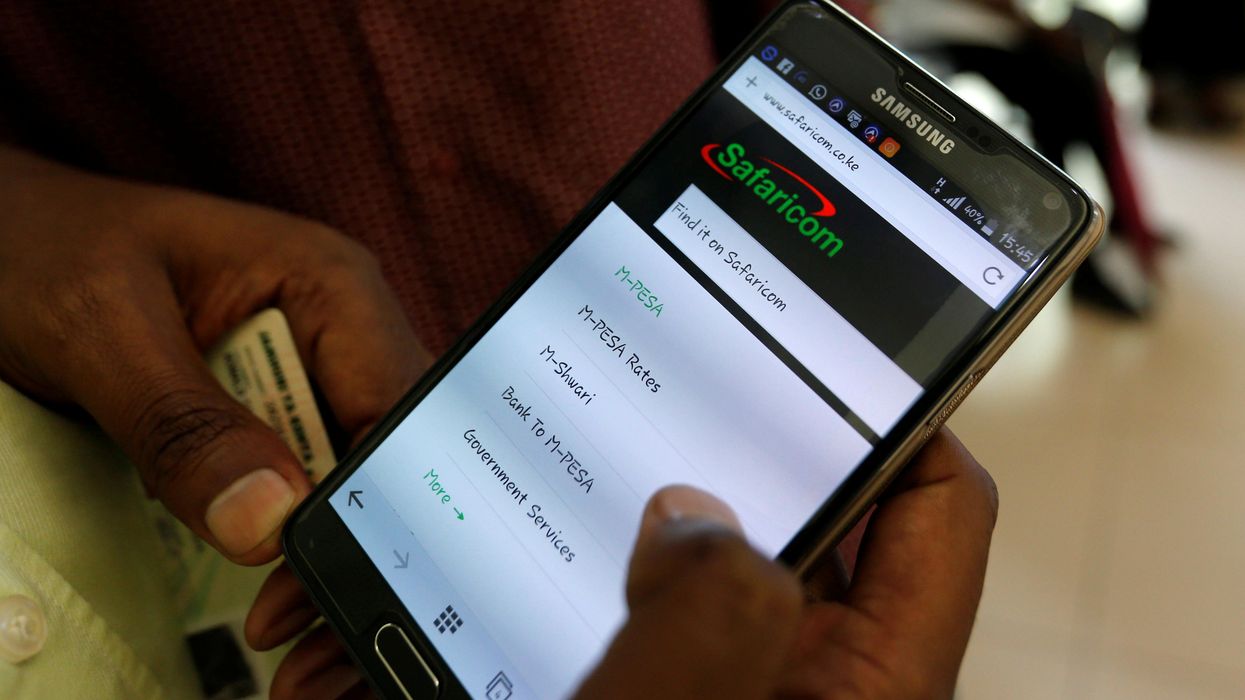
Mobile payments took off during the pandemic, and there's no going back. Contactless payments using your phone are now king in many parts of the world, like China, where cash is becoming an afterthought. But adoption has been uneven, with Asia leading the way and Latin America struggling to keep pace. Meanwhile, people in sub-Saharan Africa are digging low-tech mobile payment solutions that work on simple cellphone networks. We look at which regions will dominate these transactions in the future and which are the most popular platforms globally, highlighting a few select markets.

Lowering costs of poverty with digital & economic access
Closing the Gap

Lowering costs of poverty with digital & economic access

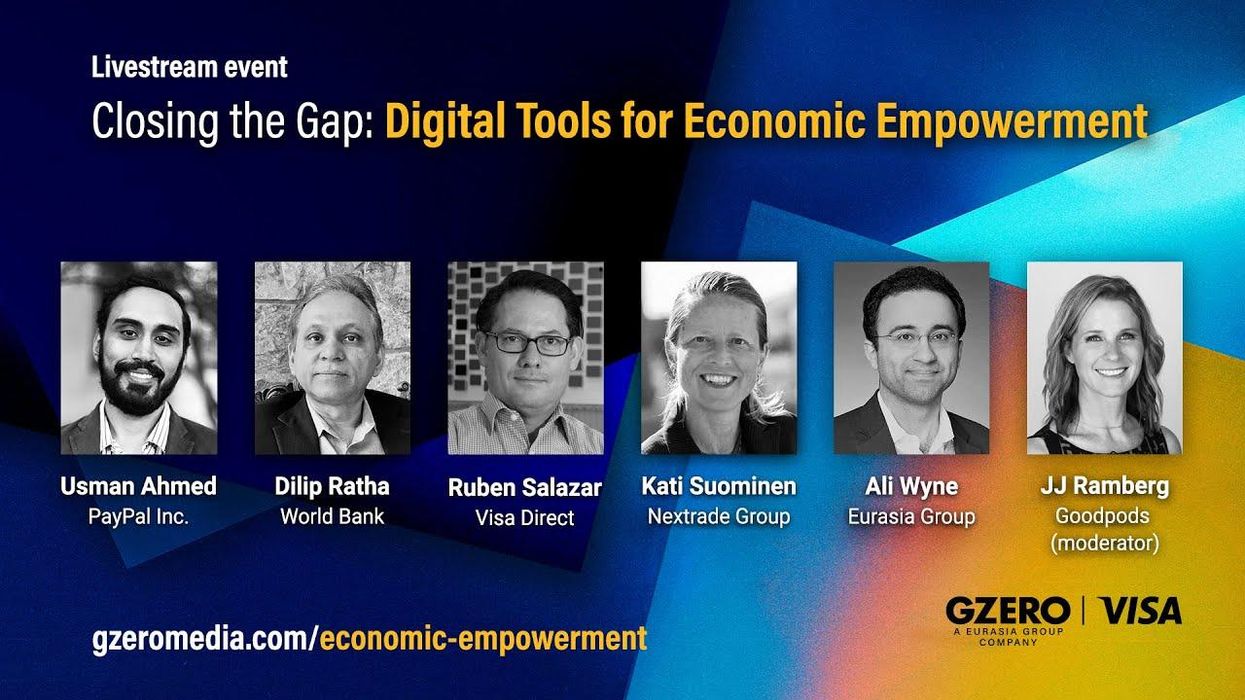
Expanding access to digital tools for individuals and small businesses is a no-brainer, but easier said than done. So, what can we do to expand digital trade further, come up with fairer and safer remittances and digital payments, and push to include everyone in tomorrow's digital-first economy? To get some answers, GZERO hosted in partnership with Visa the livestream conversation "Closing the Gap: Digital Tools for Economic Empowerment."

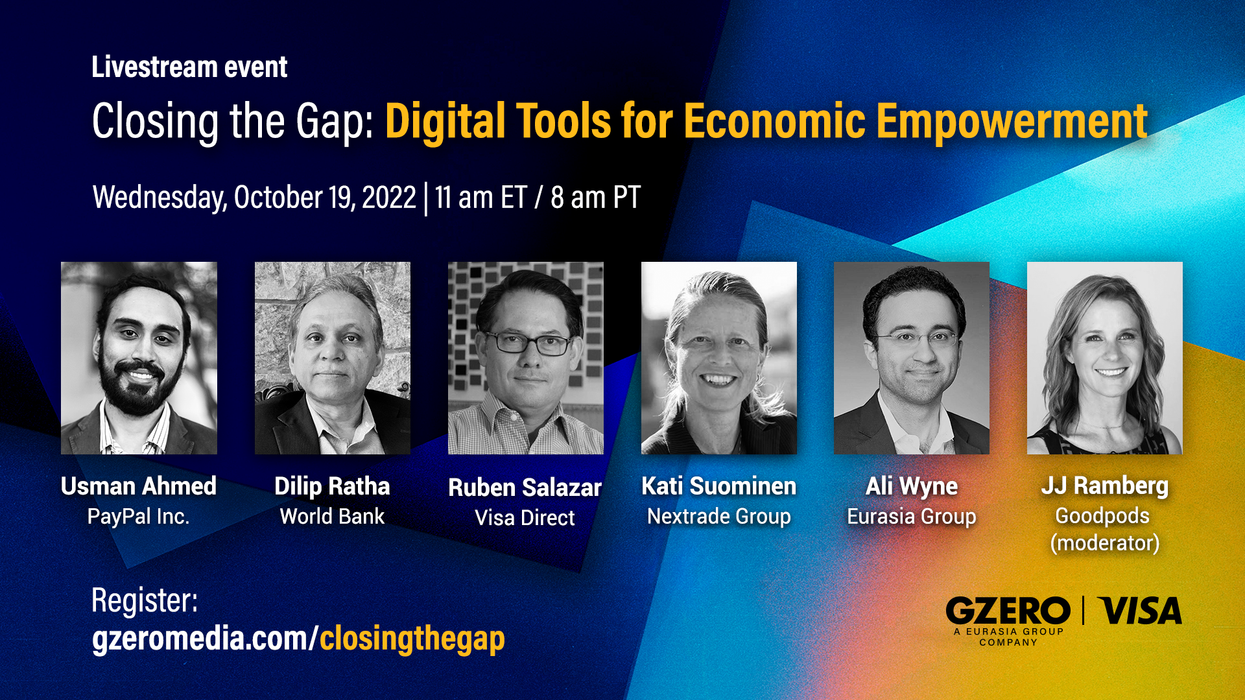
Closing the Gap: Digital Tools for Economic Empowerment Wednesday, October 19, 2022 | 11 am ET / 8 am PT
Closing the Gap

Watch live October 19: Can access to digital tools transform the world's economy?

Is digitization crucial to economic growth? GZERO Media is partnering with Visa to explore what it means when 70% of the global economy’s growth in the next decade is projected to come from digitally-enabled businesses – yet 3.7 billion people lack internet access. What are the tools and initiatives needed to bring more people into the digital economy? Live today, our expert panel will explore the impact of digitization on empowering consumers and small businesses. Watch here.

Will Nepal cash out?
Closing the Gap

Will Nepal cash out?

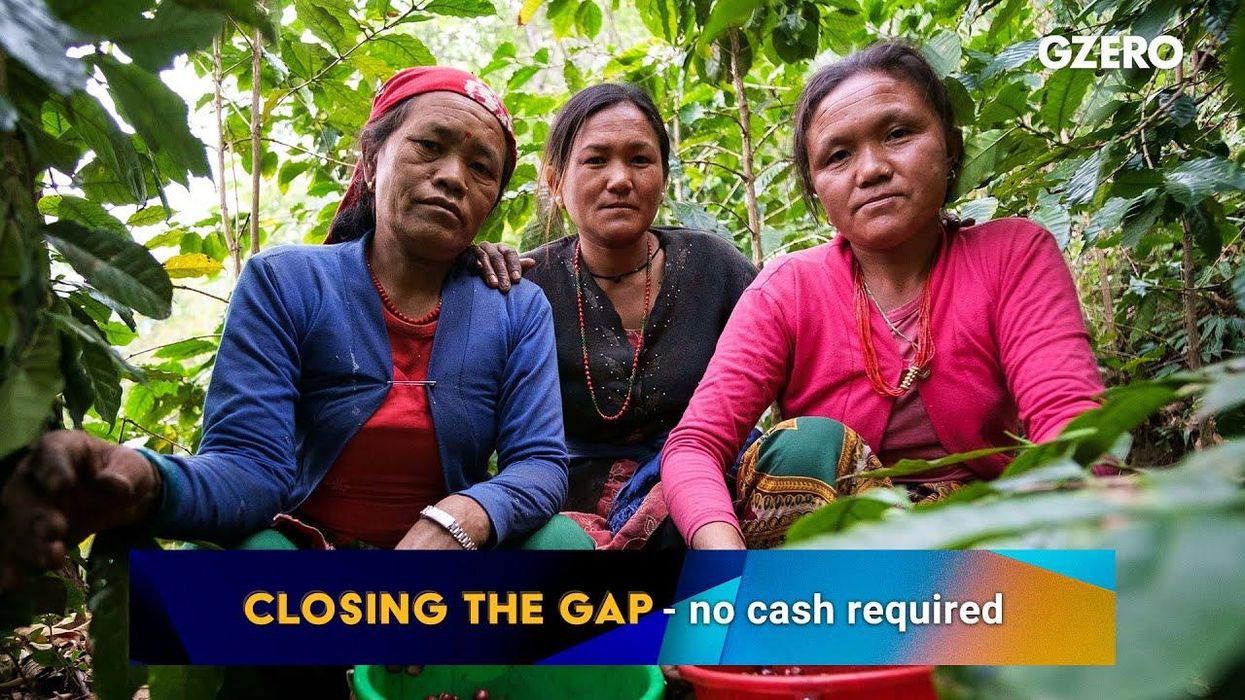
Like much of the world, Nepal saw digital payments soar during the pandemic. Tulsi Rauniyar, a young Nepalese documentary photographer, experienced the transition firsthand. With COVID making human touch a big concern, e-commerce and cashless transactions became more commonplace — so much so that Rauniyar herself rarely uses cash anymore. This technological globalization is increasingly helping female entrepreneurs and businesswomen succeed in Nepal. But it still needs to reach rural areas — where many hard-working women are unaware of these transformative technologies.

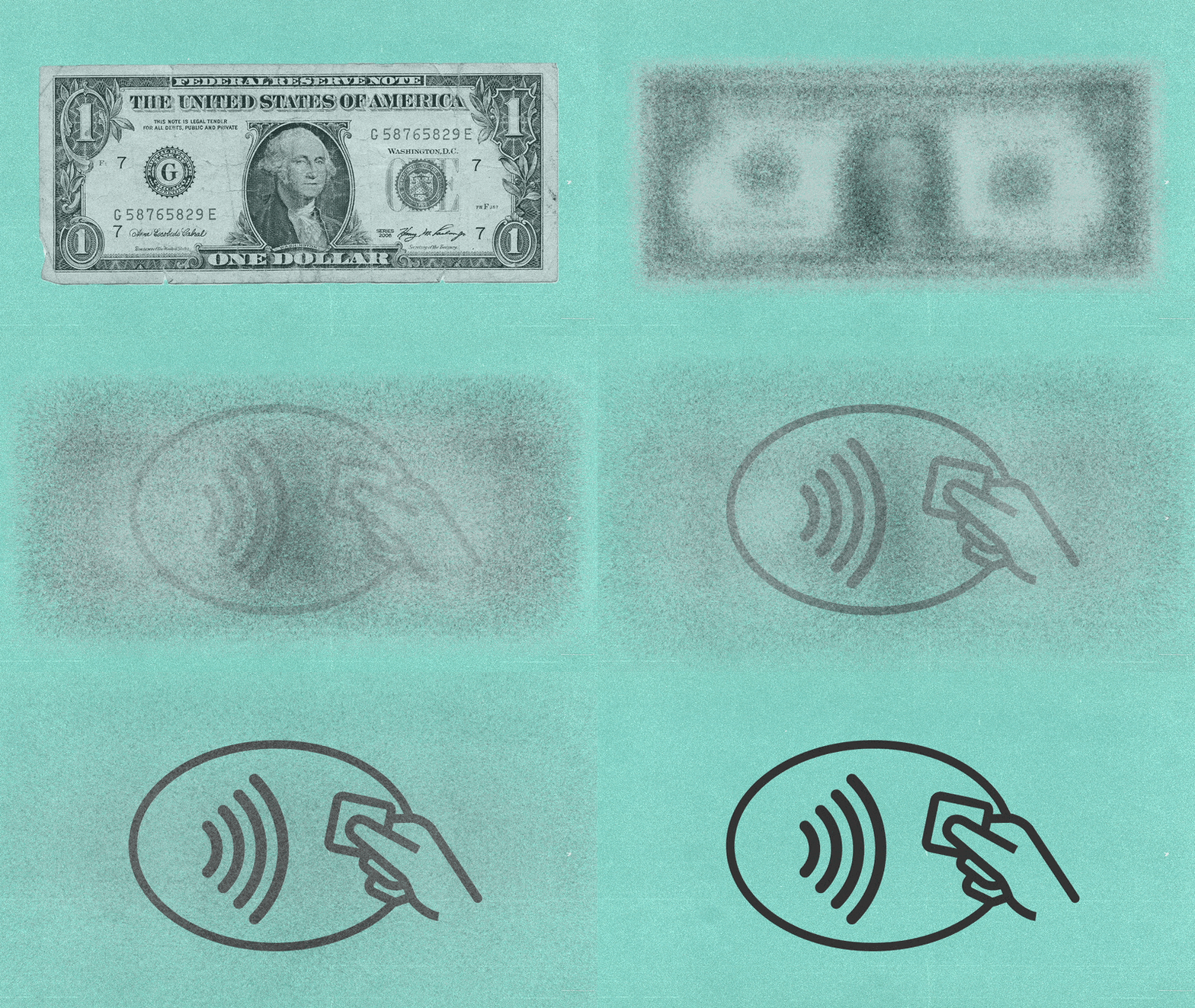
Gif showing a US dollar bill turning into the symbol for contactless card payments
Closing the Gap

How it pays to innovate

We are heading towards a future where cash will surely be used less and less.