Skip to content
Search

Latest Stories

economic empowerment

How digitization is accelerating international trade
Closing the Gap

How digitization is accelerating international trade

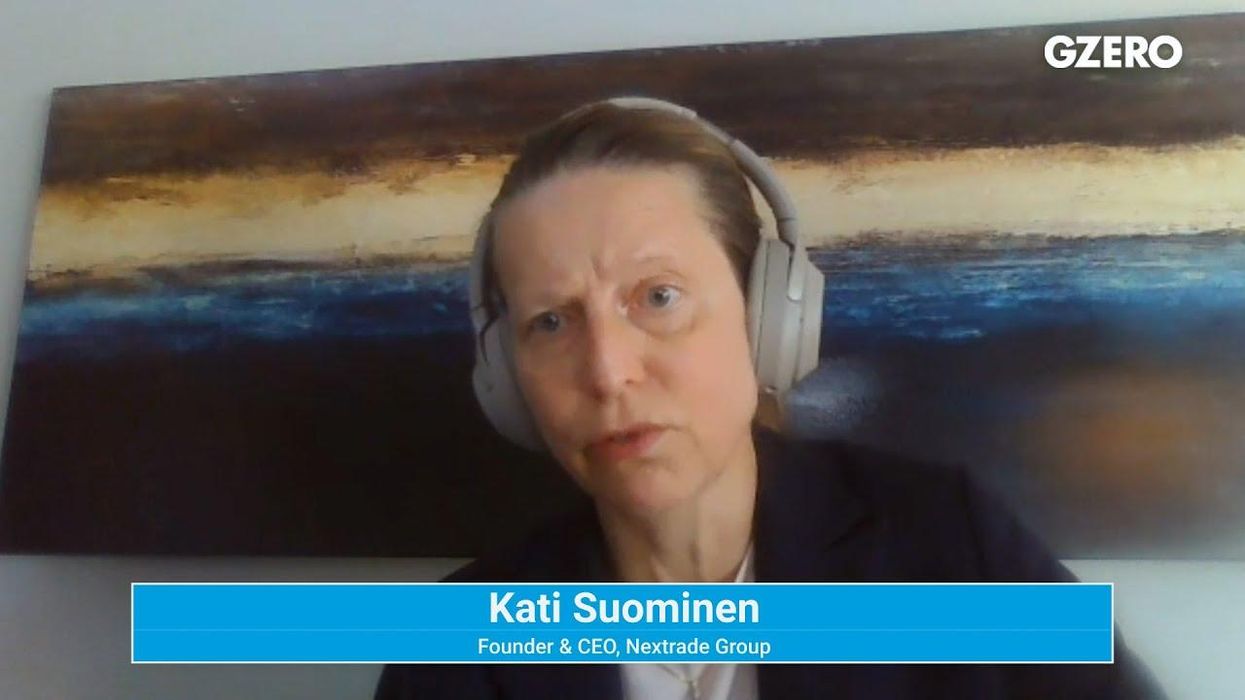
How did the pandemic facilitate cross-border trade? It certainly helped move things along more efficiently in two ways, Nextrade Group founder and CEO Kati Suominen says during a livestream conversation on closing the global digital gap hosted by GZERO in partnership with Visa.

The debilitating cost of remittances
Closing the Gap

The debilitating cost of remittances

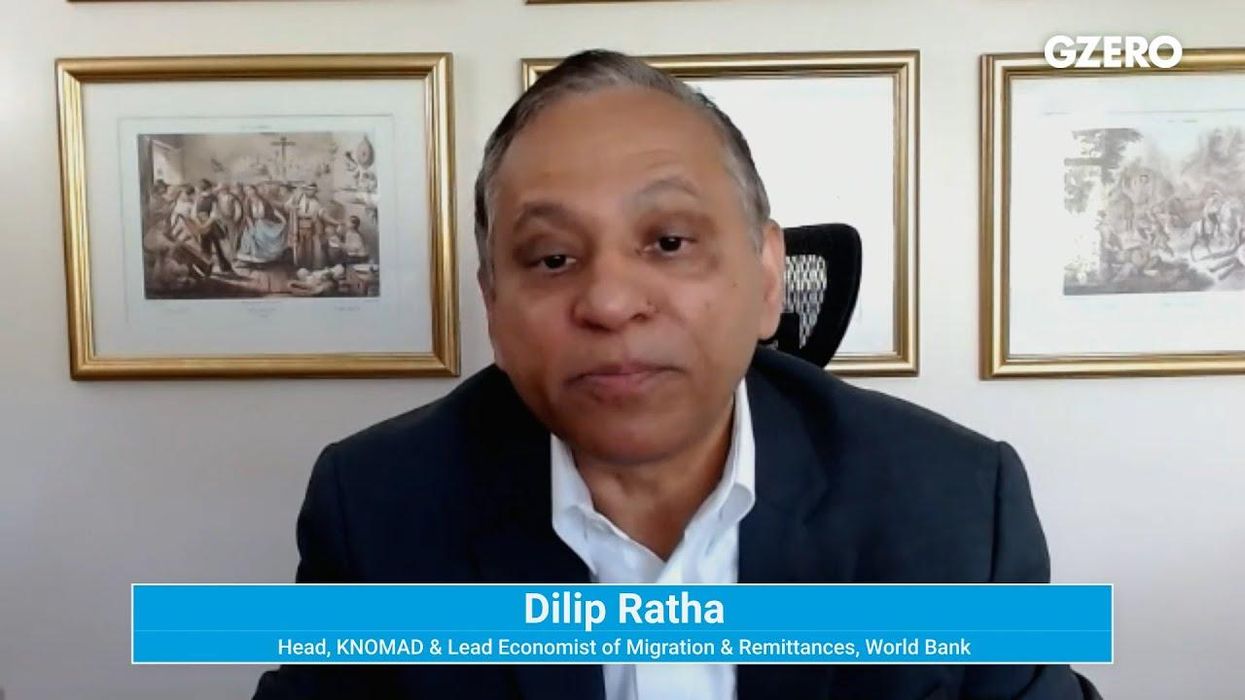
Dilip Ratha knows how hard it is to work abroad and send money home. Why? Because he had to go through the same hoops when he was a migrant. It's the inconvenience and the cost, the World Bank's head of KNOMAD and lead economist says during a livestream conversation on closing the global digital gap hosted by GZERO in partnership with Visa.

Political unrest when governments fail struggling citizens
Closing the Gap

Political unrest when governments fail struggling citizens

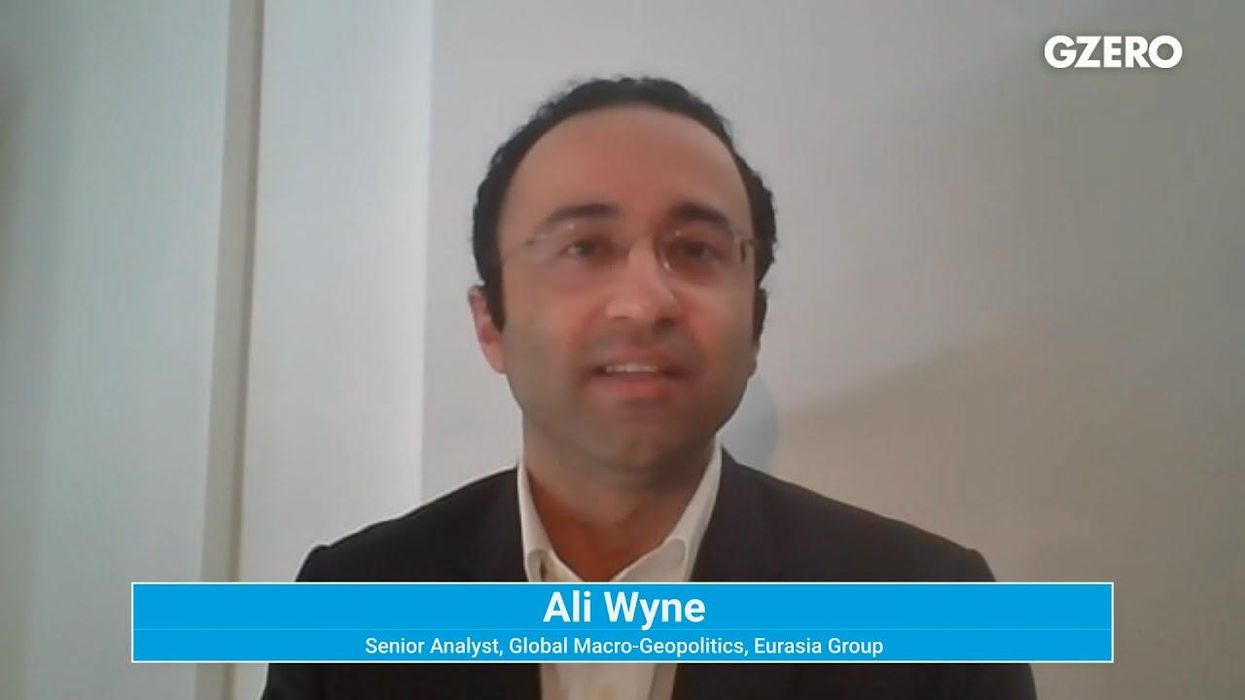
What happens when 1.4 billion people are cut off from the global economy because they don't have a bank account at a time of mounting crises? "The geopolitical ramifications are potentially huge," Ali Wyne, senior analyst for Global Macro-Geopolitics at Eurasia Group, says during a livestream conversation on closing the global digital gap hosted by GZERO in partnership with Visa.

Adapting to a digital economy around the world
Closing the Gap

Adapting to a digital economy around the world

In the next decade, 70% of new value in the global economy will come from digital businesses. But more than 3.5 billion people without internet access will be cut off, and not all of them will live in the developing world. “This is very much a global challenge,” Eurasia Group senior analyst Ali Wyne says in a livestream conversation hosted by GZERO in partnership with Visa.

Lowering costs of poverty with digital & economic access
Closing the Gap

Lowering costs of poverty with digital & economic access

Expanding access to digital tools for individuals and small businesses is a no-brainer, but easier said than done. So, what can we do to expand digital trade further, come up with fairer and safer remittances and digital payments, and push to include everyone in tomorrow's digital-first economy? To get some answers, GZERO hosted in partnership with Visa the livestream conversation "Closing the Gap: Digital Tools for Economic Empowerment."

How can we get unbanked people to go digital?
Closing the Gap

How can we get unbanked people to go digital?

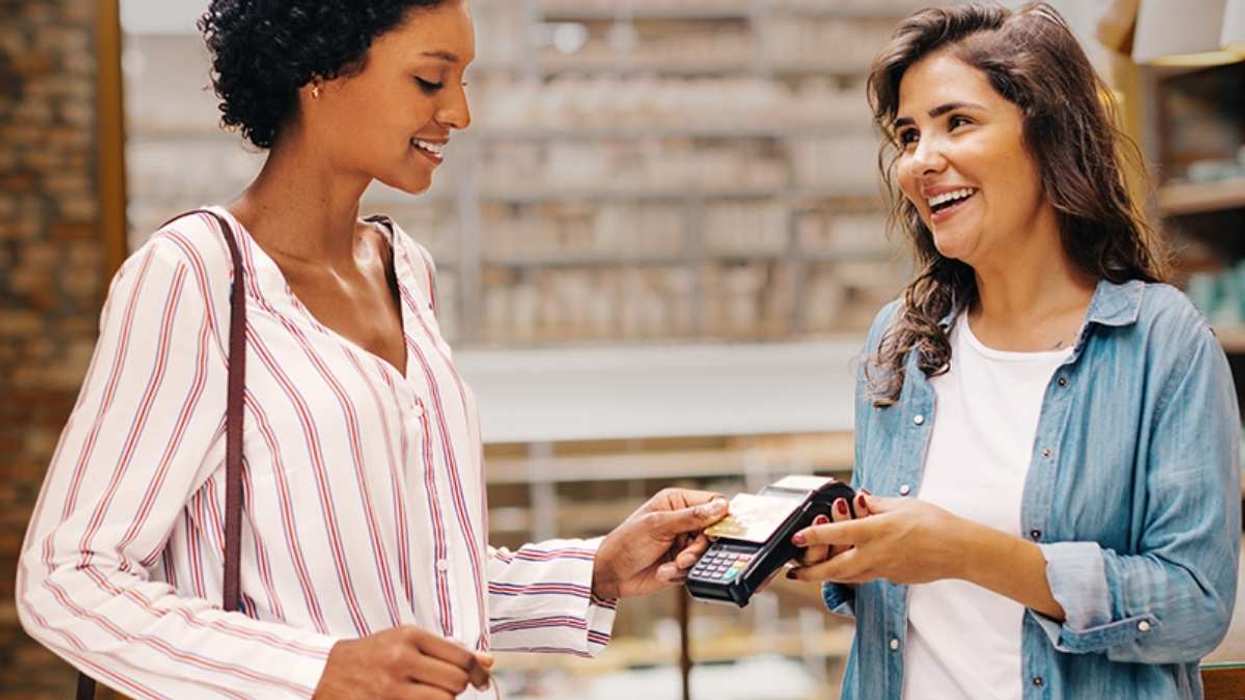
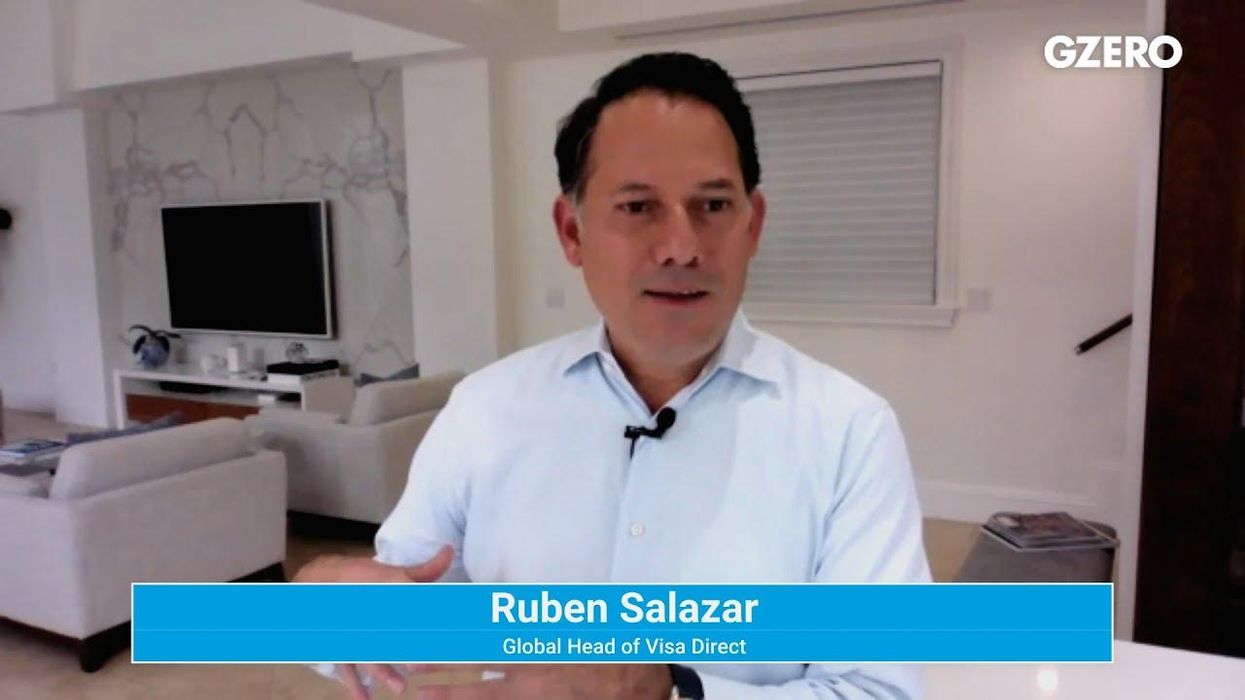
Sending remittances can be prohibitively expensive. How come? It costs a lot to manage cash in a secure way for unbanked people, Rubén Salazar, global head of Visa Direct, says during a livestream conversation on closing the global digital gap hosted by GZERO in partnership with Visa.

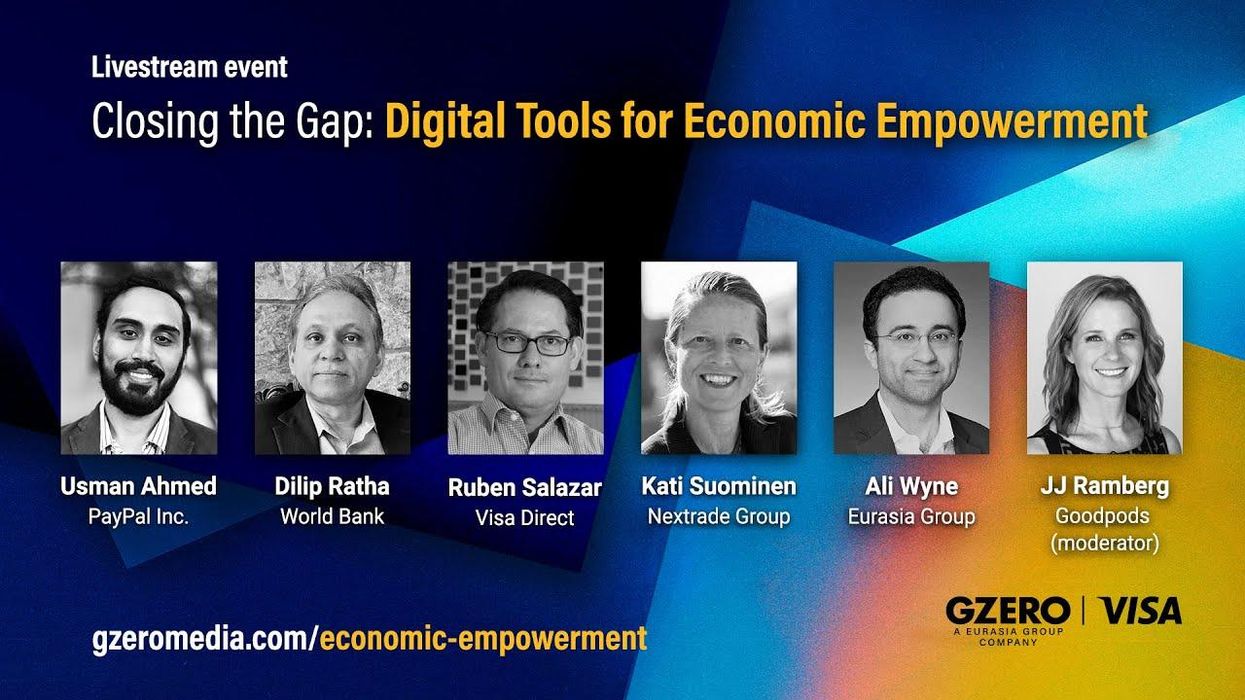
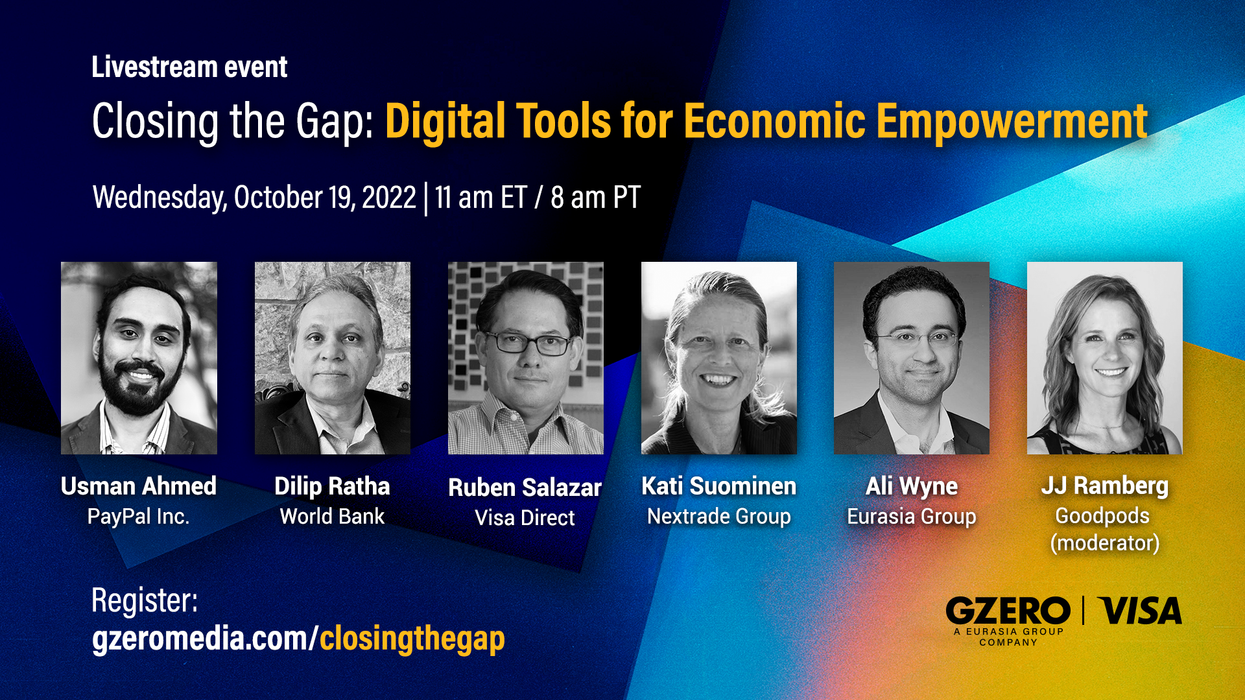
Closing the Gap: Digital Tools for Economic Empowerment Wednesday, October 19, 2022 | 11 am ET / 8 am PT
Closing the Gap

Watch live October 19: Can access to digital tools transform the world's economy?

Is digitization crucial to economic growth? GZERO Media is partnering with Visa to explore what it means when 70% of the global economy’s growth in the next decade is projected to come from digitally-enabled businesses – yet 3.7 billion people lack internet access. What are the tools and initiatives needed to bring more people into the digital economy? Live today, our expert panel will explore the impact of digitization on empowering consumers and small businesses. Watch here.

Will Nepal cash out?
Closing the Gap

Will Nepal cash out?

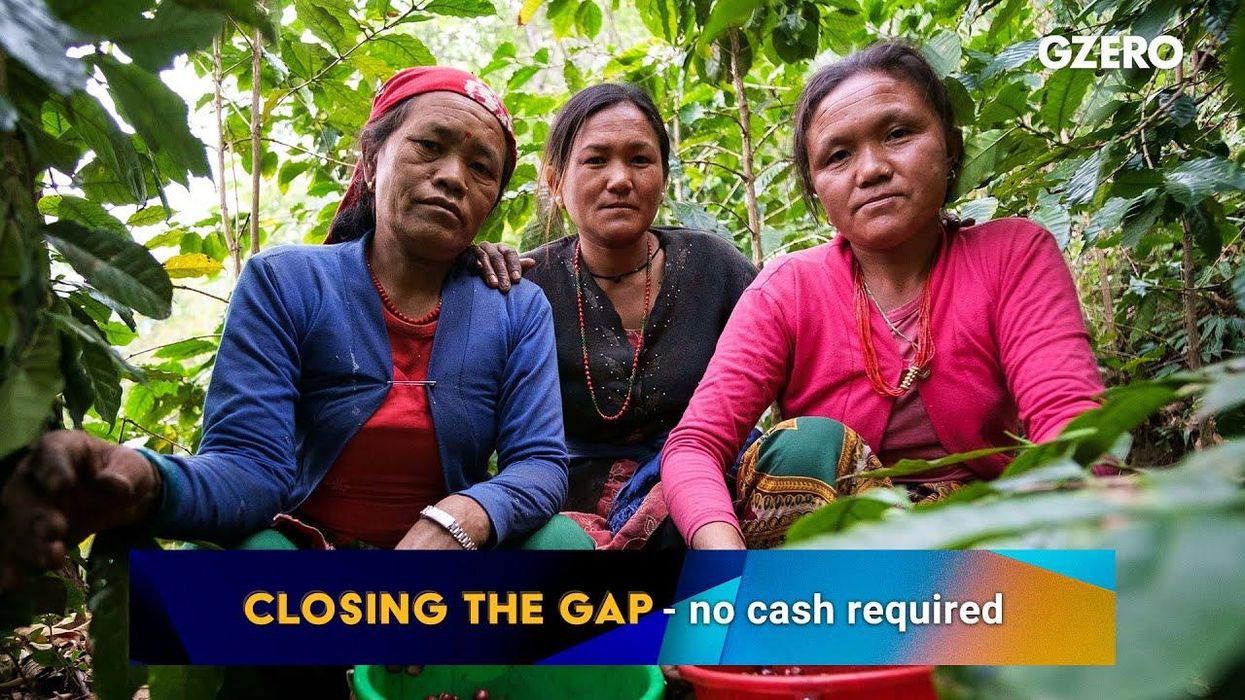
Like much of the world, Nepal saw digital payments soar during the pandemic. Tulsi Rauniyar, a young Nepalese documentary photographer, experienced the transition firsthand. With COVID making human touch a big concern, e-commerce and cashless transactions became more commonplace — so much so that Rauniyar herself rarely uses cash anymore. This technological globalization is increasingly helping female entrepreneurs and businesswomen succeed in Nepal. But it still needs to reach rural areas — where many hard-working women are unaware of these transformative technologies.

Critical lifeline: remittances and the developing world
Closing the Gap

Critical lifeline: remittances and the developing world

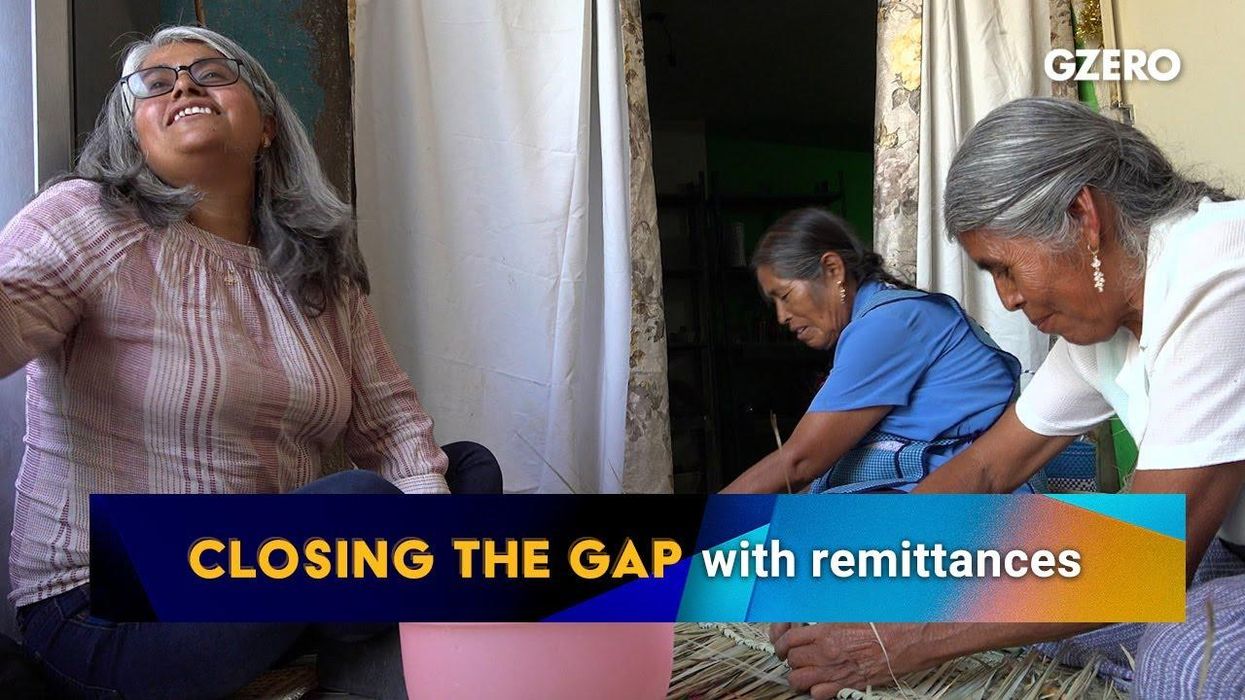
Watch: Remittances offer a vital lifeline to some 800 million people around the globe. In Mexico, the migrant advocacy group APOFAM helps pool resources to aid Mexicans. Whether a Mexico-based mother of two whose husband works in the US or a group of elderly artisans, APOFAM helps people flourish thanks to remittances.

Live on October 19, experts will discuss remittances and other tools for economic empowerment. Learn more and register here.