What We're Watching

Oddsmakers make Kamala Harris the favorite

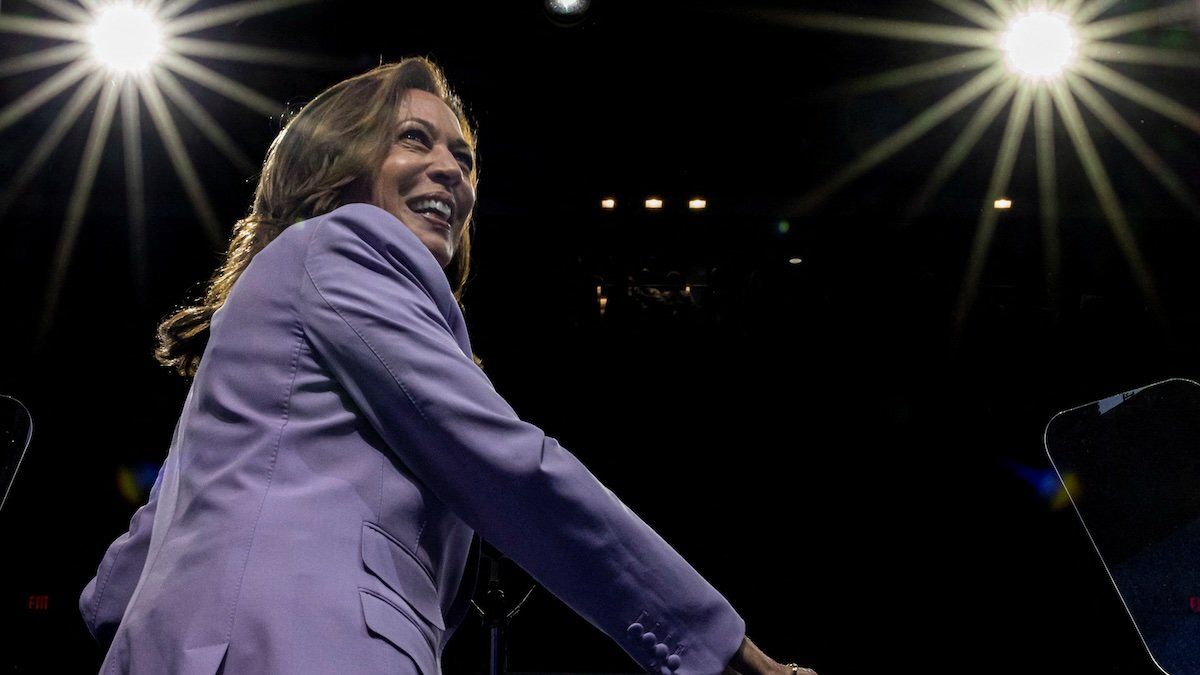
Democratic presidential candidate and U.S. Vice President Kamala Harris attends a campaign event at UNLV (University of Nevada, Las Vegas) campus, in Las Vegas, Nevada, U.S., August 10, 2024.
REUTERS/Kevin Mohatt

Last week, we posed the question: “Is Kamala Harris now the favorite?” Our answer was she probably needs to show sustained leads of two to three points nationally and to build leads outside the margin of error in key swing states like Pennsylvania or Georgia. Eurasia Group, our parent company, still lists Donald Trump as the slight favorite to win in November.

Major international bookmakers disagree. Oddsmakers Bet 365, Betfair Exchange, Bovada, Bet Online, and Oddschecker all have Harris ahead. Two of these services have her at -125, which means you’d have to wager $125 to make a $100 profit. The other three services have the odds closer.

Now for the caveats.

First, oddsmakers aren’t predicting the outcome of the election; they’re predicting how bettors will bet. With all the positive press Harris is getting, it’s no wonder betting markets have made her the favorite.

Second, Harris hasn’t yet offered many specifics on what she’d do as president. Excitement over the abrupt presidential election plot twist has boosted her appeal. The upcoming Democratic National Convention may boost it further. But at some point, Harris will have to offer at least a sketch of her policy plans.

Third, campaign expectations have already been upended once by a debate. That could happen again when Harris and Trump square off.

Finally, consider this: The betting market favoritehas only lost two presidential elections since 1868, according to The Conversation, a nonprofit news organization. But one of those two losses came in 2016, when Trump confounded experts to beat Hillary Clinton.
More For You

Last week, Microsoft shared a five‑point set of commitments to guide its Community‑First approach to building AI and cloud infrastructure in Canada. As the company moves from investment to implementation, these commitments reflect what communities across the country say matters most: affordable and reliable energy systems, sustainable water use, good jobs, strong public services, and access to the skills needed to succeed in an AI‑driven economy. The Community‑First framework establishes a model for responsible infrastructure development—one that prioritizes affordability and sustainability while supporting long‑term economic opportunity. As demand for AI infrastructure accelerates, these commitments underscore a core principle: meaningful technological progress depends on growing in true partnership with the communities where this infrastructure is built. Read the full blog here.

Cargo ships in the Gulf, near the Strait of Hormuz, as seen from northern Ras al-Khaimah, near the border with Oman’s Musandam governance, amid the U.S.-Israeli conflict with Iran, in the United Arab Emirates, on March 11, 2026.
REUTERS/Stringer

One day after US President Donald Trump announced that he had started a blockade of ships coming in and out of Iranian ports via the Strait of Hormuz, Tehran is already testing those US commitments.