What We're Watching
Ukraine accuses Russia of recruiting Chinese fighters
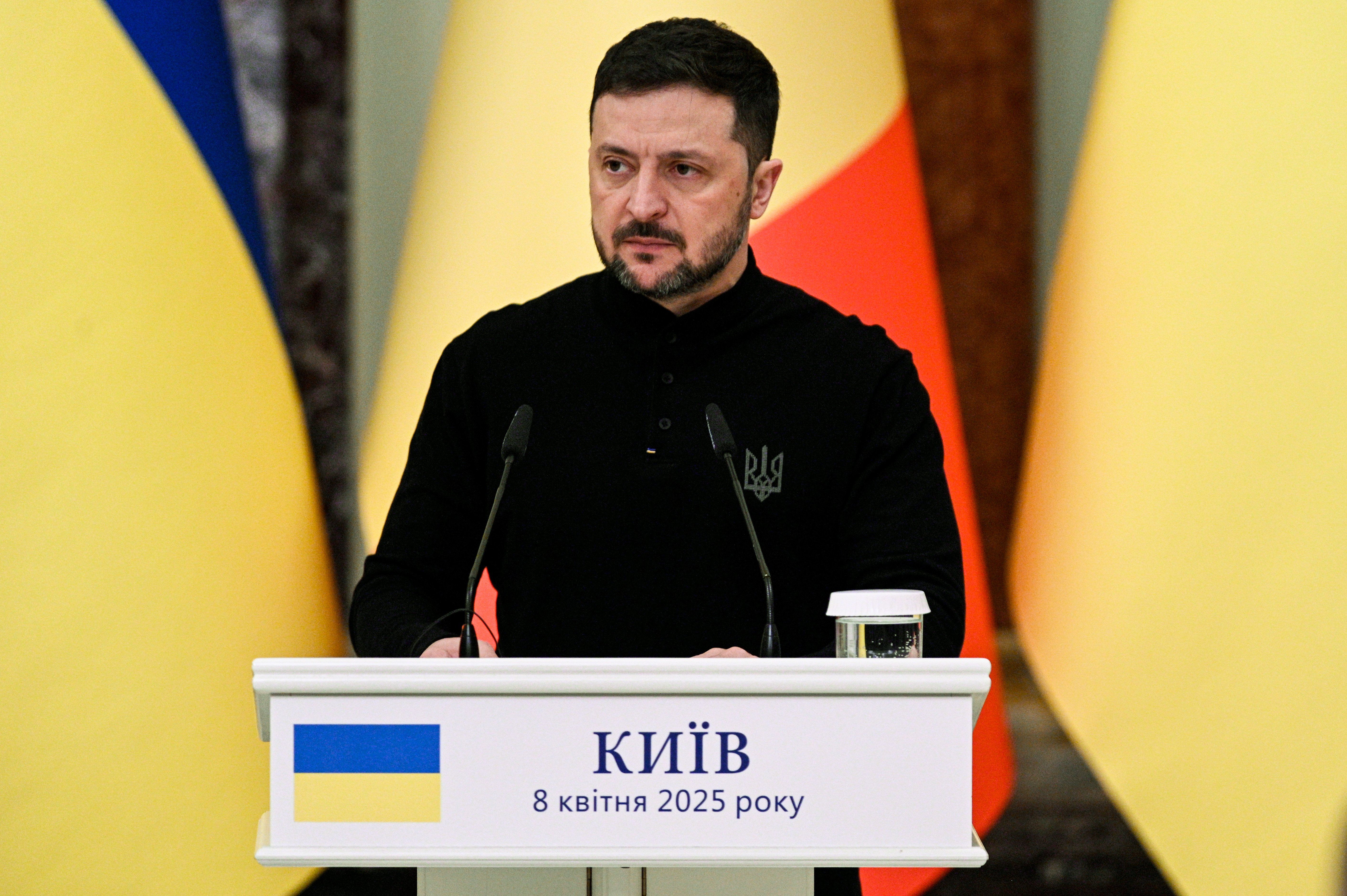
Ukrainian President Volodymyr Zelenskyy at a news conference in Kyiv, Ukraine, on April 8, 2025.
Danylo Antoniuk/Ukrinform/NurPhoto
Ukrainian president Volodymyr Zelensky saysat least 155 Chinese citizens are fighting for Russia in Ukraine and there are probably “many more.”
China’s foreign ministry responded that the country “has always required its citizens to … avoid being involved in armed conflicts in any form.”
Zelensky isn’t claiming the Chinese government sent these troops. Rather, he says the Kremlin is recruiting Chinese mercenaries on social media in what he described on X as “yet another indication that Moscow simply needs to drag out the fighting.”
China on the spot. Even if the Chinese fighters have no official ties, their presence throws a fresh light on what, exactly, Beijing’s role is in the war. China doesn’t recognize Moscow’s claims on Ukraine, but the US has long accused it of helping Russia with weapons and “dual-use” technologies like computer chips and drones. Beijing also continues to buy Russian oil.
Tens of thousands still remain missing after the RSF’s siege of El Fasher. The RSF also remains in control of the city, and the civil war continues to drag on with seemingly no end in sight.
With Israel and the US heading to the polls, could elections change the course of the Middle East’s conflicts? Brett McGurk joins Ian Bremmer to discuss the Iran war, escalating Houthi attacks, and whether Washington has a strategy to contain the turmoil.
Can Washington turn military pressure into a diplomatic strategy? Brett McGurk joins Ian Bremmer on the GZERO World podcast to discuss the Iran war, Houthi attacks, and how elections in Israel and the US could reshape the region.
Could replacing Benjamin Netanyahu change Israel’s direction? Brett McGurk explains why a government led by Gadi Eisenkot would likely maintain Israel’s security doctrine while taking a different approach to the West Bank.