Student protests bring France to a halt
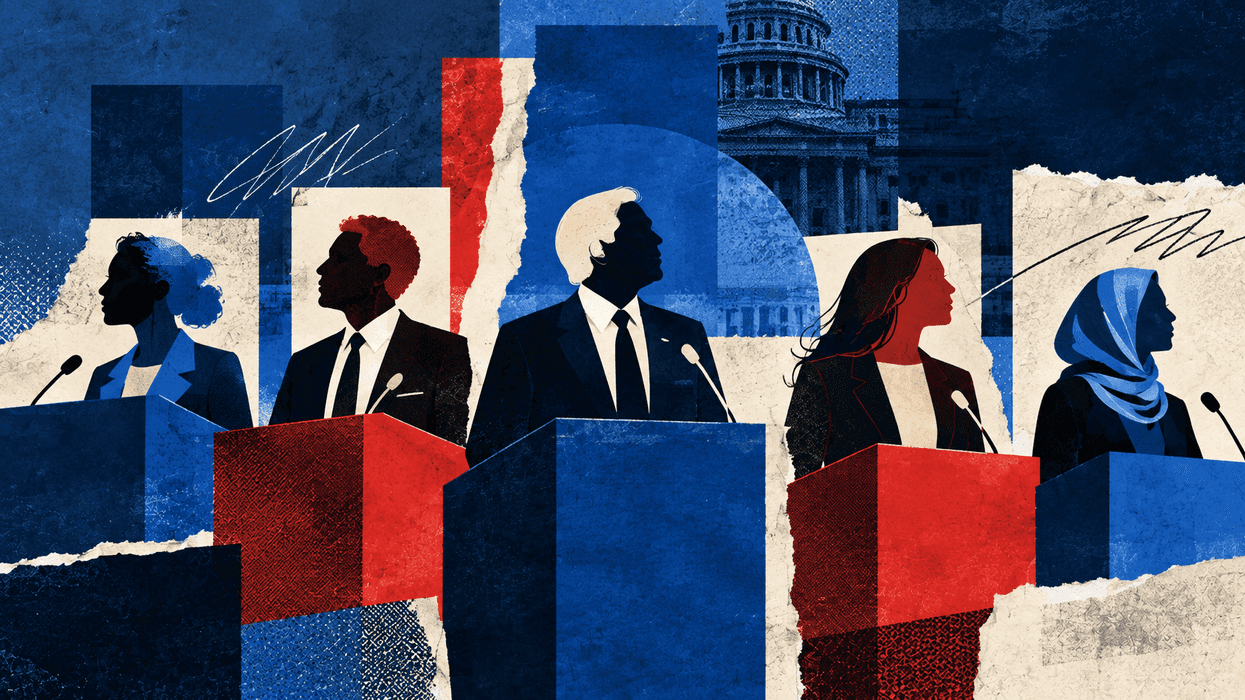
Student protests in France continue to grow this week, with more than 250,000 students taking to the streets across 40 cities. More than 6,500 people have been arrested as demonstrations have intensified. Students are protesting what they say is chronic underfunding and crumbling infrastructure in France’s public schools and are demanding greater government investment in the education system. The unrest is also becoming a major political issue months ahead of France’s 2027 presidential election, with candidates seizing on the protests to stake out their positions. Far-left candidate Jean-Luc Mélenchon has encouraged supporters to join students in the streets. Far-right candidate and current frontrunner Marine Le Pen, meanwhile, has taken the opposite approach and accused the left of fueling student anger and encouraging violence, which Mélenchon denies. As protests continue to spread, the fight over schools is intensifying France’s already deep political polarization ahead of its presidential elections this spring.
Can Africa risk be priced more fairly?
We’re about to find out. The African Union, the region’s largest grouping, launched a new ratings agency on Wednesday to grade the creditworthiness of African governments and companies. The ratings industry, which influences the interest rates that lenders charge borrowers, is currently dominated by three US firms — Moody’s, S&P, and Fitch. Critics say biases and insufficient expertise have caused those “big three” to be unfairly harsh in their ratings of African sovereign and corporate borrowers. Only three African countries are currently “investment grade”: Botswana, Mauritius, and Morocco. A 2023 UN report found that unfair evaluations had cost African governments $24 billion in extra interest payments and nearly $50 billion in unmade loans. The new agency will have to convince capital markets that its methodology is sound and that it can avoid capture by local governments. As of its launch, little is known about its executive leadership or board structure.
Former German spy chief accused of treason
Germany’s former intelligence chief August Hanning was arrested on Tuesday on suspicion of obtaining and sharing state secrets in one of the country’s biggest national security scandals since the Cold War. Hanning led Germany’s BND foreign intelligence agency from 1998 to 2005 and has since worked as a private consultant. Police accused him of paying a former colleague for classified documents after he left BND and used them to supply information to a foreign power. Among those documents were classified materials related to Iran’s nuclear program and allied intelligence from other countries. Federal prosecutors haven’t shared which countries were involved, but the German news site Der Spiegel is reporting a possible connection to Azerbaijan. The scandal risks jeopardizing Germany’s relationship with intelligence allies, including the US and the EU.