The rapid rise of AI has presented a wide array of challenges, particularly in terms of finding a balance between protecting the right to free expression and safeguarding democracy from the corrosive effects of misinformation.
But Microsoft Vice Chair and President Brad Smith says freedom of expression does not apply to deepfakes — fake images or videos created via AI, which can involve using someone else’s face and/or voice without their permission. During a Global Stage panel on AI and elections at the Munich Security Conference, Smith unequivocally decried deepfakes as a form of “fraud.”
“The right to free expression gives me the right to stand up and say what is on my mind,” says Smith, adding, “I do not have the right to steal and use your voice. Your voice belongs to you and you alone… Let's give people the right to say what they think. Let's not steal their voice and put words in their mouth.”
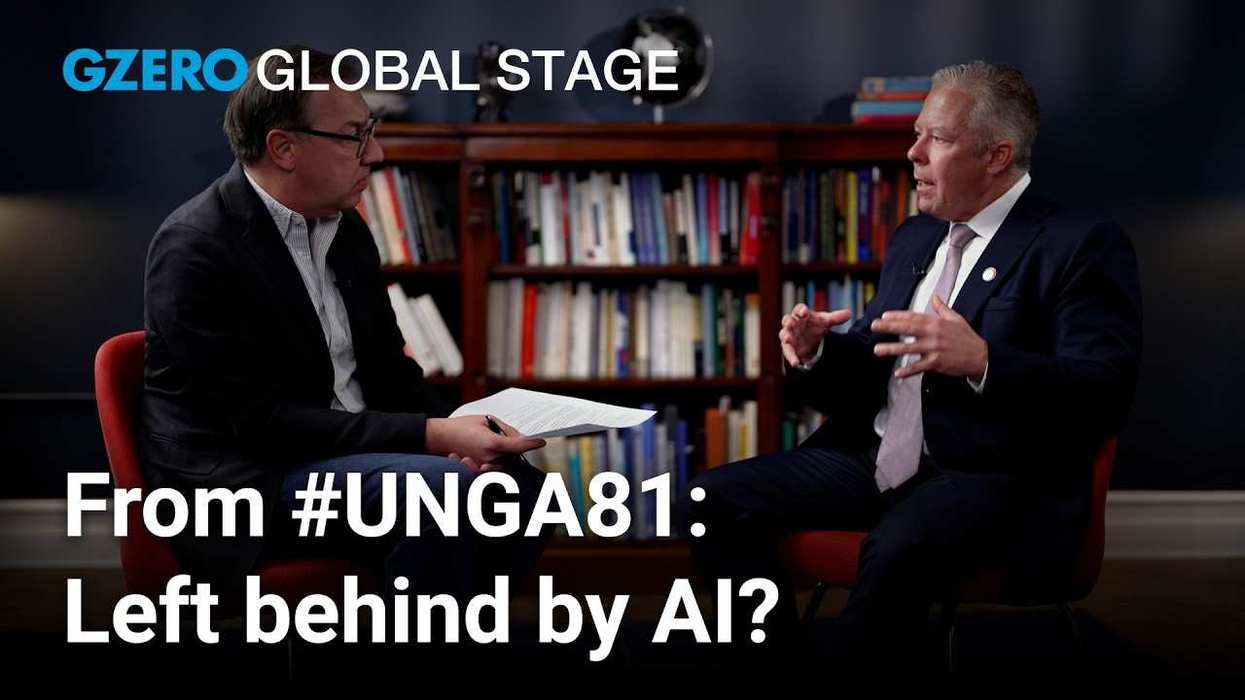
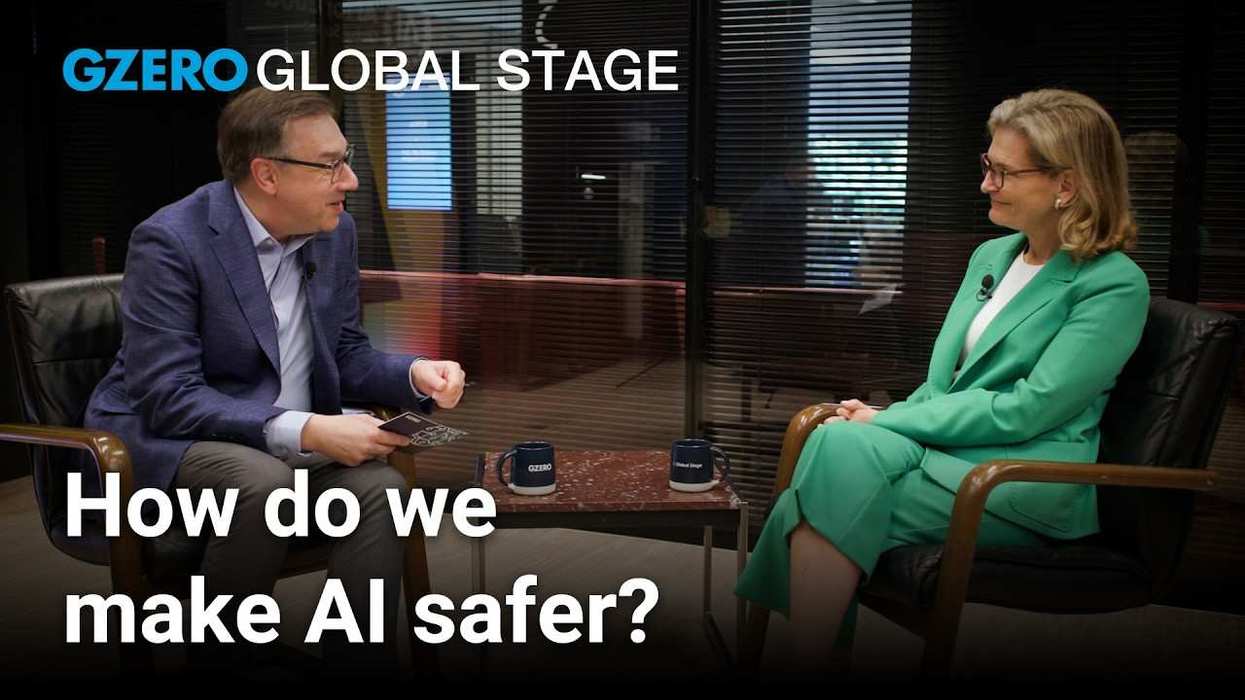
The conversation was part of the Global Stage series, produced by GZERO in partnership with Microsoft. These discussions convene heads of state, business leaders, technology experts from around the world for critical debate about the geopolitical and technology trends shaping our world.
Watch the full conversation here: How to protect elections in the age of AI
- Will comedy deepfakes generate laughs or lawsuits? ›
- How AI and deepfakes are being used for malicious reasons ›
- Deepfake porn targets high schoolers ›
- Deepfake it till you make it ›
- Will Taylor Swift's AI deepfake problems prompt Congress to act ... ›
- Deepfakes and dissent: How AI makes the opposition more dangerous - GZERO Media ›
- AI vs. truth: Battling deepfakes amid 2024 elections - GZERO Media ›
- Tech accord on AI & elections will help manage the ‘new reality,’ says Microsoft’s Brad Smith - GZERO Media ›