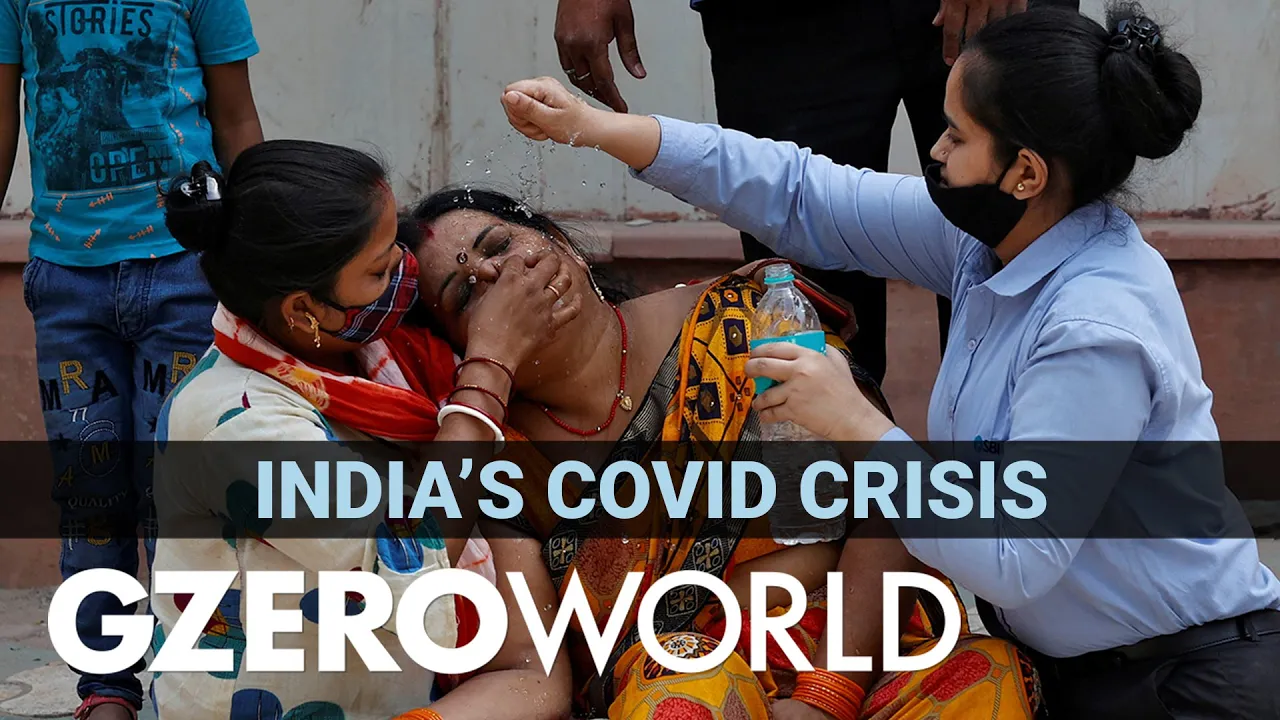
India's latest COVID explosion hits home as one Delhi-based journalist speaks with Ian Bremmer on GZERO World about her own father's death from the virus. Barkha Dutt has been reporting on the pandemic in India since it began, but nothing could prepare her for the catastrophic second wave that has hit her country in the last few weeks—and that has now shattered her own family. Would her father have survived if the oxygen tank in his ambulance had been working, or if the ambulance hadn't gotten stuck in Delhi traffic? She asks similar questions of her national government. Why was it caught so unprepared by this second wave, well over a year into the pandemic? Why has India, the largest vaccine manufacturer in the world, been so slow to vaccinate its own citizens? And how much of the blame falls at the feet of Prime Minister Narendra Modi?
Hosted by Ian Bremmer, GZERO World is an award-winning, nationally syndicated PBS television program featuring the most influential leaders and thinkers in the world.
Presented by
More From GZERO World with Ian Bremmer

The high stakes of the global AI race

Europe under threat from Russia
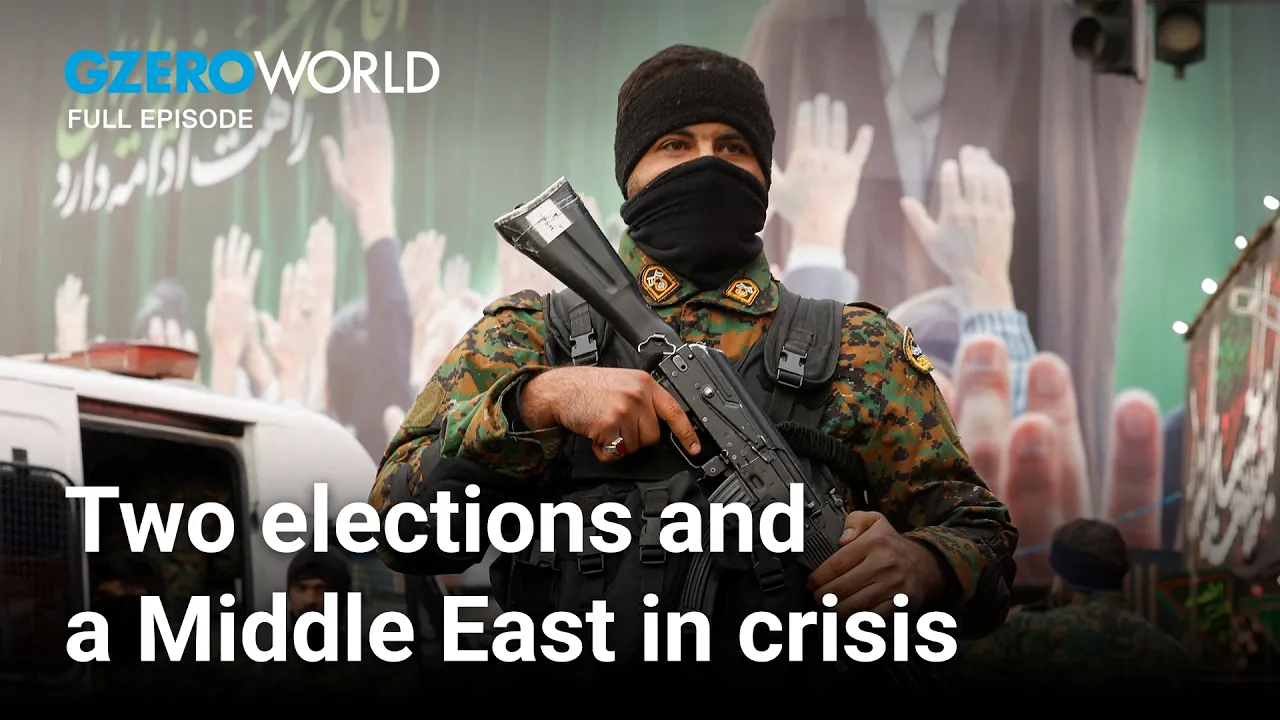
Could US & Israeli elections reshape the Middle East?

Midterms 2026: Is a blue wave coming?

How October 7 changed the Middle East, three years on
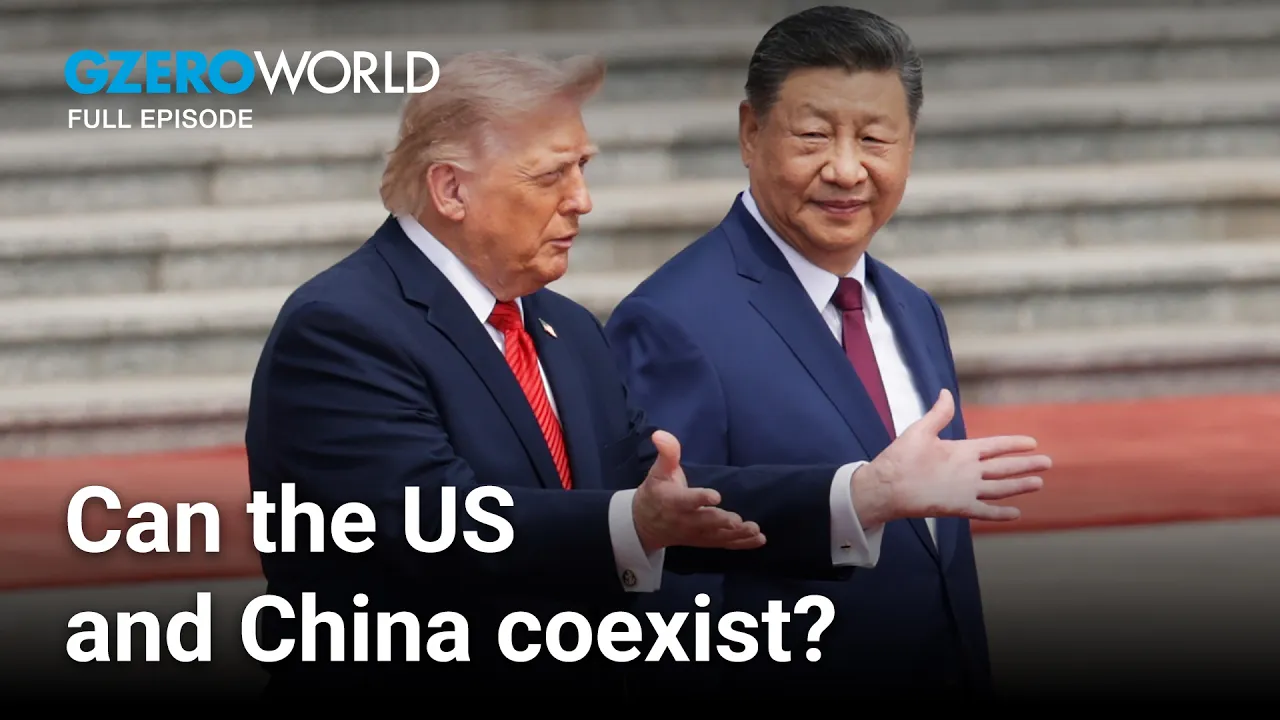
The high-stakes US-China race

UN Chief António Guterres on global power, AI, and a world in crisis
How AI could make the next global catastrophe easier
About the Show
Every week on GZERO World with Ian Bremmer, Ian explains the key global stories of the moment, sits down for an in-depth conversation with the newsmakers and thought leaders shaping our world.
Watch GZERO World on US public television and on GZERO's YouTube channel. GZERO WORLD with Ian Bremmer is a local public television program presented by THIRTEEN PBS.
Funding for GZERO World is provided by:
Powering what's next
Energy used to be a predictable cost. Now it's a constraint on growth, and businesses are rethinking how they plan and build. GZERO Media's Tony Maciulis sat down with Susan Uthayakumar, Chief Energy and Sustainability Officer at Prologis, to discuss how rising power demand from automation, AI and fleet electrification is changing where and how companies build. Together, they examine the role real estate plays in energy infrastructure, what effective public-private partnerships look like, and how on-site power generation can support communities in crisis.