Skip to content
Search

Latest Stories

Analysis

Small Country, Big Story: How Rwanda’s trying to woo Washington

​Street vendors stand on a pirogue with goods to be sold at Kituku market, on the bank of Lake Kivu, in Goma, which is controlled by M23 rebels, in North Kivu province of the Democratic Republic of Congo March 21, 2025.

Street vendors stand on a pirogue with goods to be sold at Kituku market, on the bank of Lake Kivu, in Goma, which is controlled by M23 rebels, in North Kivu province of the Democratic Republic of Congo March 21, 2025.

REUTERS/Zohra Bensemra
Make us preferred on Google

As Western nations adopt increasingly hardline stances on migration, Rwanda has positioned itself to capitalize on these concerns by offering to accept deportees in exchange for payment.

In 2022, then-UK Prime Minister Boris Johnson struck a $385 million deal with Rwanda to house and process thousands of asylum-seekers. The controversial plan ultimately cost British taxpayers an estimated $949 million before it was scrapped in 2024 by Prime Minister Keir Starmer, following two years of legal challenges and widespread criticism over Rwanda’s status as an unsafe destination for migrants. The UK received no refund.


Now, with the Trump administration intensifying its crackdown on migration, Rwanda is exploring a similar arrangement with the United States. The potential deal comes as the White House faces mounting scrutiny for a series of hardline measures, including the high-profile deportation of 238 immigrants to a maximum-security prison in El Salvador, proposals to reopen Alcatraz and Guantanamo Bay as detention sites, and even offering migrants $1,000 to voluntarily leave the country.

But for Rwanda, there’s more to gain than just money. These talks are unfolding as the US increasingly takes on the role of power broker in the simmering conflict between Rwanda and its neighbor, the Democratic Republic of Congo. Over the past year, Rwanda has backed the M23 rebel group, helping it seize control of vast territories in the DRC’s mineral-rich eastern provinces — home to an estimated $20 trillion in untapped natural resources.

The United Nations has labeled M23 a proxy force for Rwanda, accusing the group of being led by Rwandan officers and armed by the Rwandan military. President Paul Kagame has repeatedly denied any support for M23. Yet, according to numerous intelligence analysts, diplomats, researchers, and humanitarian workers, the presence of thousands of Rwandan troops in Goma and elsewhere in eastern Congo leaves little doubt about Rwanda’s role.

M23’s gains have included the capture of key mining hubs, giving the group control over significant reserves of gold, cobalt, and coltan – a mineral critical to the production of smartphones, medical devices, and explosives.

The US is now weighing a critical minerals agreement with the DRC, under which American companies would gain access to Congolese mines in exchange for helping secure the region against rebel forces. Washington has a strong incentive to expand its footprint in the DRC to counter China’s growing dominance: Chinese firms already hold a major share of mining contracts in the country, and the DRC produces roughly 70% of the world’s cobalt – a vital component of electric vehicle batteries. The world’s largest cobalt mine, located in DRC, is operated by a Chinese company.

As the US and other international actors broker peace talks between M23 and Rwanda, both sides are maneuvering for leverage. While the DRC courts American support by offering access to critical minerals, Rwanda may be betting that a migration deal with Washington could bolster its standing in the region.

More For You

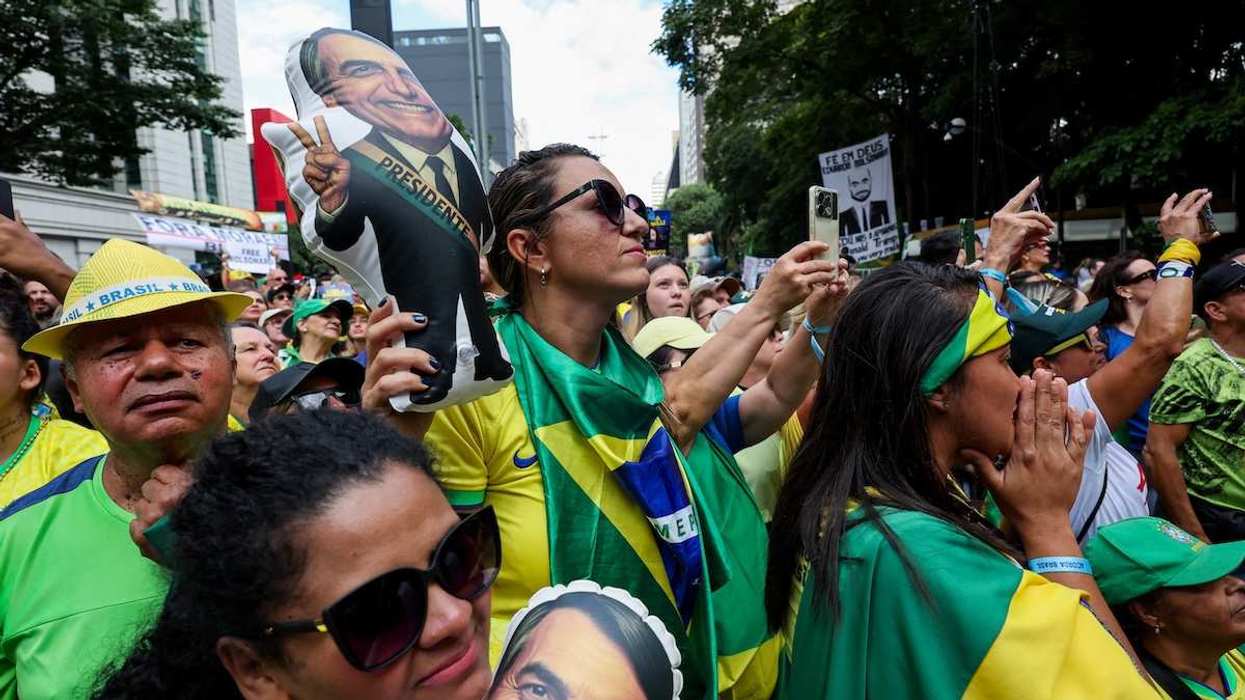
A person holds a depiction of former Brazilian President Jair Bolsonaro, as people gather on the day of a campaign rally of a pre-candidate of the right-wing Brazil's senator Flavio Bolsonaro, ahead of the presidential elections, in Sao Paulo, Brazil.

A person holds a depiction of former Brazilian President Jair Bolsonaro, as people gather on the day of a campaign rally of a pre-candidate of the right-wing Brazil's senator Flavio Bolsonaro, ahead of the presidential elections, in Sao Paulo, Brazil, March 1, 2026.

REUTERS/Jorge Silva
Brazilians head to the polls on Sunday to take the first step in deciding the future of Latin America’s largest economy, and potentially the political direction of the entire continent.The field is crowded, but two major players stand out: left-wing president Luiz Inácio Lula da Silva seeking a fourth nonconsecutive term, and right-wing Senator [...]
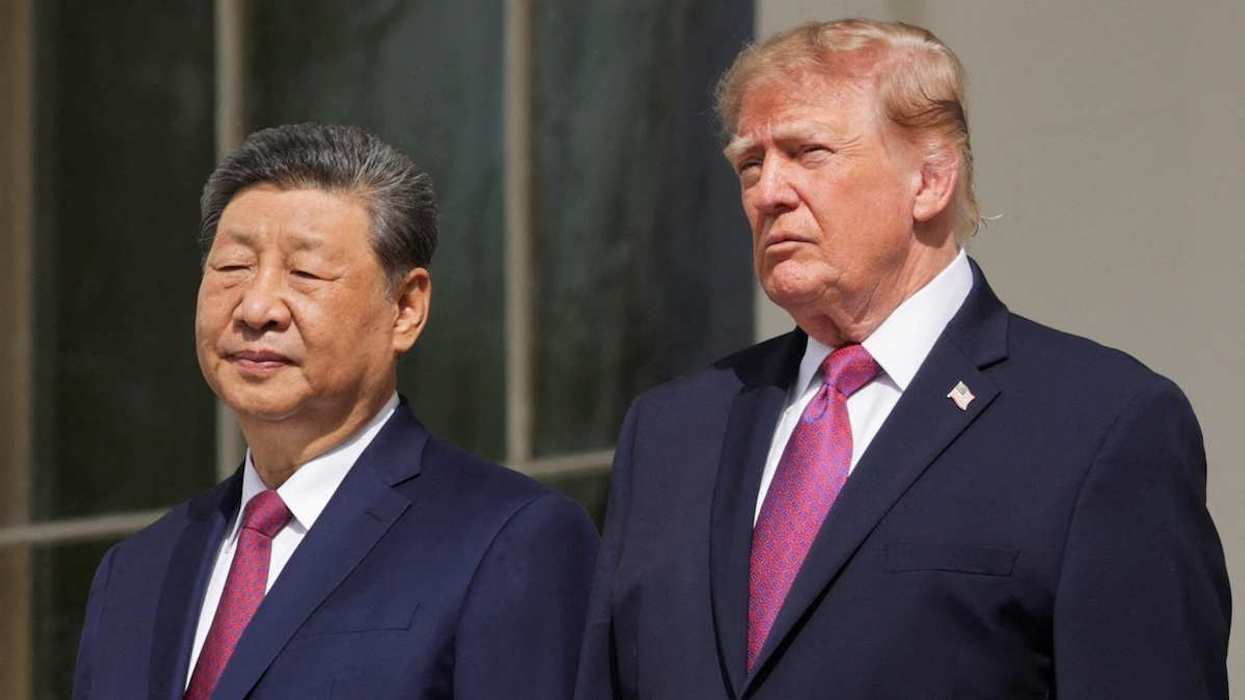
US President Donald Trump and Chinese President Xi Jinping watch a military demonstration from a balcony of the White House in Washington, D.C.

US President Donald Trump and Chinese President Xi Jinping watch a military demonstration from a balcony of the White House in Washington, D.C., US, September 24, 2026.

REUTERS/Jonathan Ernst
Just three years ago, people around the world viewed the US more favorably than China. That is no longer the case. According to data published by the Pew Research Center this summer, China now receives more favorable ratings in most of the 36 countries surveyed.It’s a dramatic change from just a year ago, when 49% of those surveyed had a favorable [...]
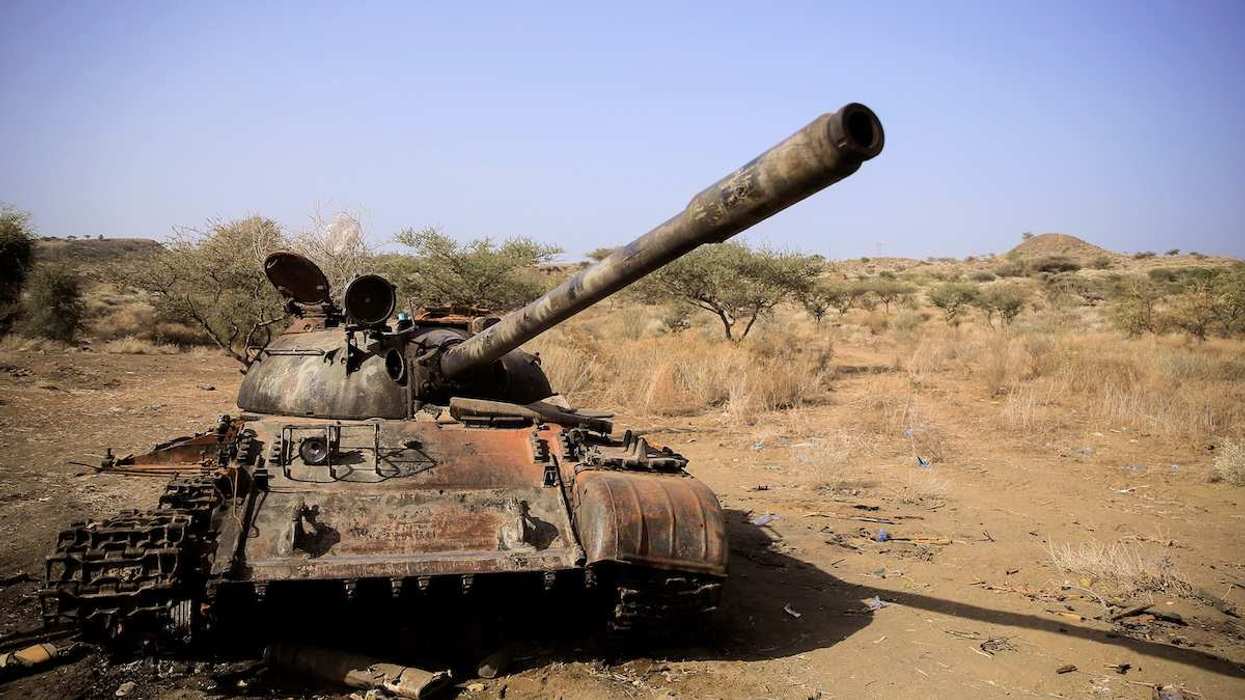
A destroyed tank is seen in a field in the aftermath of fighting between the Ethiopian National Defence Force (ENDF) and the Tigray People's Liberation Front (TPLF) forces in Kasagita town, in Afar region, Ethiopia.

A destroyed tank is seen in a field in the aftermath of fighting between the Ethiopian National Defence Force (ENDF) and the Tigray People's Liberation Front (TPLF) forces in Kasagita town, in Afar region, Ethiopia, February 25, 2022.

REUTERS/Tiksa Negeri
Four years ago, a peace agreement ended one of the deadliest conflicts of this century, the Tigray War in northern Ethiopia. Fighting between the Ethiopian federal government and the Tigray People’s Liberation Front (TPLF), a political party and armed rebel movement controlling the northern Tigray region, claimed 600,000 lives and displaced over 5 [...]
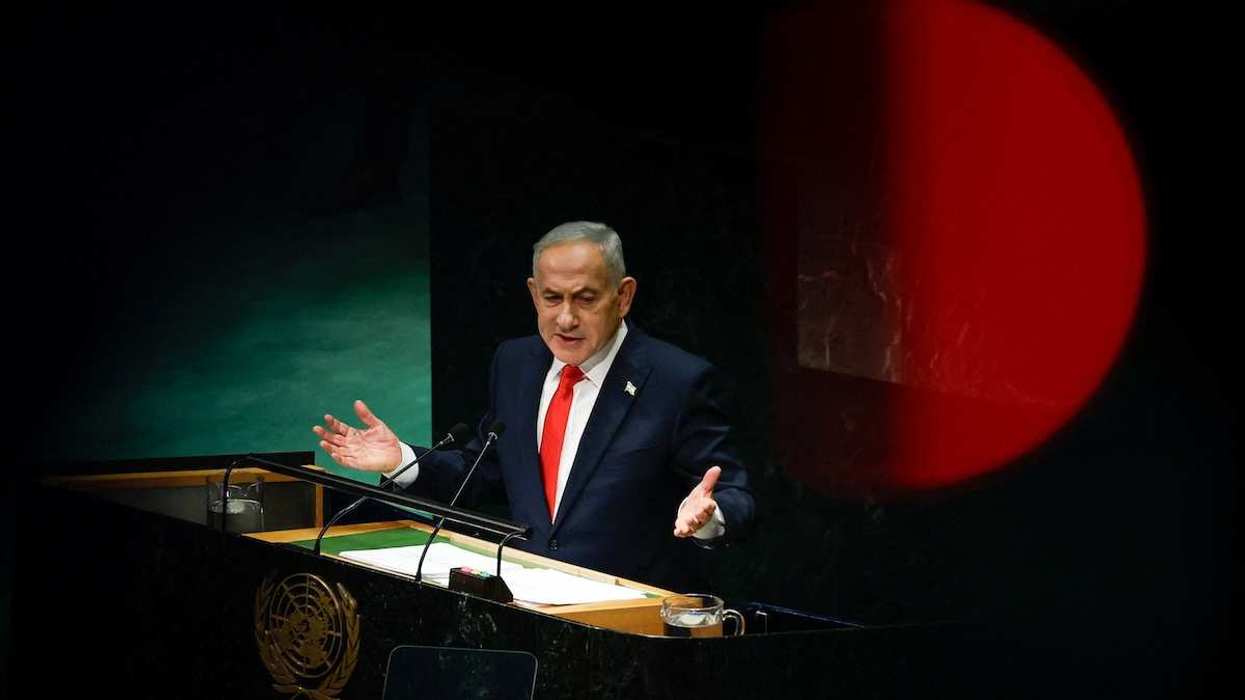
Israel's Prime Minister Benjamin Netanyahu addresses the 81st United Nations General Assembly (UNGA) at UN headquarters in New York City.

Israel's Prime Minister Benjamin Netanyahu addresses the 81st United Nations General Assembly (UNGA) at UN headquarters in New York City, US, September 24, 2026.

REUTERS/EDUARDO MUNOZ
As Israeli Prime Minister Benjamin Netanyahu took the stage at the UN General Assembly yesterday, more than half of the delegates in the room stood up and walked out. In fact, some entered the assembly hall minutes beforehand only to walk out when Netanyahu began speaking.After the walkout, he proclaimed, “If there are any other moral cowards who [...]