Site Navigation
Latest Stories
Sign up for GZERO Daily.
Global Stage LIVE from United Nations WATCH REPLAY
GZERO World Clips
Highlights from the GZERO World with Ian Bremmer weekly television show.
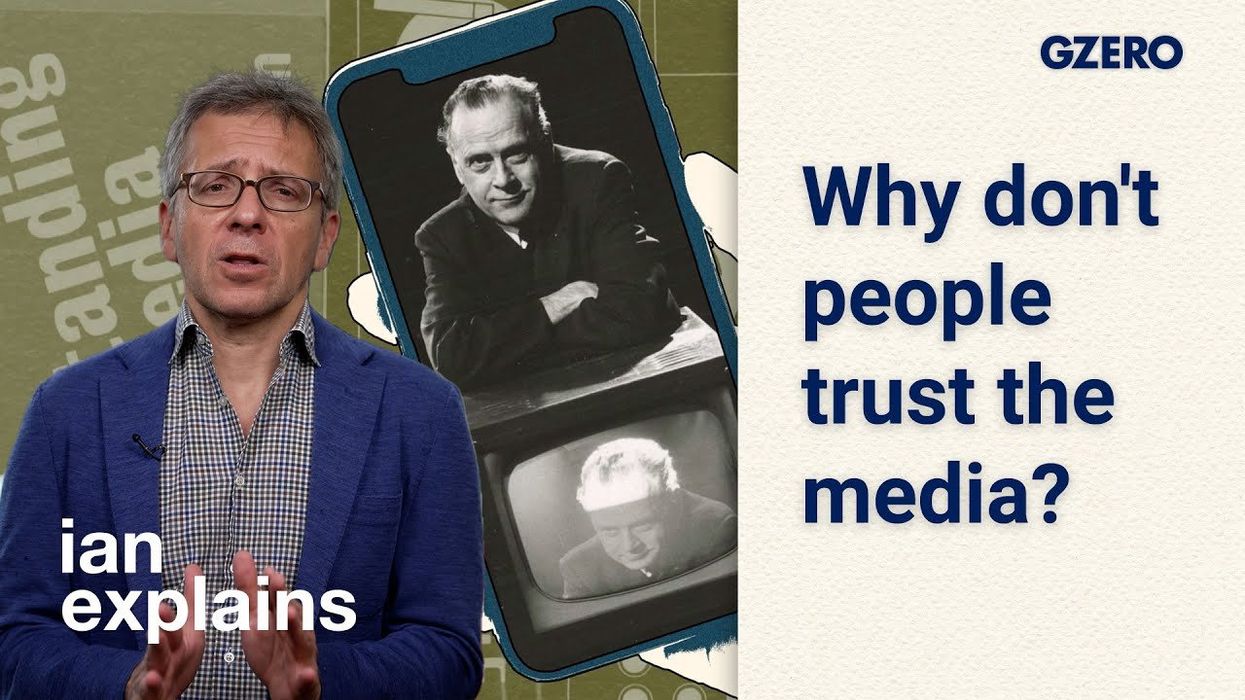
It’s getting harder and harder to tell fact from fiction. Trust in media is at an all-time low. At the same time, partisanship is skyrocketing, and generative AI is challenging the very idea of truth.
This week on Ian Explains, Ian Bremmer breaks down how the media landscape has changed since the early days of live TV and why the 2024 US presidential election will be a major test of our ability to detect and prevent misinformation from spreading online.
Cable news has come a long way from the 1960 presidential debate between John F. Kennedy and Richard Nixon, where Nixon famously showed up sweaty and pale, while John F. Kennedy showed up tanned and camera-ready. People who listened on the radio thought Nixon won the debate. But on TV, the advantage went to Kennedy and the polls quickly turned in his favor. It was the first-ever live TV debate and forever changed how media and politics interact with each other.
In the 60-plus years since, it’s only gotten harder to separate the message from the medium. A 24/7 cable cycle has turned the idea of news into mass entertainment. And hyper-partisan talk radio shows, thousands of political podcasts, and social media’s endless doom-scroll have created a perfect incubator for information––and disinformation––overload.
2024 will be the first US presidential election in the age of generative AI. The risk of spreading false or misleading information to voters is enormous. Despite calls from industry watchdogs and tech experts, US lawmakers have yet to pass any real guardrails for AI technology. And given the rapid pace of development, by the time the election rolls around next year, it will be even harder to tell an AI-generated video or image from the real thing.
Whether regulators and lawmakers can come up with an effective way to identify and combat AI misinformation is anyone’s guess, but one thing is clear: the stakes are incredibly high. And the future of US democracy may depend on it.
Watch Ian Explains for the full breakdown, and for more on the US, watch GZERO World with Ian Bremmer on US public television and at gzeromedia.com/gzeroworld.
More from GZERO World Clips
About the Show
Every week on GZERO World with Ian Bremmer, Ian explains the key global stories of the moment, sits down for an in-depth conversation with the newsmakers and thought leaders shaping our world.
Watch GZERO World on US public television and on GZERO's YouTube channel. GZERO WORLD with Ian Bremmer is a local public television program presented by THIRTEEN PBS.
Funding for GZERO World is provided by:



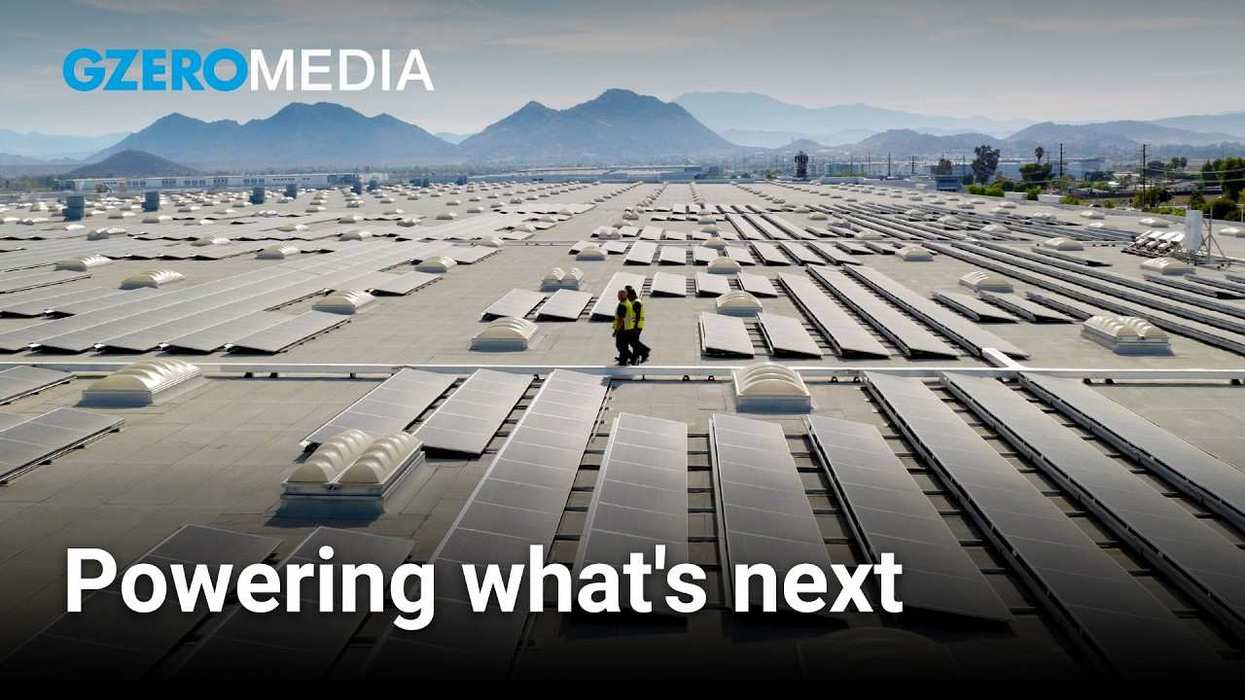
Powering what's next
Energy used to be a predictable cost. Now it's a constraint on growth, and businesses are rethinking how they plan and build.
GZERO Media’s Tony Maciulis sat down with Susan Uthayakumar, Chief Energy and Sustainability Officer at Prologis, to discuss how rising power demand from automation, AI and fleet electrification is changing where and how companies build. Together, they examine the role real estate plays in energy infrastructure, what effective public-private partnerships look like, and how on-site power generation can support communities in crisis.
GZERO Series
Puppet Regime
Quick Take

ask ian
Ian Explains
GZERO Reports
GZERO Europe
The Debrief
Global Stage

GZERO Daily: our free newsletter about global politics
Keep up with what’s going on around the world - and why it matters.