
Yesterday, we talked about why, among all the external powers involved in Syria, Turkey is probably the biggest immediate winner from the fall of Bashar Assad.
Now, we turn to the main losers. There are two, and they are big: Russia and Iran.
Both countries were huge backers of the Assad regime for decades, seeing Syria as the centerpiece of their Middle East policies. That’s why Tehran and Moscow intervened so heavily to support Assad around 2015 when his regime was on its back foot in Syria’s raging civil war.
But last week, as HTS-led militants met little resistance from Syrian government forces on the road to Damascus, both Russia and Iran decided to pull the plug. Now both are, for the time being, largely out of the picture in Syria.
Here’s what each country faces with the end of Assad.
Russia: military installations and clout
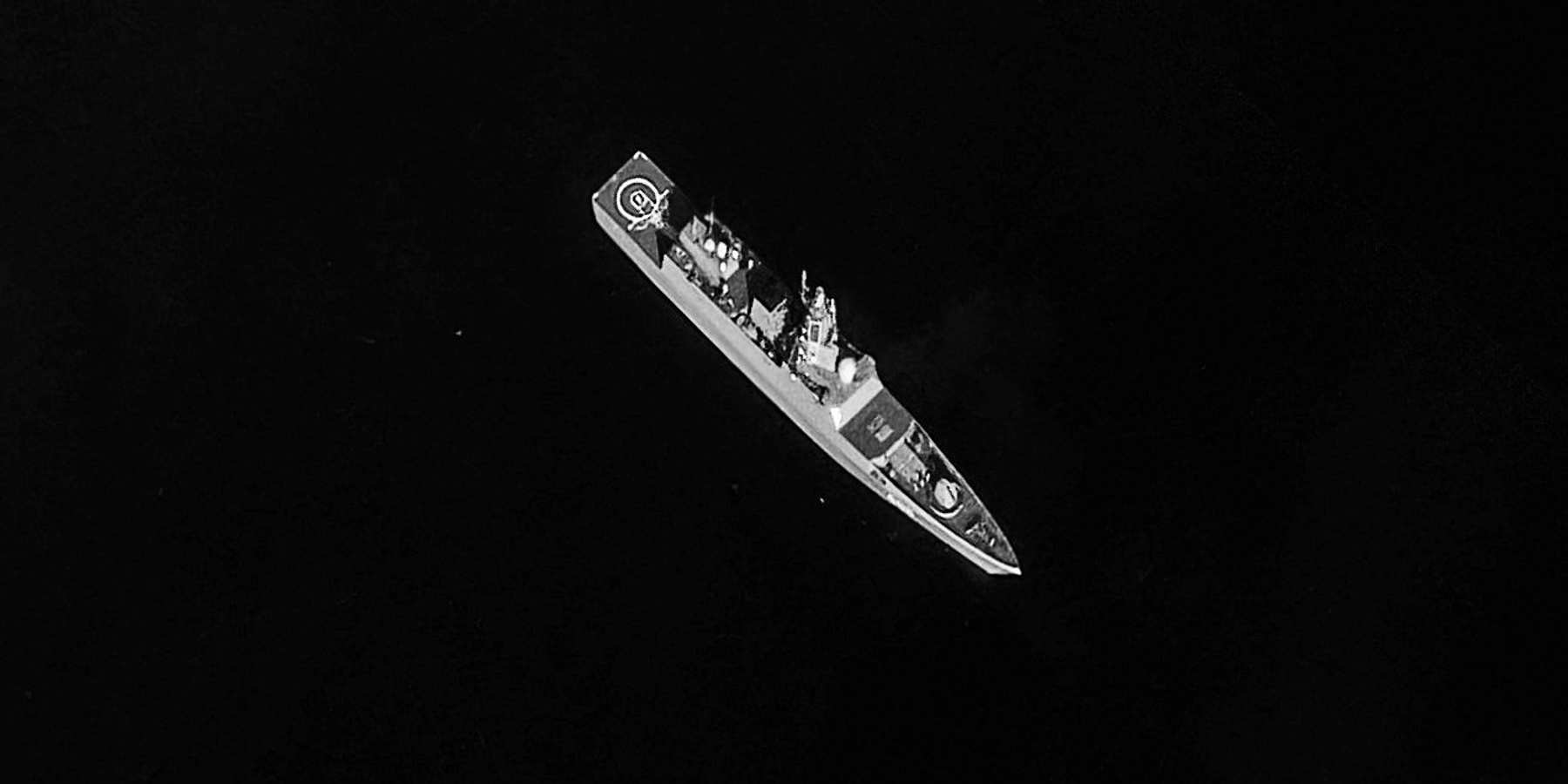
The Russian naval base at Tartus is Moscow’s only warm water port. For years, it enabled the Kremlin to project naval power into the Mediterranean and keep NATO on its toes in the region. The Russian airbase at Khmeimim, meanwhile, not only helped Moscow support military forces throughout the Middle East and Africa, but it also featured sophisticated air defenses that gave Russia a role in shaping the Israel-Syria standoff – whenever the IDF launched airstrikes against Iran-aligned targets in Syria, they had to at least be aware of Russia’s air defenses.
Now the fate of those facilities is unclear
Russia has reportedly evacuated some personnel, equipment, and weaponry, but there appears to be at least the possibility of some kind of agreement with HTS that permits Moscow to continue using the Tartus and Khmeimim facilities. As part of that, the Kremlin may seek to exploit its longstanding economic influence in Syria, as well as its potential to serve as a kind of counterbalance if the new government worries about excessive Turkish influence.
But the stakes are high. Russia will have a hard time replacing these facilities elsewhere in the region. US allies like Egypt or the Gulf states are unlikely to host Russian assets for fear of blowback from Washington. And while Russia has friends in Libya and Algeria, it would take years to construct facilities as sophisticated as what the Kremlin had in Syria.
Beyond the potential hard-power hits, Russia’s soft power has suffered too. Assad wasn’t the only embattled leader who leaned on Moscow for support in the face of severe pressure from the West. But Moscow’s inability, or unwillingness, to come to Assad’s aid in his final hours of need might raise alarm among the Maduros, Diaz Canels, Kims, and Lukashenkos of the world. The value of an alliance with Vladimir Putin just lost a few kopeks on the ruble.
Iran: a regional strategy in ruins
Whatever losses Russia has suffered, they pale next to the impact on Iran. Syria was the centerpiece of Iran’s once-powerful “Axis of Resistance” against Israel and the United States. The country was critical for Tehran’s Hezbollah proxies next door in Lebanon who got Iranian weapons and rear support via Syria while also profiting from the country’s smuggling markets and illicit narcotics industries. In addition, the Assad regime reliably bought tens of billions of dollars worth of oil that Iran couldn’t sell elsewhere because of Western sanctions.
And lastly, Syria was an extra 70,000 square miles of friendly territory between Iran and its regional arch-enemies in Israel, important for a Tehran that is perpetually worried about the prospect of Israeli strikes on its nuclear program or other military installations.
True, the new Syrian government, run for now by the supposedly reformed Sunni jihadists of Hayat Tahrir al-Sham, or HTS, isn’t likely to be much friendlier to Israel. And the IDF has already destroyed much of the military hardware that Assad’s regime left behind, for fear of it falling into hostile hands. But HTS views Iran and Hezbollah as arch-enemies, making it harder for Tehran to picture an HTS-led Syria as a dependable deterrent against Israel.
Take all of that together with Israel’s decapitation and defanging of Hezbollah and Hamas – Iran’s two main proxies in the region – and Tehran’s regional clout is at its lowest ebb in years.
The Iranian government has tried to put a brave face on all of this, declaring earlier this week that it would “use all its regional and international capacities to stop the crimes of the Zionist regime against Syria.”
The trouble for Iran, like Russia, is that in one fell swoop, much of those regional and international capacities now lie in ruins.