January 09, 2019
125: China has authorized $125 billion of new rail projects since early December. Plans for 6,800 kilometers of new railways, including 3,200 kilometers of new high-speed rail, are part of a broader effort to stem the effects of an economic slowdown that's hitting as Beijing attempts to manage it standoff with the US over trade.
55: Plagued by under-staffed security forces, the government in Kabul controls just 55 percent of Afghanistan's territory, according to US government figures – an area containing just under two-thirds of the population. That leaves over 12 million people living under control of the Taliban and other groups and complicates any US attempt to withdraw from the country after 18 years of conflict.
48: If current trends hold, the world will boast 48 cities with populations over 10 million people by 2035, up from 33 today. Of the 15 contenders for mega-city status, 10 are in Asia, 2 are in the Middle East, 2 are in Africa, and 1 is in Europe. None are in the Americas.
3.4: US carbon dioxide emissions rose 3.4 percent in 2018 – the biggest increase in 8 years, according to an initial estimate – despite sharp reduction in the number of active US coal-fired power plants. A booming economy, including a strong performance by the energy hungry manufacturing sector, looks to be the main driver.
More For You
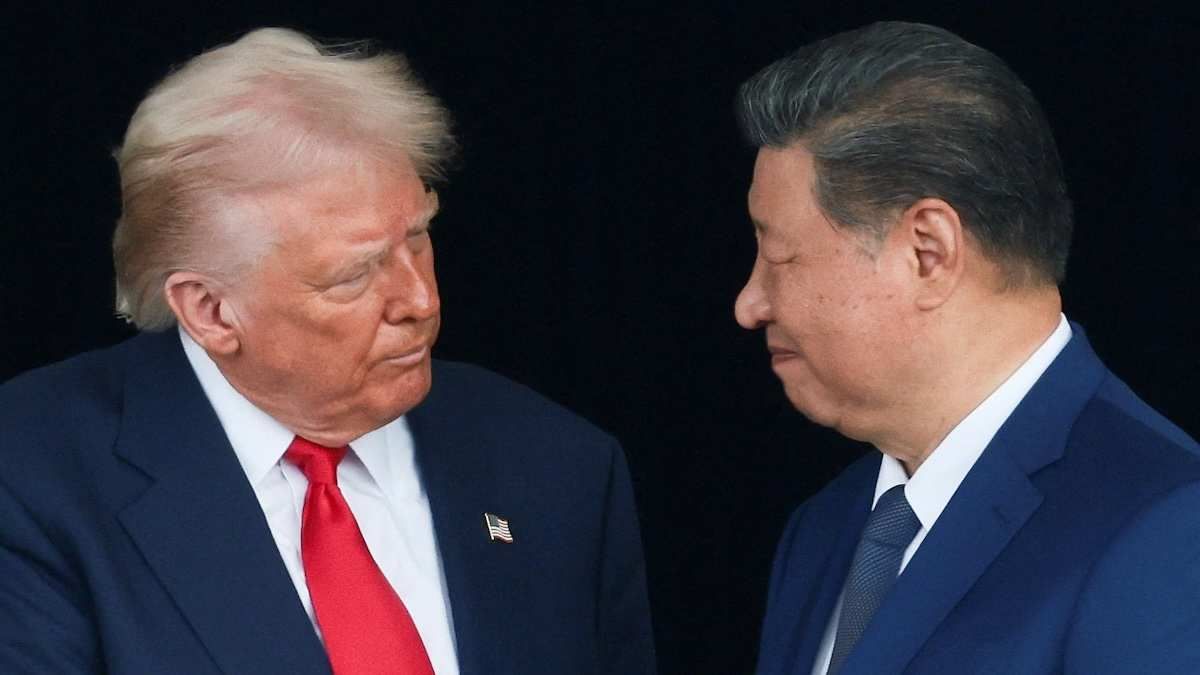
U.S. President Donald Trump and Chinese President Xi Jinping talk as they leave after a bilateral meeting at Gimhae International Airport, on the sidelines of the Asia-Pacific Economic Cooperation (APEC) summit, in Busan, South Korea, October 30, 2025.
REUTERS/Evelyn Hockstein
China has defied Western sanctions for years and buys as much as 90% of Iran’s oil exports.
Most Popular
Sponsored posts
Show your undying devotion to The Regime
Sponsored posts
Invested in America’s curiosity
Think you know what's going on around the world? Here's your chance to prove it.
President Bola Tinubu faces strong headwinds in his bid for a second term.
Ukraine's Minister of Defence Mykhailo Fedorov speaks at a joint press conference with his Swedish counterpart Pal Jonson (not pictured), amid Russia's attack on Ukraine, in Kyiv, Ukraine, July 1, 2026.
REUTERS/Alina Smutko
Critics have said that Zelensky – now in his seventh year in office – has been in power for too long.
© 2025 GZERO Media. All Rights Reserved | A Eurasia Group media company.