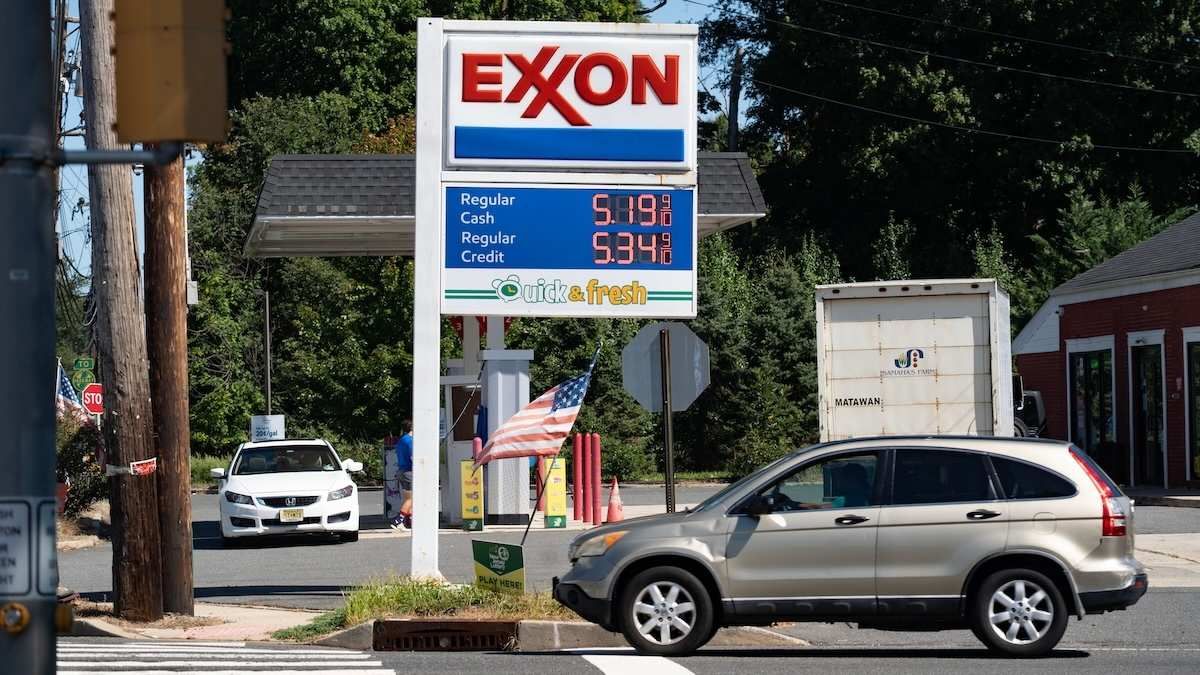
Venezuela: Guess who’s back?
Nearly 20 years after leaving the country, Exxon is returning to Venezuela under a preliminary deal to explore production possibilities. Exxon left in 2007 after then-president Hugo Chávez changed oil contract terms and seized some of its assets. But since the US ousted Chávez’s successor, Nicolás Maduro, back in January, Washington has taken control of the oil industry and redrafted the rules to entice US oil companies again. Exxon’s return is symbolically important, but the company says it won’t actually invest without “stable policies.” One key issue: the US effectively forced the current rules upon acting president Delcy Rodríguez, a widely reviled former Maduro deputy beholden to the US. But popular opposition figure Maria Corina Machado, who recently returned from exile, has questioned the transparency of that process. If Venezuela holds elections – as both the Trump administration and Rodríguez herself have promised – would a new government try to tweak the rules again?
In Papua New Guinea, is it Taiwan out and China in?
Taiwan has put all diplomatic and economic ties with Papua New Guinea on ice, after Papua New Guinea’s Foreign Minister reaffirmed the country’s commitment to the “One China” policy in July. Taiwan, which said it was blindsided by the decision, announced this week that it would end all aid programs to Papua New Guinea and stop purchasing its liquefied natural gas, a third of which is exported to Taiwan. China welcomed the move, but Australia, which wants to curb China’s footprint in the region, criticized it. China has been expanding its presence in the region, promising aid and investment to small island nations in exchange for cutting ties with Taiwan. But Australia has been pushing back, and Papua New Guinea – rich in minerals like copper, cobalt, and nickel that are used in battery production – has found itself caught in the middle.
Indonesia’s VP offers to resign after qualifications questioned
Indonesia’s vice president, Gibran Rakabuming Raka,offered to resign today after a probe by the country’s constitutional court last month questioned his educational credentials. It’s unclear whether the president has accepted the resignation. In Indonesia, candidates must have at least a senior high school diploma to run for office, but the court annulled the “equivalency document” Gibran submitted for his 2024 run. If he leaves office, it could widen the political rift between current president PrabowoSubianto and Gibran’s father, popular former president Joko Widodo. Widodo backed Prabowo as president in 2o24 only after he chose Gibran as his vice president, helping Prabowo win by a significant margin. But now tensions are high amid an alleged wiretapping scandal involving the president’s chief of staff, a Widodo loyalist. Meanwhile, Prabowo faces slumping approval ratings for his high-spending populist policies, and this new scandal adds more instability to his government.