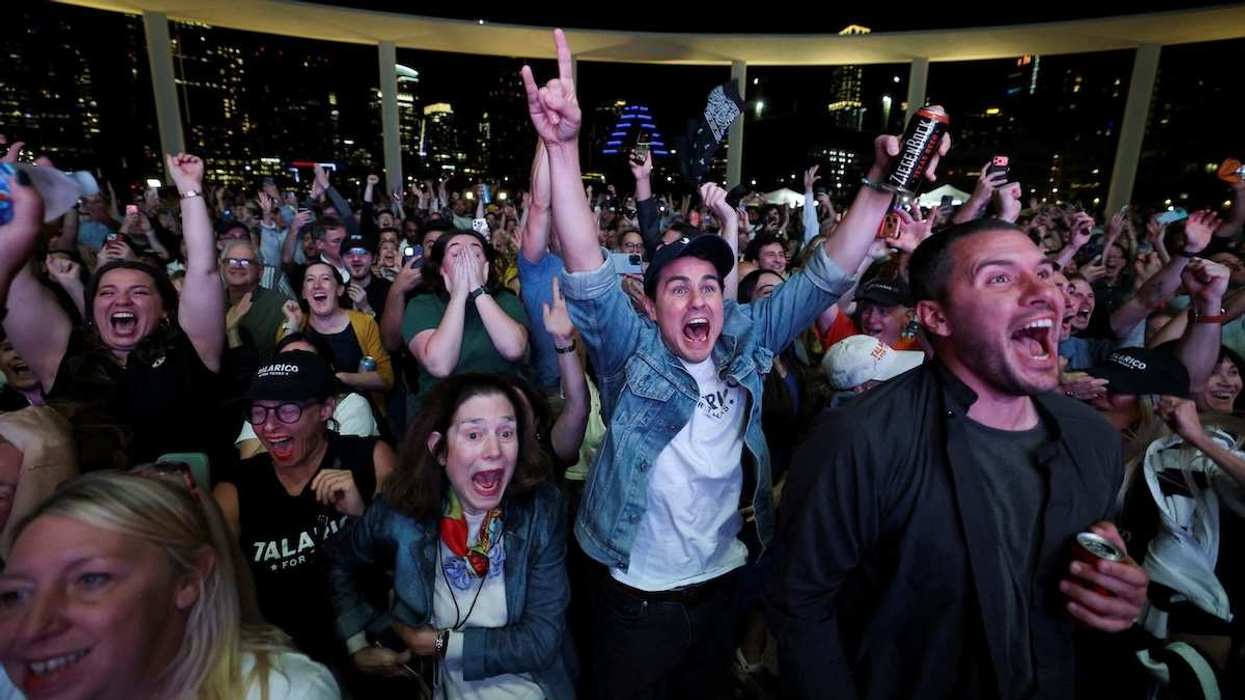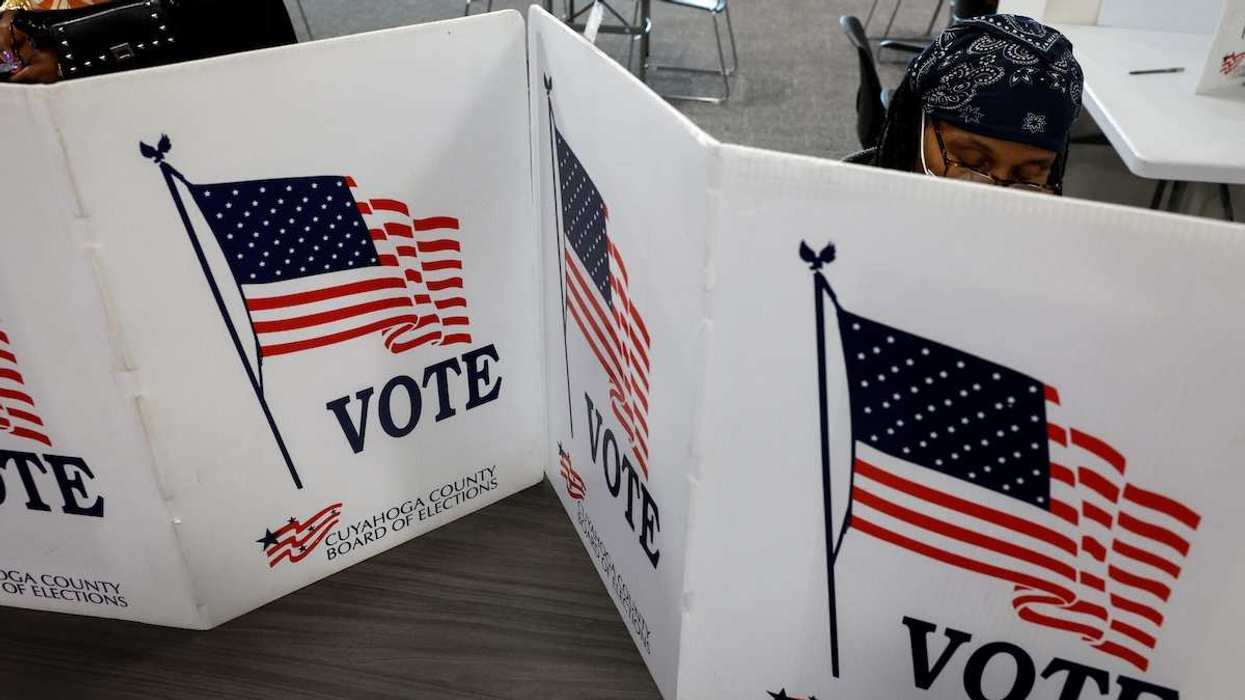
Elections have been taking place around the world in recent weeks – and if there’s one thing they have in common, it’s this: voters are fired up.
In Serbia, turnout reached its highest level since the breakup of Yugoslavia in 1992. In Israel, it was the highest in more than two decades. Brazil saw an additional three million people who had abstained in the first round of voting show up in the runoff, when turnout usually falls. US midterm turnout was over 48%, the second-highest midterm turnout since 1966. Both chambers of Congress flipped to Democratic control in one night, a feat a minority party has not achieved since 2006.
This comes on the heels of declining voter participation worldwide. Between 2008 and 2023, it fell among eligible voters from 65% to 55%, according to the International Institute for Democracy and Electoral Assistance, an intergovernmental election watchdog. So what is driving so many people to the polls now?
Inflation and rising costs of living. The war in Iran’s shock to global energy supply is stoking inflation and driving up prices worldwide. According to the IMF, global inflation will rise to 4.7% this year, up from 4.1% in 2025. This was top of mind for voters in the US midterms – 87% of whom said the economy was very or extremely important when considering how to cast their ballot. According to one analysis by Moody’s, the war has cost each US household an additional $2,000 on average, driven by higher spending on gas and everyday goods.
“Whether you read about the economy, read about changes, or whether you're just seeing how much you pay for gas or… how much a carton of eggs costs, it’s hitting a lot of people and not just the poor,” explained Jan Leighley, a professor who researches the causes of voter turnout at American University.
The US isn’t alone. In Serbia’s recent general election and Germany’s statewide elections, cost-of-living frustrations were major push factors for voters as well. In Saxony-Anhalt, voter participation surged to a record high of 76.5%, delivering a win for the far-right populist party Alternative für Deutschland (AfD), which campaigned on cost-of-living issues and Chancellor Friedrich Merz’s struggle to revive the economy. In Serbia, a youth-led opposition movement called the Student List ousted the country’s long-running leader, partly by promising to fight graft, which they argued drains public spending.
Security. Concerns about both domestic and international security also weighed on voters’ minds. That has been especially true in Latin America. The region only makes up about 9% of the global population, yet accounts for nearly one-third of homicides that take place in the world.
Colombia and Chile both elected tough-on-crime right-wingers in recent elections. Colombia this year chose Abelardo De La Espriella for his tough-on-crime agenda and plans to build El Salvador-style mega-prisons for powerful gangs – security was a defining issue for voters, said Maria Luisa Puig, Eurasia Group’s Latin America Director. Voter turnout, which had historically stood around 50%, reached more than 64%. In Chile, turnout in the runoff rose by almost 30% from the previous election as voters chose José Antonio Kast, who vowed to crack down on rising levels of violent crime.
Combatting crime was also an issue right-wing candidate Flávio Bolsonaro campaigned on in Brazil. He won the first round of voting last month with 47% of the vote, compared to President Luiz Inácio Lula da Silva's 45%, though he was ultimately defeated in the runoff.
Security was also a major issue in Israel’s recent elections. Former military chief Gadi Eisenkot has focused his campaign on holding Prime Minister Benjamin Netanyahu accountable for the national security that led up to the October 7, 2023 Hamas attacks.
Anti-incumbent backlash. Voters were also driven by frustration with their existing political leaders. In Serbia, candidates from the Student List, which led two years of anti-corruption protests, won an absolute majority in parliament and ousted Aleksandar Vučić, who had dominated Serbian politics for more than a decade. Despite the Student List's having no prior experience in government, voters chose change over the experienced incumbent.
Similarly, in Hungary, opposition leader Peter Magyar ousted 16-year incumbent Viktor Orbán, who faced accusations of corruption, embezzlement of EU funds, and stacking the judicial system in his favor. Voter turnout neared 80%, its highest in the country’s democratic history, driven by young people and Hungarians eager for change.
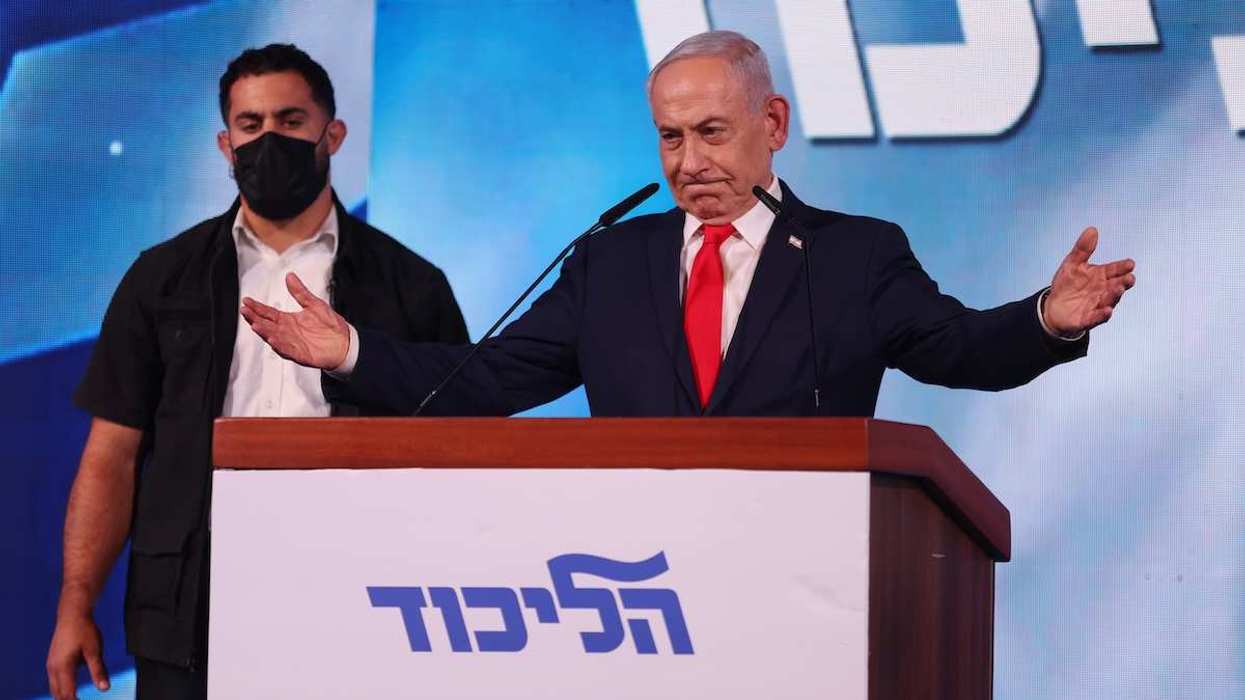
Voters in Israel were also frustrated by Netanyahu, who first took office in 1996. Israeli elections last month saw him lose his governing majority – although his coalition still won the most seats.
In the US, President Donald Trump went into the midterms with the lowest approval ratings of any president in a similar situation in more than 80 years. Trump told voters to “pretend” he was on the ballot – a poor strategy, according to Donald Green, a professor of political science at Columbia University who researches voter turnout. While Trump focused on his ballroom and the reflecting pool, voters were more concerned about affording everyday goods.
What does this mean for upcoming elections? Electoral hopefuls, particularly in Europe, will be watching this surge in voter turnout closely. Incumbents like Pedro Sanchez in Spain face re-election later this month, and France will hold a presidential election next April. Germany will also hold further state elections in 2027, where the AfD is vying for more influence. With gas prices squeezing voter budgets, frustration with current leaders running high, and the far-right focusing on border control as a security issue, many of the same forces driving voters to the polls recently show little sign of fading.