October 30, 2026
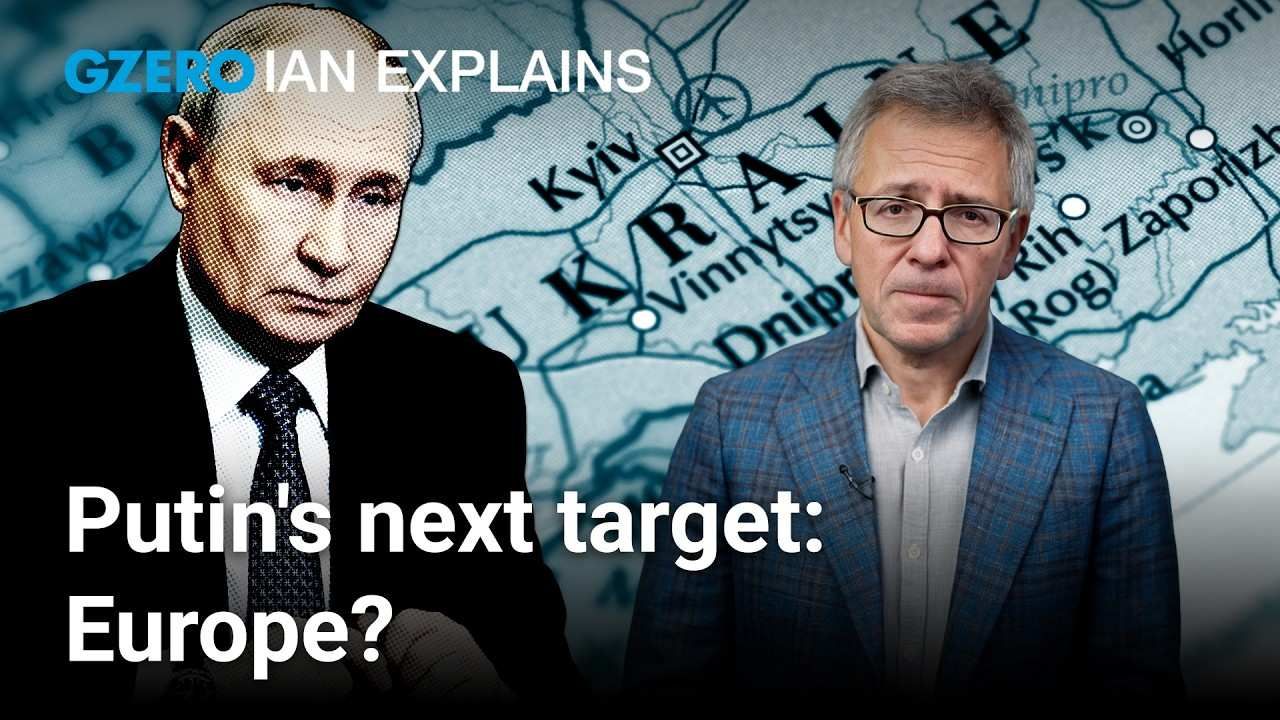
Russia's war in Ukraine is increasingly spilling beyond its borders. From suspected sabotage and cyberattacks to drones and aircraft testing NATO airspace, Moscow is probing how far it can go without triggering a wider confrontation. Meanwhile, uncertainty over US support is forcing Europe to rethink its own defenses. But with 27 EU countries divided by competing priorities and far-right, nationalist politics gaining ground across the continent, can Europe agree on how to respond? Ian Bremmer explains why Vladimir Putin's biggest test for Europe may be whether the continent can act together before a crisis forces its hand.
More For You
While the average American household has spent $1,100 more on gas and diesel since the start of the Iran war, oil companies have been profiting from higher fuel prices.
Most Popular
For Gen Z, changing jobs can mean a bigger paycheck. Younger workers continue to see the largest gains from switching, offering a glimpse into how career mobility is evolving across generations. Subscribe to Bank of America Institute to explore the data.
Venezuelan opposition leader Maria Corina Machado holds a Venezuela flag while greeting supporters as she arrives in Caracas after travelling by road from Barquisimeto, where she made her first public appearance following her return to the country after nearly a year abroad, in Caracas, Venezuela, October 25, 2026.
REUTERS/Leonardo Fernandez Viloria
Ian Bremmer analyzes what the return of Venezuela's opposition leader will mean for its democracy.
- YouTube
In this ‘ask ian,’ Ian Bremmer says recent elections around the world point to a common trend: voters are increasingly unhappy with their governments as inflation, security concerns and economic pressures shape political outcomes.
© 2025 GZERO Media. All Rights Reserved | A Eurasia Group media company.