Alaska Democrat’s election shenanigans cast doubt over midterms
Alaska has launched a criminal probe into Democratic Senate candidate Mary Peltola’s campaign after The Times revealed a plan to recruit people with the same name as her Republican opponent, incumbent Dan Sullivan, to run for office and confuse voters. The ballot for next Tuesday’s midterms already features Peltola, Sullivan, and another unrelated Dan Sullivan. The Sullivan Search was revealed just days after President Donald Trump questioned the legitimacy of the two-Sullivan ballot. Whether or not the probe finds a crime, the Peltola campaign’s approach undermines the spirit of a fair vote. That will fuel broader campaigns, led mostly by Trump allies, to question the midterms’ legitimacy. Polls show Democrats likely to retake the House, with a shot at retaking the Senate. Fifty-five percent of Americans polled think the vote will be legitimate, down more than 10 points since 2022.
Russia courts African leaders
Forty-eight African delegations, including twenty heads of state, are in Moscow this week for a summit with Russia. Russia hopes to expand its influence on a continent it has spent years competing for against China, the US, and Europe, even claiming it can be a “better partner than the colonial West.” But what can Russia offer that others cannot? For one, security. Many African governments struggle to contain insurgencies, and Russia lends military support through its state-funded paramilitary force, Africa Corps (formerly the Wagner Group). This is especially important in the Sahel, where the Africa Corps have helped military governments battle Islamic insurgents. Then there’s energy. As countries face rising fuel prices due to the Iran war, Russia is pitching its nuclear-technology expertise. At the summit, Moscow unveiled plans to develop floating nuclear power plants for coastal African countries, potentially offering a new source of electricity while deepening their dependence on Russian technology.
Albania introduces fines for protesters in crackdown
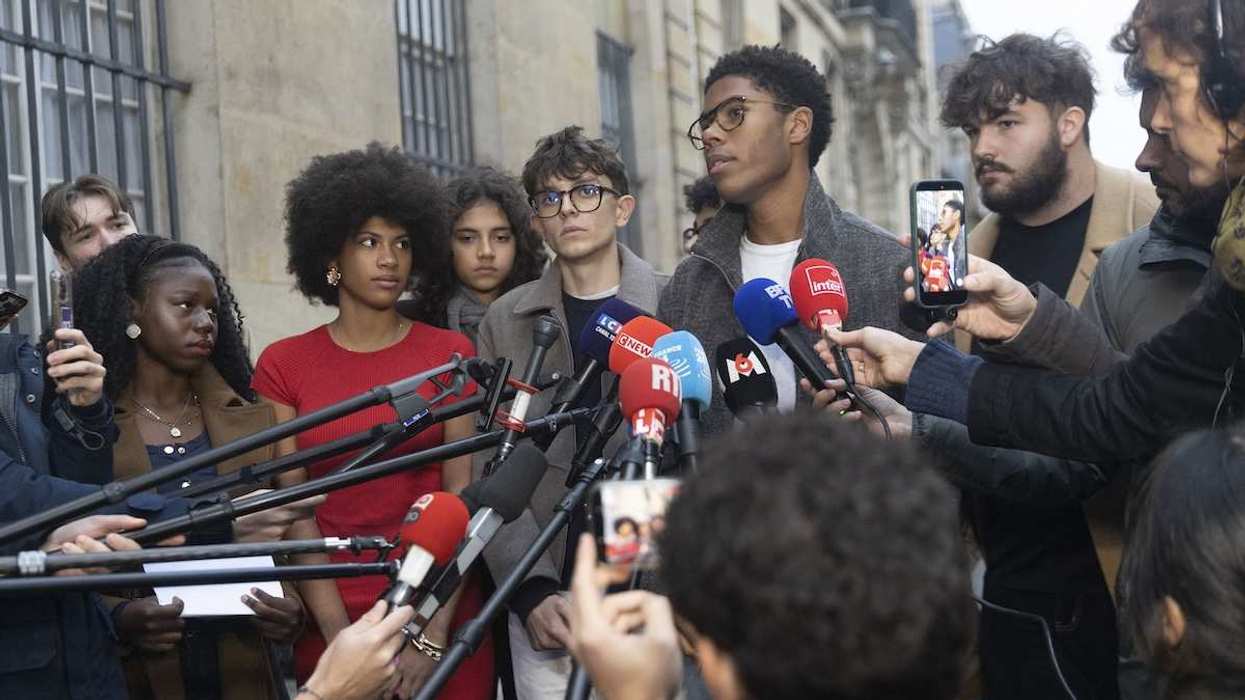
Albania has announced fines to crack down on anti-government protests that have spread across the country in recent months. Demonstrators can now be fined more than $6,000 for participating in protests that turn violent, even if they don’t personally contribute to the violence itself. That’s no small cost in Albania: the average pre-tax monthly salary is just over $1,000. Demonstrations began in June against plans to build a luxury resort on a nature reserve, backed by US President Donald Trump’s son-in-law Jared Kushner, but have since ballooned into protests over perceived government corruption, a struggling healthcare system, and a lack of opportunity for young people. Protesters have also called for the resignation of four-term Prime Minister Edi Rama. The crackdown comes as cash-strapped governments across Europe try to respond to a wave of youth-led protests. Rama said the new fines were inspired by a French bill that made protesters liable for damage they caused.