Syria’s main Kurdish militia disbands
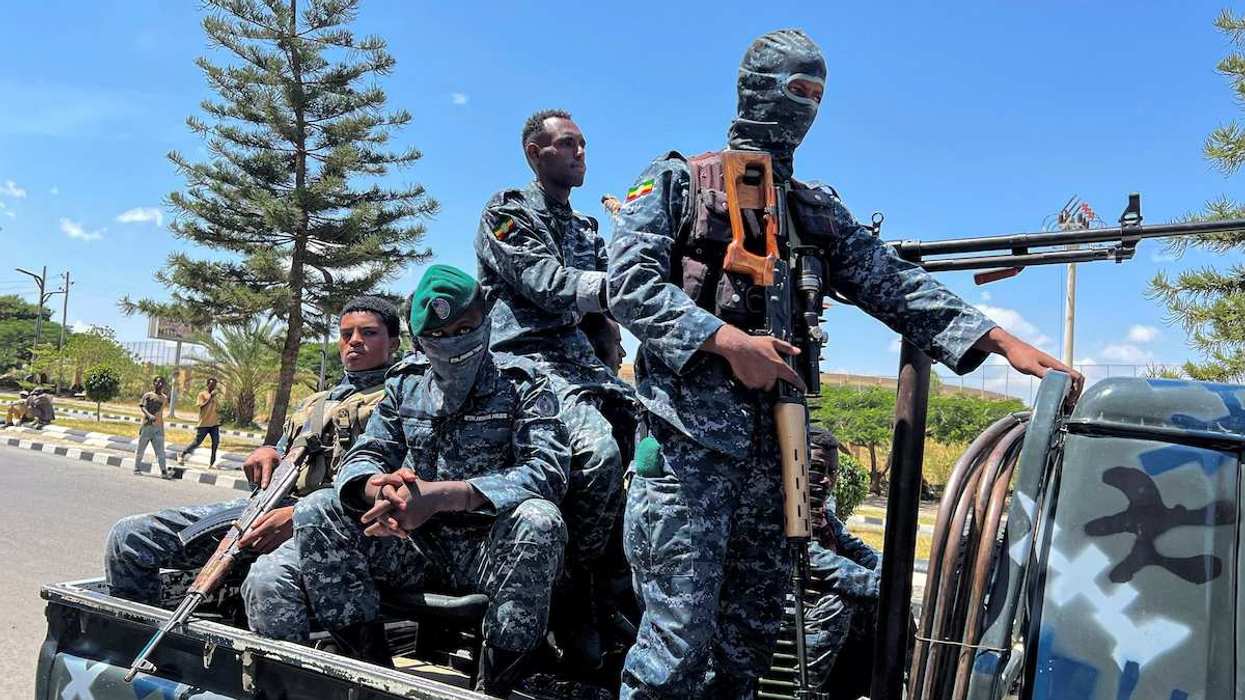
Some of our readers may recall German sociologist Max Weber’s famous definition of a state as having “a monopoly on the legitimate use of violence.” Well, now you can watch that monopoly expanding in real time in Syria as the country’s main Kurdish militia, the Syrian Democratic Forces (SDF), has officially dissolved itself. The move, agreed several months ago with the Islamist-led government of Ahmed al-Sharaa, the former jihadist who overthrew the Assad dictatorship in late 2024, marks a major step forward in stabilizing and strengthening the new Syrian state. The SDF fighters, who once controlled vast swathes of territory in Northern Syria and were critical in the fight against ISIS, will now be integrated with the Syrian army. Across the border in Turkey, meanwhile, the main Kurdish rebel group, the PKK, has also agreed to disband — marking a broader move away from militancy among the region’s key Kurdish groups.
Gang violence in Haiti reaches the last safe enclave
Gang violence continues to wreak havoc in Haiti, with 47 people killed near the capital of Port-au-Prince on Sunday night. This includes 22 people reportedly killed inside a church in Kenscoff, an affluent suburb that is home to embassies and was believed to be insulated from the violence unfolding in the capital. Gangs now control roughly 90% of Port-au-Prince, and have significantly expanded their grip since the 2021 assassination of President Jovenel Moïse. International efforts by the UN and the United States to deploy a large security force haven’t made a significant impact, and experts say the latest attacks are a warning from gangs against further foreign intervention. The violence also comes at a critical moment for Haiti, which is scheduled to hold its first election in a decade this December.
Colombia’s new president vows immigration crackdown
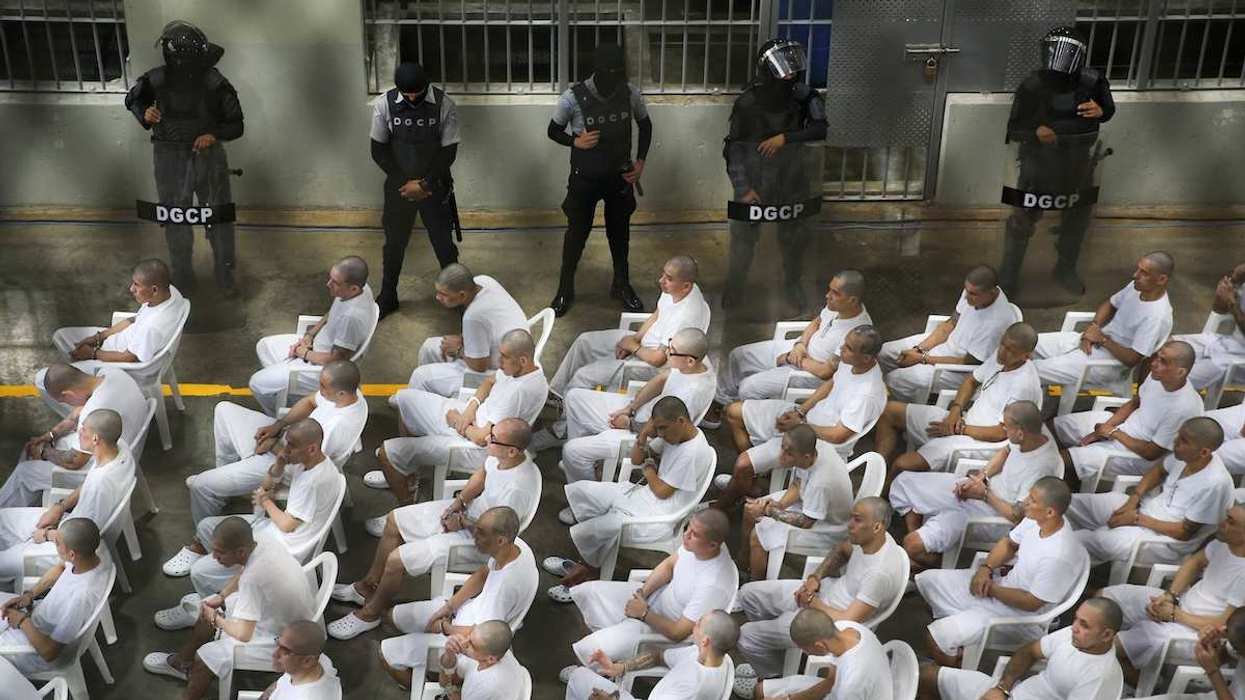
As Colombia grapples with the aftermath of a 7.4 magnitude earthquake earlier this month, its new president is turning his attention to immigration. President Abelardo de la Espriella announced this week that he would begin cracking down on irregular migration, or people in the country without permits. Approximately 90% of migrants to Colombia, around 2.8 million people, come from Venezuela, which has lost nearly a fifth of its population in the last decade as people fled the repressive regime and a shrinking economy. De la Espriella came into office after four years of Gustavo Petro’s left-wing leadership, and echoes the right-wing rhetoric of US President Donald Trump and Salvadorian President Nayib Bukele. He promised to put “Colombians first” in the first concrete policy of Colombia’s rightward swing. Human rights groups warned that the crackdown would end a long-running policy which has allowed people to flee the humanitarian crisis in Venezuela.