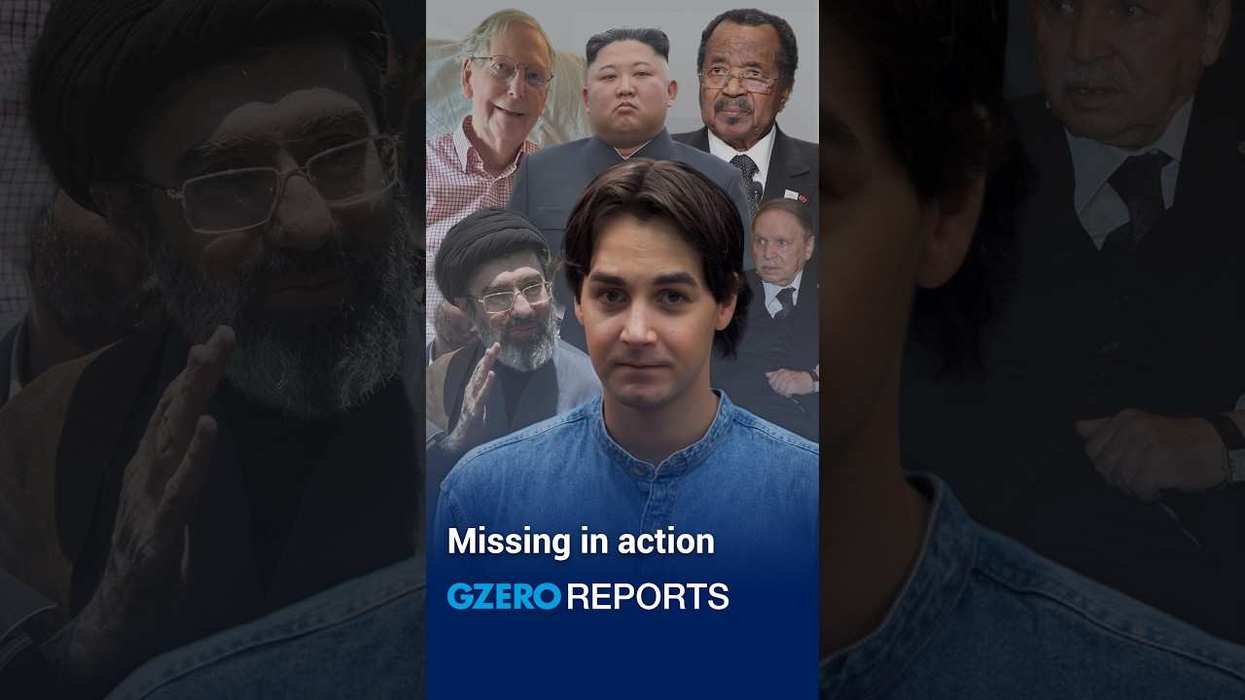
The case of the missing world leader
August 26, 2026
Global Stage LIVE from United Nations WATCH REPLAY
Our journalists bring you on-location video reports digging into news stories around the world.
Presented by
On June 7, Cameroonian President Paul Biya left the country for what his office described as a “brief private stay in Europe.” Then he didn’t come back – for 73 days.
As the weeks passed with little information about the 93-year-old president’s whereabouts, rumors swirled about his health. Opposition figures questioned whether the country was effectively running on autopilot and even called for an interim leader. Finally, on August 20, Biya returned to Cameroon, waving to supporters from his motorcade in the country’s capital, Yaoundé, and presented a trophy to the national women’s soccer team three days later as if it were business as usual.
Biya’s long absence highlights something that can be easy to overlook in politics: visibility can be a tool for world leaders. Public appearances aren’t always just photo ops. They can be a way to project health, authority, and control. That’s especially true for aging leaders, whose physical condition can quickly become a question about the stability of government.
Some leaders lean heavily into that visibility. Russian leader Vladimir Putin has spent years cultivating an image of physical strength. From carefully planned meetings at ridiculously big tables, to his infamous shirtless horseback ride, and even his staged discovery of “ancient” Greek urns while diving, each move is designed to project his prowess as a leader. Cuba’s Fidel Castro was known for speeches that could stretch on for hours, just to keep eyes on him and to project power over the crowd and other members of the communist party for as long as he could.
But staying out of sight can be useful too. Governments can hide illness, avoid images of a frail leader, and decline to answer questions about who is making decisions. And authoritarian political systems generally have fewer checks and balances that can force those answers into the public conversation.
In fact, prolonged absences for leaders and politicians in democracies tend to generate scrutiny quickly. When then-President of Nigeria Muhammadu Buhari spent months receiving medical treatment in London in 2017, limited information about his illness fueled rumors and demands for answers about his condition and leadership. And in the US today, Senator Mitch McConnell’s months-long absence from public view following a fall has fueled speculation, despite his office releasing photos and saying he is recovering at home.
So, how long can a political leader stay out of sight before their absence becomes a problem? The answer can depend a lot on where you rule.



Keep up with what’s going on around the world - and why it matters.