America’s next chapter is being built now. Bank of America is mobilizing $250 billion over the next 18 months to help finance the infrastructure behind it. Learn more.
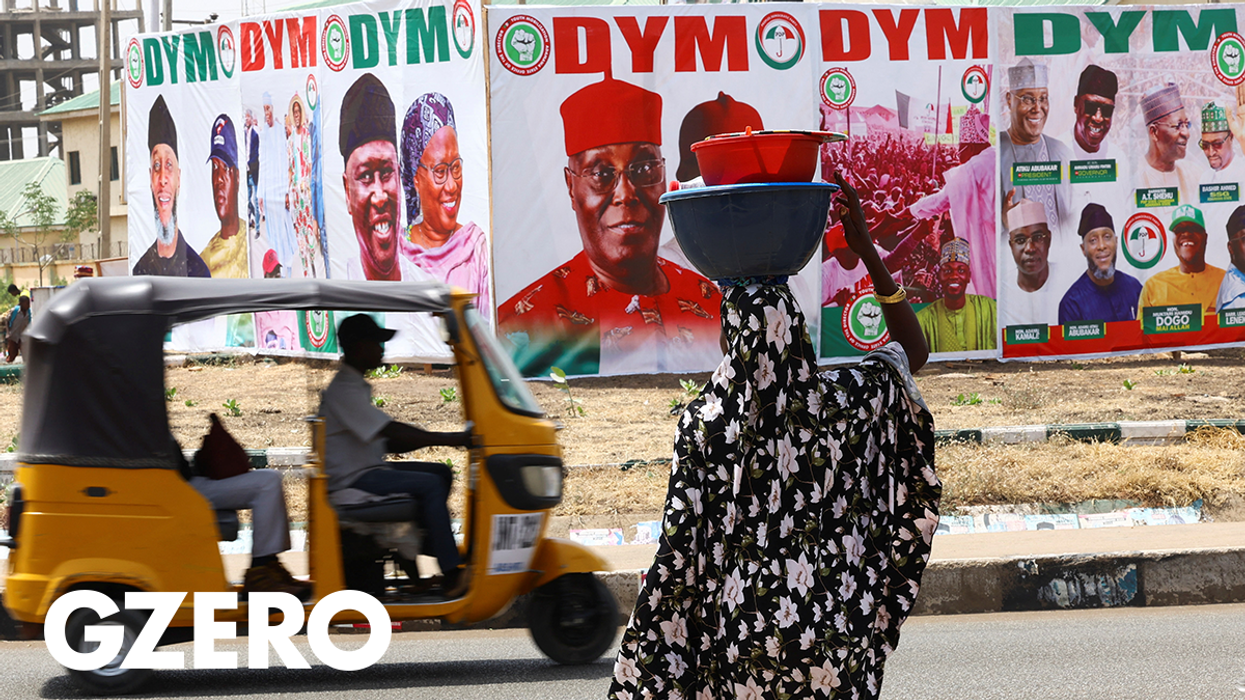
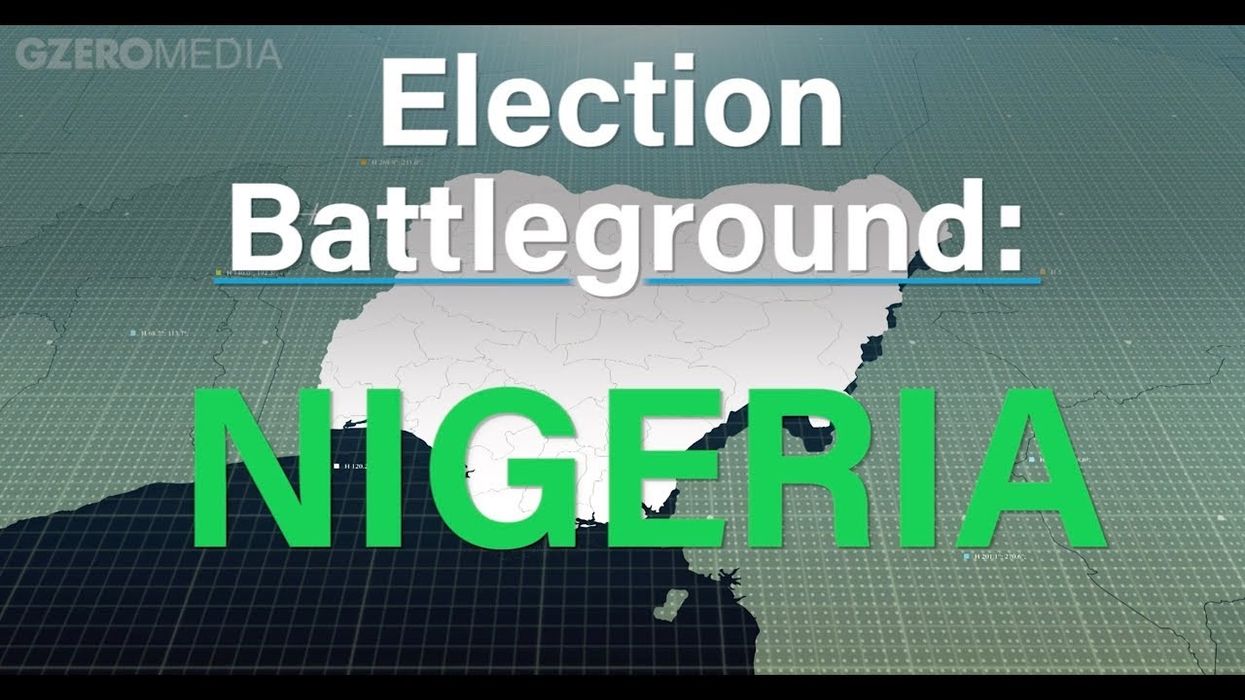
Listen: On February 25, Africa’s most populous nation heads to the polls to vote for a new president in what is shaping up to be a hotly contested race. To help you better understand the Nigerian election and what’s at stake, GZERO is handing over this podcast feed today to Amaka Anku, Head of Eurasia Group’s Africa practice. She brings us a conversation from the The Center for Global Development podcast moderated by CGD’s Senior Policy Fellow Gyude Moore.
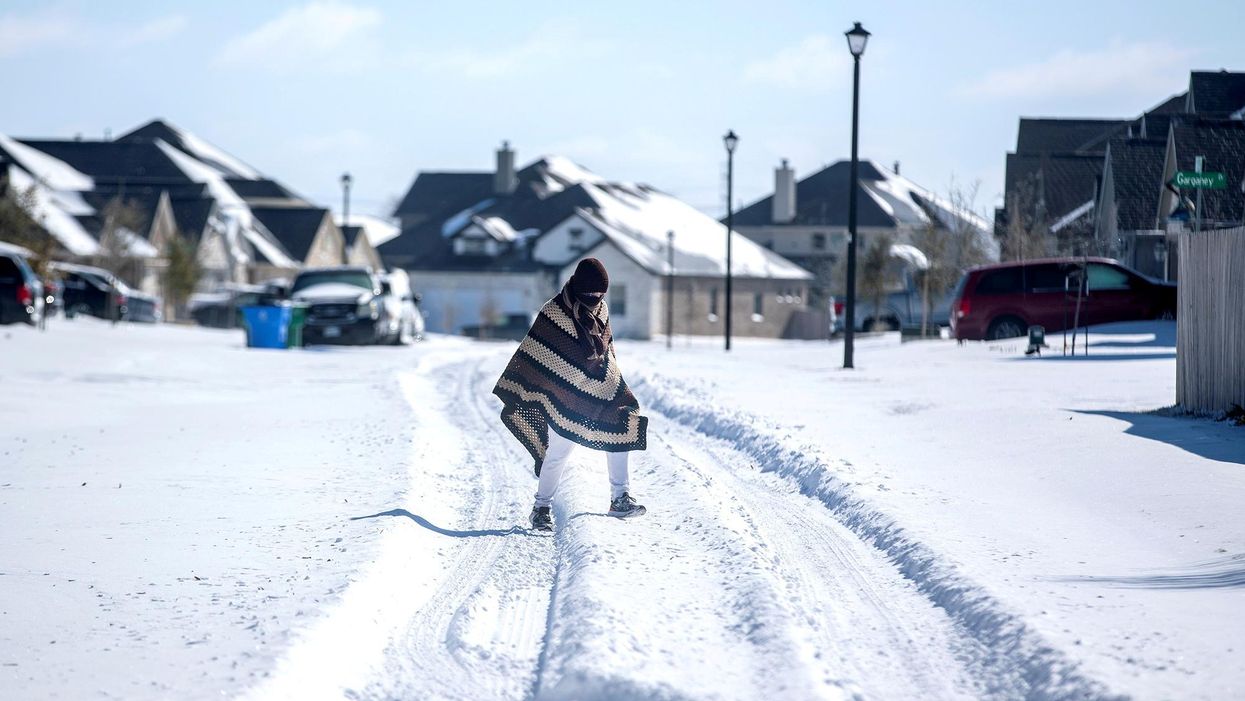
Texas on ice: Winter storms and uncharacteristically freezing weather have plunged the normally toasty US state of Texas into a severe crisis, as power grids knocked offline by the cold had left nearly 3 million people without electricity by Wednesday morning. The state's 29 million residents are now subject to rolling blackouts. Like everything else in America, the situation in Texas has already become a partisan football. Republicans skeptical of renewable energy seized on a handful of frozen wind turbines to argue that the failure of clean energy sources was responsible for the crisis, but data show the collapse in energy supply is overwhelmingly the result of natural gas infrastructure being knocked offline by the cold (pipelines in Texas generally aren't insulated.) In addition, because of resistance to federal regulation, Texas' grid runs with lower reserve power margins and no connection to surrounding state grids, meaning that no power can be imported when a crisis strikes. The sustainability of that model is likely to be the subject of fierce political wrangling in coming months, and will likely spill over into debates on Capitol Hill about "Green Stimulus." For now, millions of Texans are shivering, and not happy about it.
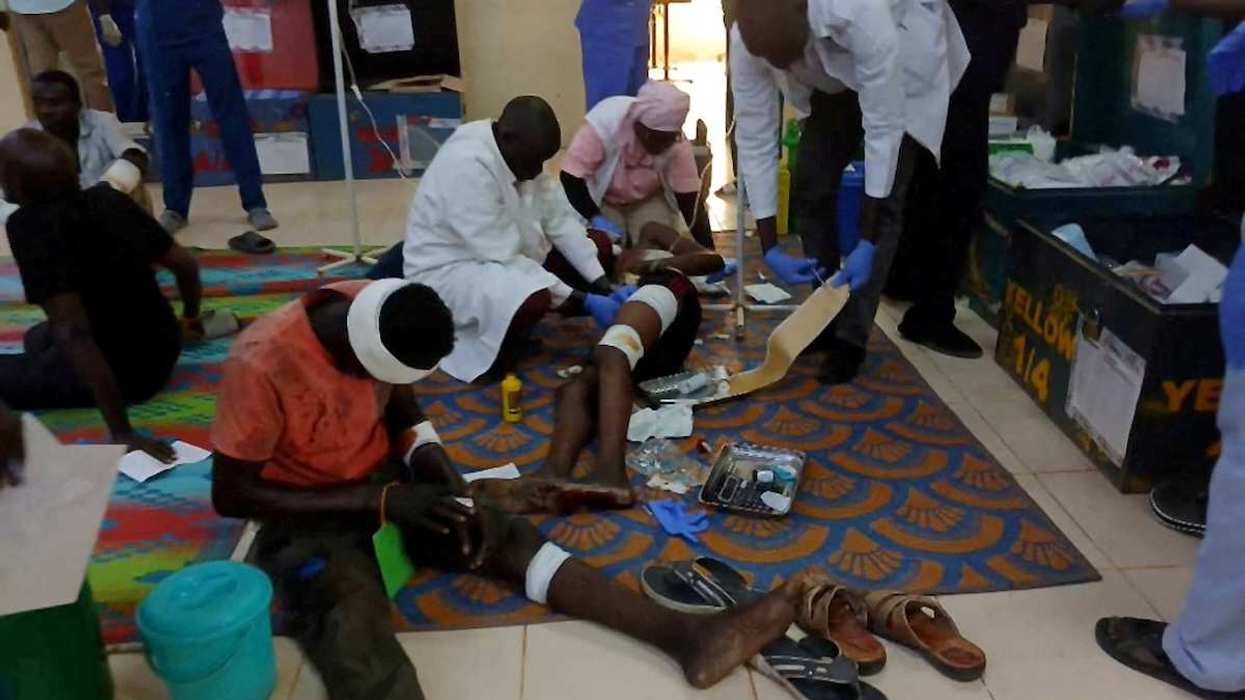
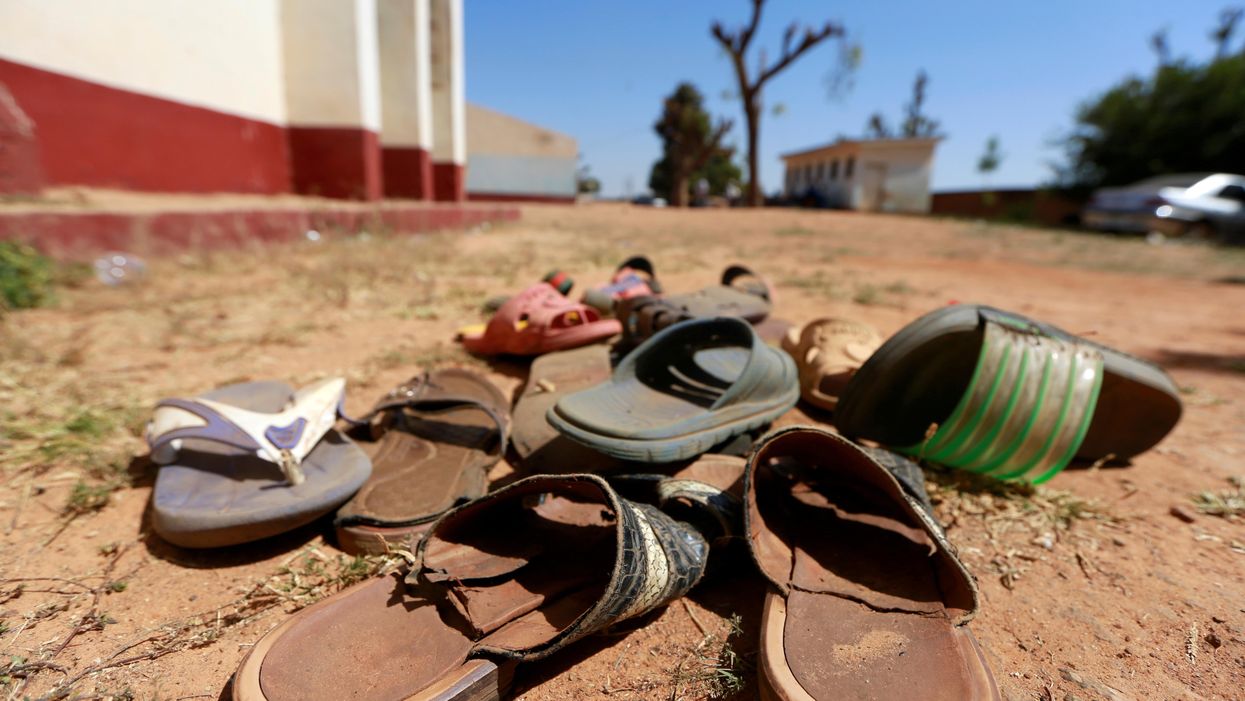
A horrifying attack by militants in northern Nigeria has again shed light on the country's precarious security situation. What are the conditions — political, economic, and social — that have allowed militant groups like Boko Haram to gain ground in Nigeria?
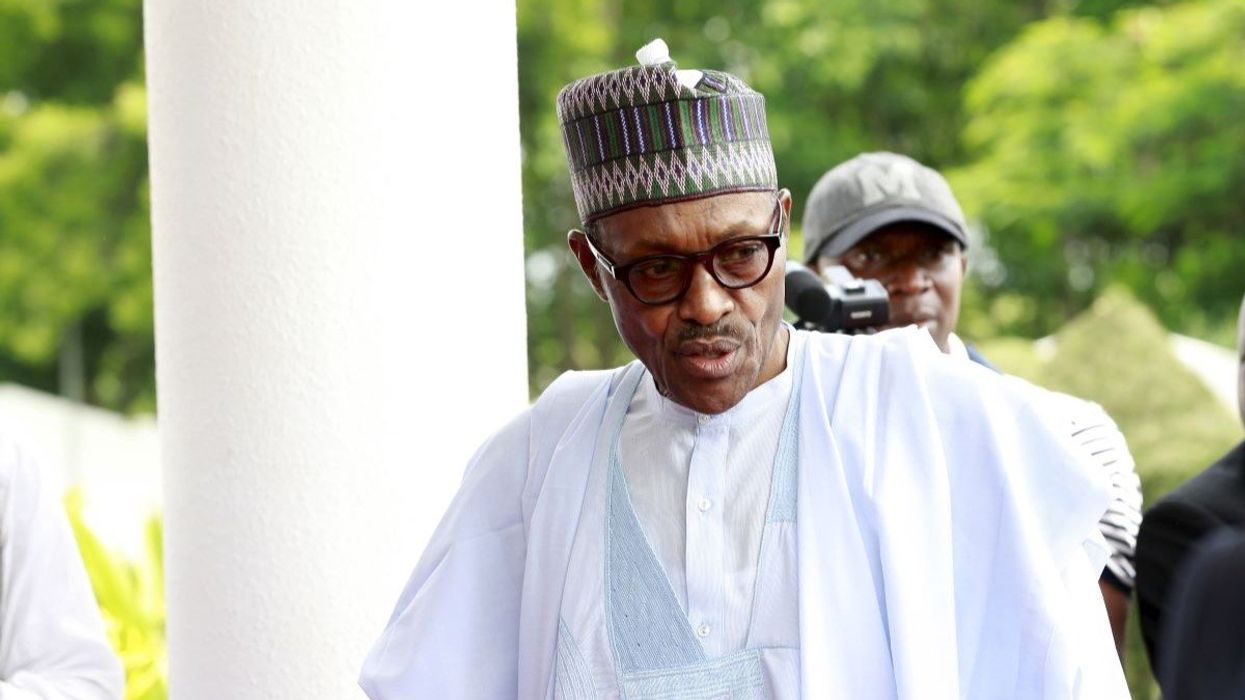
Nigeria's president and his challenger in hotly-contested elections are blaming each other for a Eurasia Group report that listed their country as among the world's top risks for 2019.