Zambia’s post-election crisis deepens
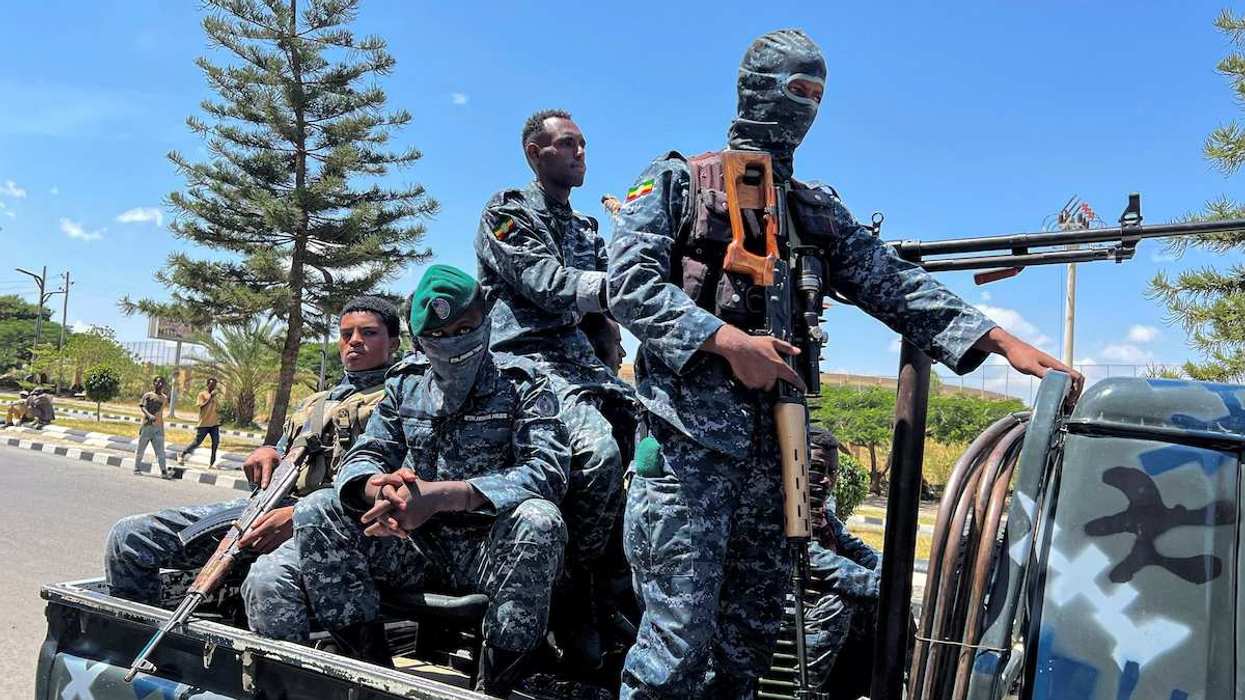
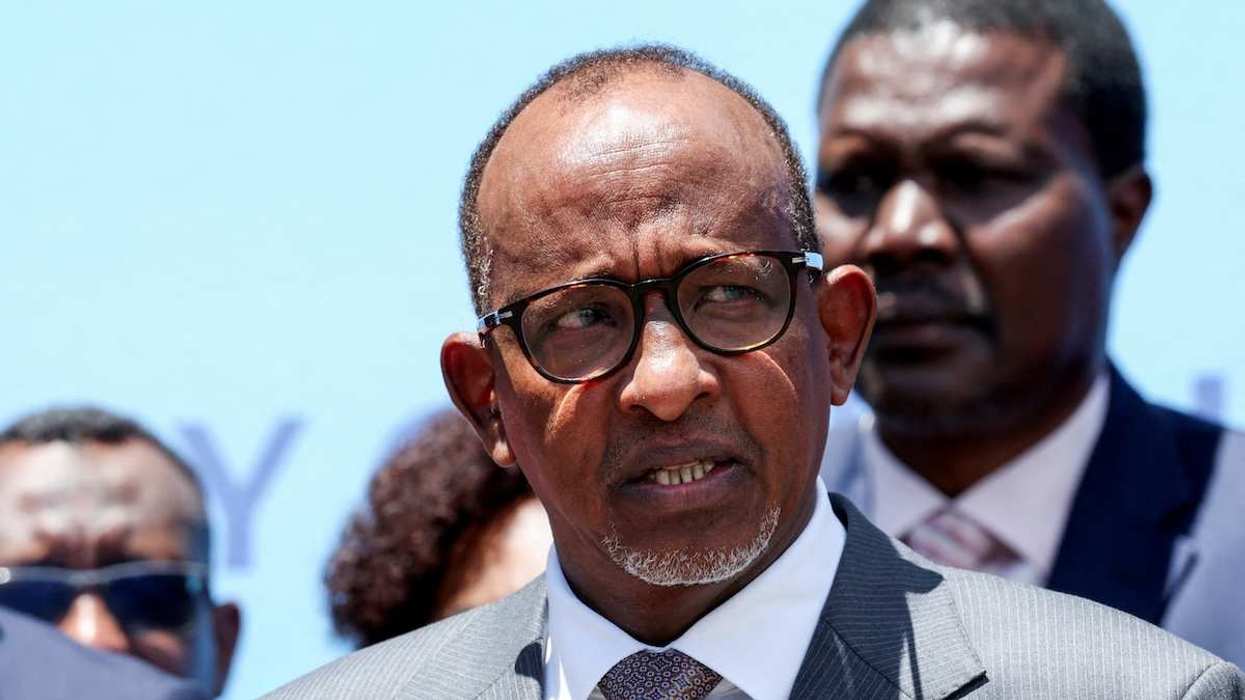
The mineral-rich southern African nation is slipping into political crisis following last week’s disputed election, in which incumbent President Hakainde Hichilema won a second five-year term. In the days since, his government has launched a deadly crackdown on the opposition. On Friday, a former minister was shot dead when the police raided a house linked to opposition leader Brian Mundubile. The authorities accuse Mundubile, who is now in hiding, of fomenting an insurgency. On Monday, the government sealed off access to courts as the deadline approached for filing legal challenges to the election result. The official tally showed Hichilema with 60% of the vote against Mundubile’s 38%, but election observers have questioned the integrity of the count. One bitter irony is that when Hichilema first won power in 2021, his victory against strongman Edgar Lungu was seen as a fresh chance at democracy. Five years later, that promise appears to be cracking.
Bangladesh eyes Mecca agreement
Just over two weeks after Pakistan, Saudi Arabia, and Turkey signed the Mecca Joint Defense Agreement, the pact could soon have a new signatory: Bangladesh. The country is considering joining the other Sunni Muslim-majority nations after an invitation from the Saudis, looking to bolster its defenses amid rising regional tensions fueled by the Iran war. The agreement is modeled on NATO’s collective defense principle, stating that an attack on one member would be treated as an attack on all. If Bangladesh does join, it would mark a significant shift in the country’s traditionally non-aligned foreign policy, which has tried to avoid taking sides in ways that could threaten its export-focused economy. It would also likely raise tensions with neighboring India, with which relations have already been strained in recent years. As a result, India could find itself sandwiched between two members of the defense pact: Bangladesh to the east and Pakistan – with which it has decades-long tensions – to the west.
SCOTUS lets Trump move ahead with mail-in voting restrictions
In an emergency ruling on Monday, the Supreme Court allowed the Trump administration to move forward with plans to tighten rules on mail-in voting. While the ruling did not decide the legality of President Donald Trump’s March 2026 executive order, it could sow doubts about what ballots will be counted in the upcoming midterms. The first mail-in ballots are due to be sent out in just over a week, which could leave election officials and voters uncertain about how to comply. Democratic officials in 23 states and the District of Columbia had argued that the Constitution gives states and Congress, not the president, the power to run elections. Trump, who voted by mail in the Florida primaries, has repeatedly claimed that mail-in votes are a source of election fraud, which experts say is incredibly rare in reality.