Serbia’s Vučić resigns from presidency, but not the political stage
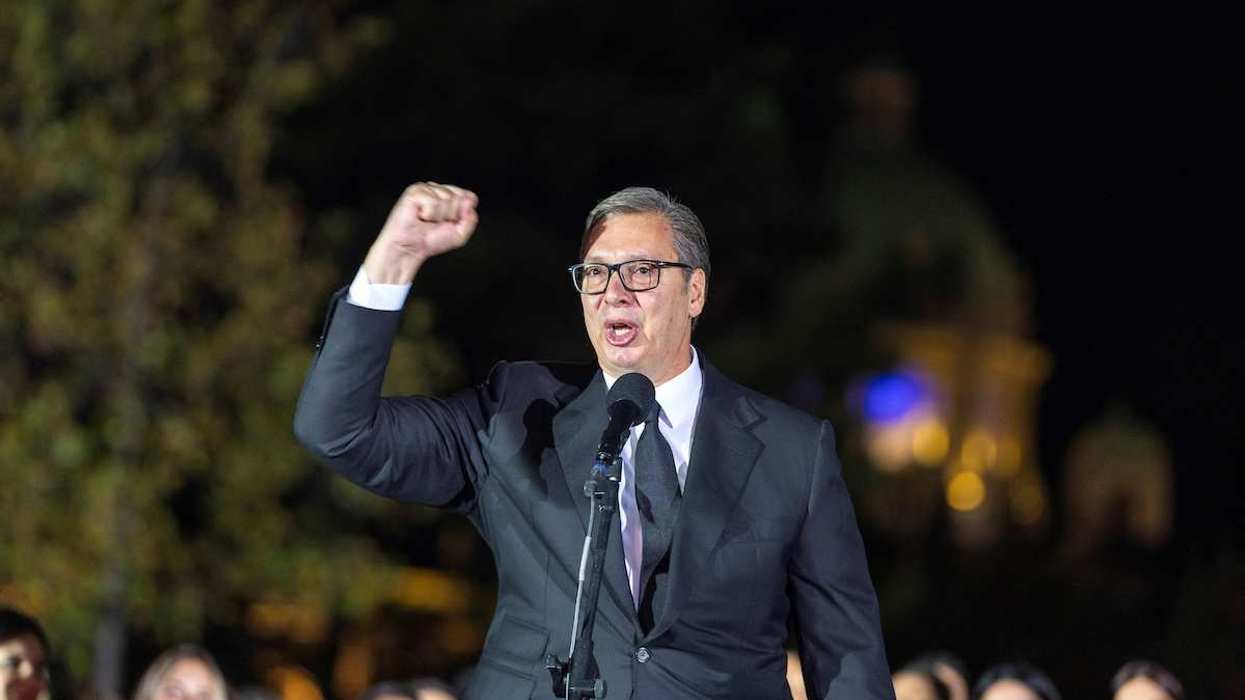
In a surprise announcement, Serbian President Aleksandar Vučić said over the weekend that he will resign within the next couple of weeks. Vučić has dominated Serbian politics since his party, the Serbian Progressive Party (SNS), took power in 2012, serving first as prime minister and then as president. His popularity has waned significantly since a 2024 train station tragedy killed 16 people and ignited nationwide anti‑corruption protests tied to poor infrastructure investments, leading to persistent calls for him to step down. Although Vučić is resigning, many believe the decision is strategic rather than altruistic – he is likely to try to run again for prime minister ahead of elections this fall, which will take place earlier than scheduled because of his resignation. His departure from the presidency may nonetheless improve Serbia’s prospects for joining the European Union, as EU officials have long criticized democratic backsliding under SNS leadership.
In Senegal, revenge is a dish served constitutionally
Senegal has been in the throes of a political drama for over a month, sparked by President Bassirou Diomaye Faye’s firing his ally-turned-rival, Prime Minister Ousmane Sonko. Seeking revenge for the move, the Sonko-aligned National Assembly on Monday adopted a constitutional amendment aimed at taking some power away from the presidency. Scores of Senegalese citizens protested the move outside the parliament as the vote took place, arguing the amendment will give the lawmakers too much power. The government said it would organize a referendum on the amendment – without giving a timeline. The amendment is expansive, and includes replacing the seven-member Constitutional Council with a new, nine-member Constitutional Court. The West African state of nearly 20 million people has been struggling with a debt crisis, which has only exacerbated these political issues.
US and Venezuela block oppo leader’s return
Exiled Venezuelan opposition leader María Corina Machado was reportedly blocked from returning to her country by both the US and Venezuela over the weekend. As Venezuela’s weak, cash-strapped government continues to struggle with rescue and recovery from last week’s devastating earthquakes, Machado announced she would return to help. That apparently irked US officials, who reportedly saw it as a “stunt.” Machado remains popular in Venezuela. Her party’s candidate is believed to have won the 2024 Venezuelan presidential election, although strongman Nicolás Maduro claimed victory for himself. Still, despite her lavish courting of Donald Trump – she even gave her Nobel Peace Prize to him – the US has sidelined Machado since removing Maduro in January, preferring instead to work with his deputy, Delcy Rodríguez. As of Tuesday morning, the death toll from the quakes had surpassed 1,700, with thousands believed still to be under the rubble.