China rebuffs US economic threats over Iran
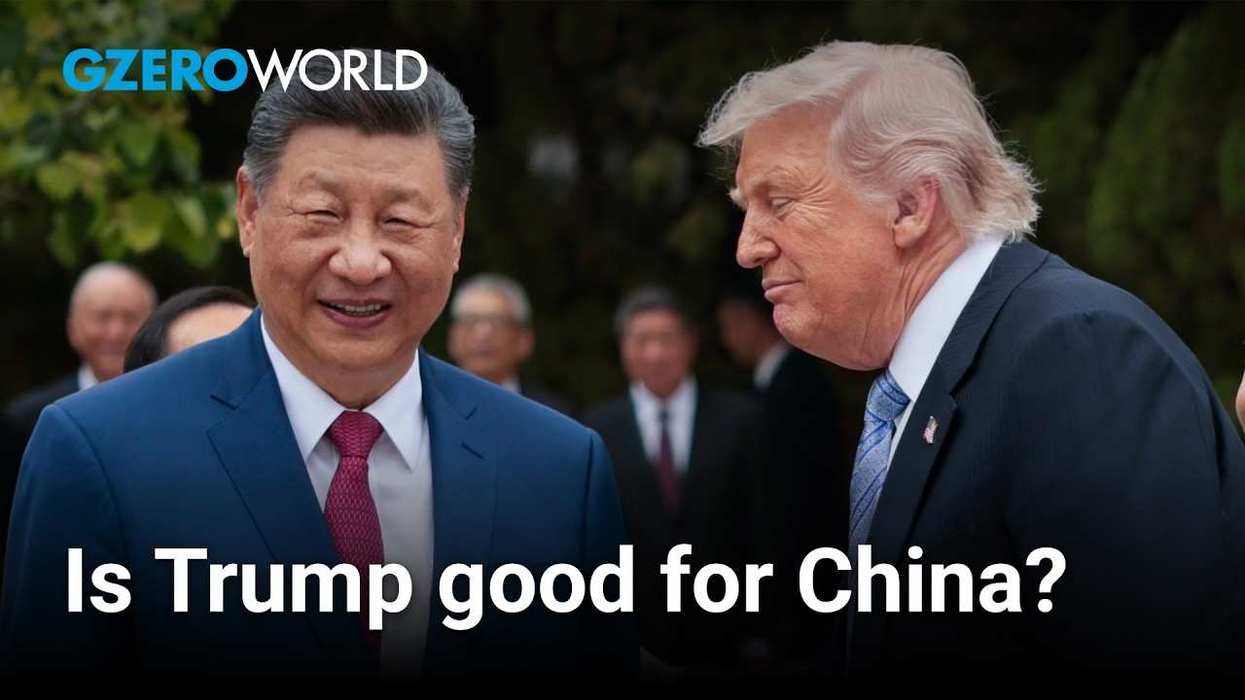
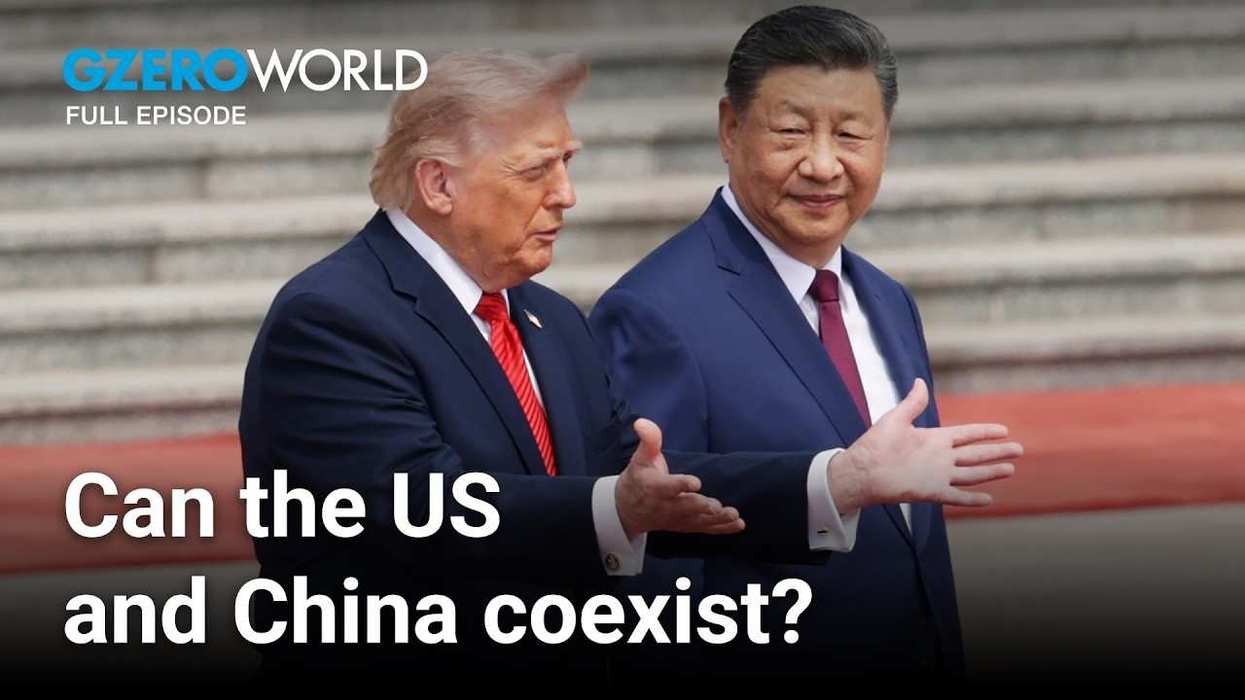
Earlier this week, US President Donald Trump threatened “tremendous economic consequences” for countries that do business with Iran as Washington tries to squeeze Tehran economically. China, Iran’s biggest trading partner, quickly rejected the warning. On Thursday, Beijing said that US pressure would not work. China has defied Western sanctions for years and buys as much as 90% of Iran’s oil exports. Some Iranian oil has continued to reach China despite restrictions on shipping through the Strait of Hormuz. The greater risk, then, may be for Washington and the impact of those threats on its relationship with Beijing. As Ian Bremmer recently noted, the US and China are already in a fragile détente after last year’s trade war, during which Beijing cut off exports of critical minerals. With Xi Jinping set to meet Trump in Washington next month, US threats over China’s ties with Iran could add another layer of friction to an already shaky relationship.
Botswana acts to keep citizens off Russia’s front lines
Botswana is cracking down on efforts to recruit its citizens to fight for Russia against Ukraine. On Friday, the government said eight of its citizens were recently stopped from being recruited at airports in Botswana, Ethiopia, and South Africa. For months, several African countries, including Kenya, Zimbabwe, Ghana, and Botswana, have alleged that their citizens have been lured into fighting by shadowy efforts online, often under false pretenses and with promises of high-paying jobs and hefty signing bonuses. Botswana has identified 22 who have been successfully recruited. One recent investigative piece by the New York Times revealed that some Africans are pressured into signing vague contracts written in Russian before being deployed to the front lines. The recruitment comes as Russia is increasingly low on manpower: casualties surpass 1.4 million by some estimates.
Could Brazil be the new China for rare earths?
Brazil is emerging as an alternative to China’s dominance in the rare earth elements (REEs) market, as foreign investment flows into the country’s mineral resources. A new analysis of mining permits from the Associated Press found that applications, largely from the US, Canada, and Australia, had surged in the last three years, with 42% submitted by or linked to foreign ownership. The market for rare earths, which are essential for products ranging from AI and missiles to smartphones, has historically been dominated by China, which accounted for around 60% of rare earth mining and 91% of rare earth refining in 2024. As a result, prices are highly sensitive to decisions in Beijing. Earlier this month, prices of erbium, an REE commonly used in fiber-optic cables, surged amid fears that China would tighten export controls. Brazil’s move could help diversify the market, but it also faces obstacles. Indigenous communities and environmental groups have raised concerns about the climate impact in a country that is home to much of the Amazon rainforest, often referred to as the world’s “lungs.”