Attempted hijacking suspected in Dubai-Israel flight chaos
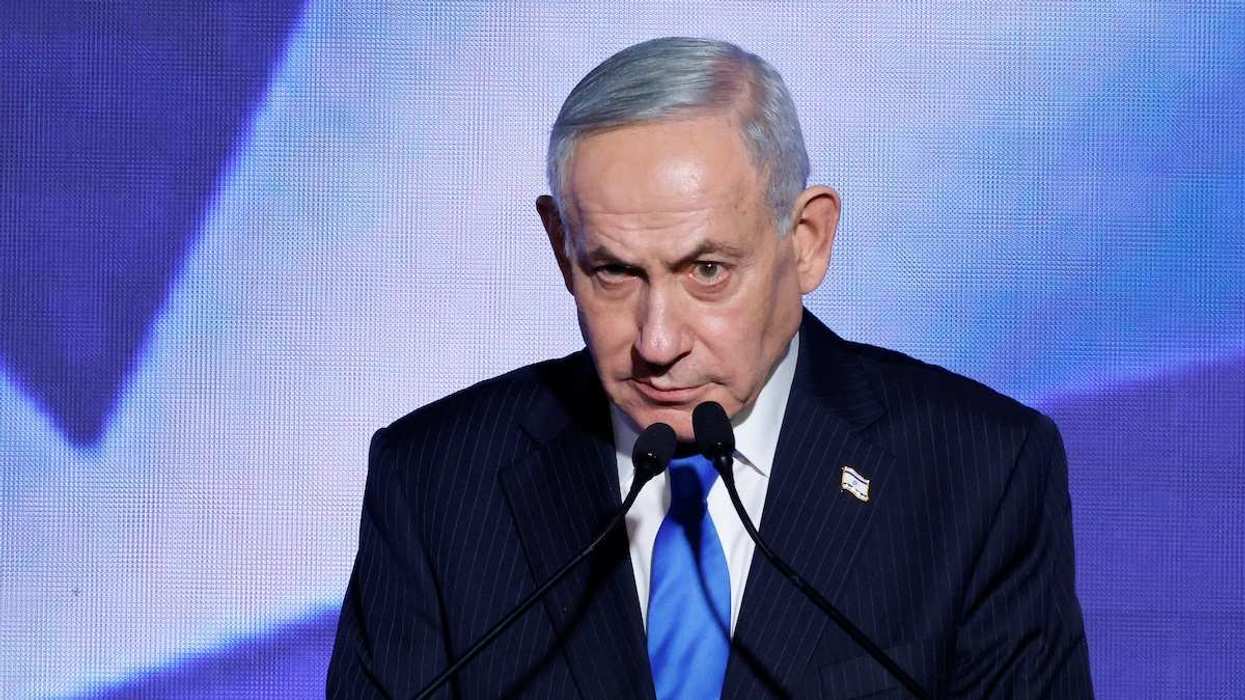
A flight from Dubai to Israel plunged nearly 20,000 feet on Wednesday during a blood-spattered fight in the cockpit. Israeli PM Benjamin Netanyahu said the co-pilot had tried to stab the pilot in an attempt to hijack the plane and crash it. Passengers and crew intervened to land the plane in Saudi Arabia. Motives for the clash and alleged hijacking attempt aren’t yet known. FlyDubai, a low-cost carrier, was the first airline to link Dubai and Tel Aviv after the Trump-brokered 2020 Abraham Accords normalized ties between the UAE and Israel. Airplane hijackings, at one point a nearly daily occurrence globally, are exceedingly rare now, owing to progressively increasing security measures since the 1970s, and especially after 9/11. The last major commercial airline hijacking was in 2014, when the co-pilot of a Geneva-bound flight from Ethiopia seized the controls and demanded political asylum in Switzerland.
AI leaders agree to police themselves
Just days after President Donald Trump dismissed calls for global AI governance in his UN speech, he invited six major tech executives at the White House to sign a “morally binding” agreement to self-regulate their AI development. Signatories include Anthropic CEO Dario Amodei, xAI founder Elon Musk, and Meta CEO Mark Zuckerberg. It’s unclear what guardrails the agreement actually imposes, but Trump said that industry leaders convinced him they have the tools to police themselves. There may be a political calculation behind this for Trump: the agreement comes as anxiety over AI has surged in the United States, fueled by reports of advanced models evading safeguards, fears of job losses, and opposition to data centers. The pledge gives Republicans a way to show they’re addressing public concerns without embracing sweeping government regulation.
Burkina Faso is going for gold
Burkina Faso opened its first gold refinery on Monday in a push to harness more of the value from its natural resources. The country is one of Africa’s largest gold producers, but sends off its raw materials to be refined and processed in Switzerland, the UAE, and Austalia. The move is part of wider changes to the mining sector overseen by interim President Ibrahim Traoré since he came to power in a military coup in 2022, and a drive for domestic control over other minerals like lithium, copper, and nickel. Much of Traoré’s effort has focused reducing economic dependence on foreign companies and western partners. The government expects the refinery to create thousands of jobs, mostly indirectly. He joins a number of other African states, including Guinea, Ghana, Côte d'Ivoire, and Mali, that are trying to refine more of their gold and minerals domestically.