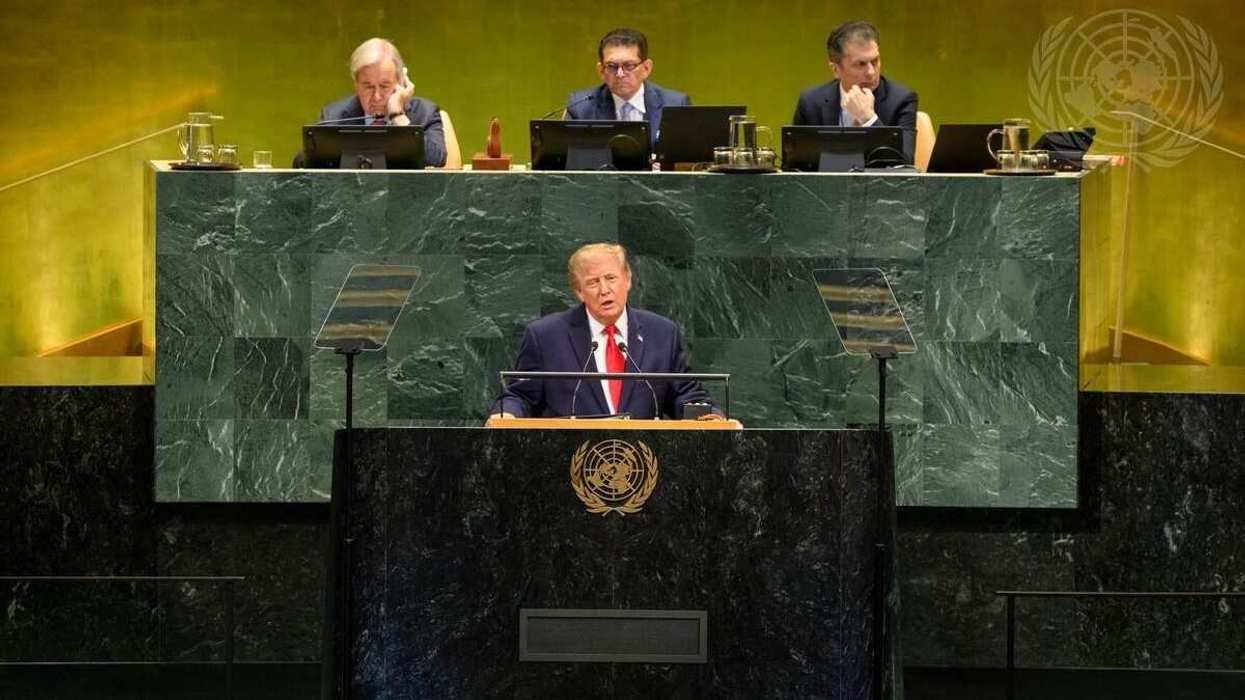
As Israeli Prime Minister Benjamin Netanyahu took the stage at the UN General Assembly yesterday, more than half of the delegates in the room stood up and walked out. In fact, some entered the assembly hall minutes beforehand only to walk out when Netanyahu began speaking.
After the walkout, he proclaimed, “If there are any other moral cowards who haven't yet left this hall, please do so now.”
Nearly three years after the Hamas October 7 attacks, Israel finds itself in an unusual position: extraordinarily powerful militarily, but increasingly isolated diplomatically.
“Israel today is at one of the most isolated stages in its history,” says Yaakov Katz, author and former editor-in-chief of The Jerusalem Post. As we reported this summer, views on Israel have soured dramatically around the world in the past few years.
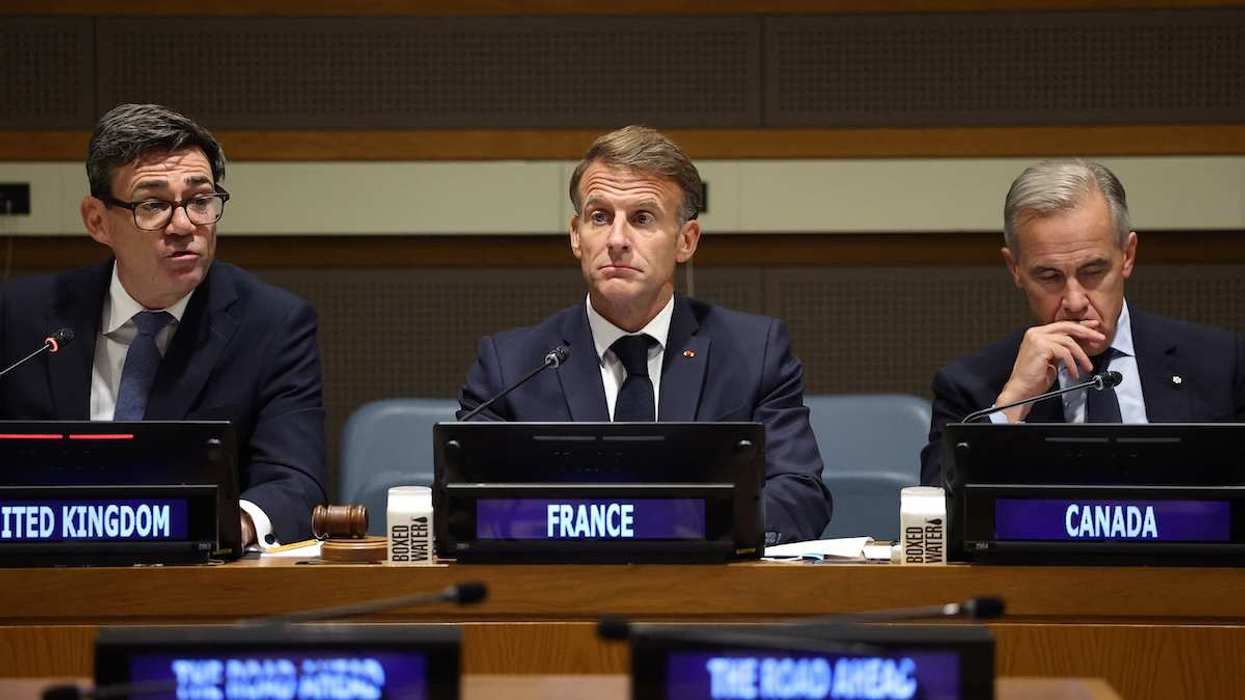
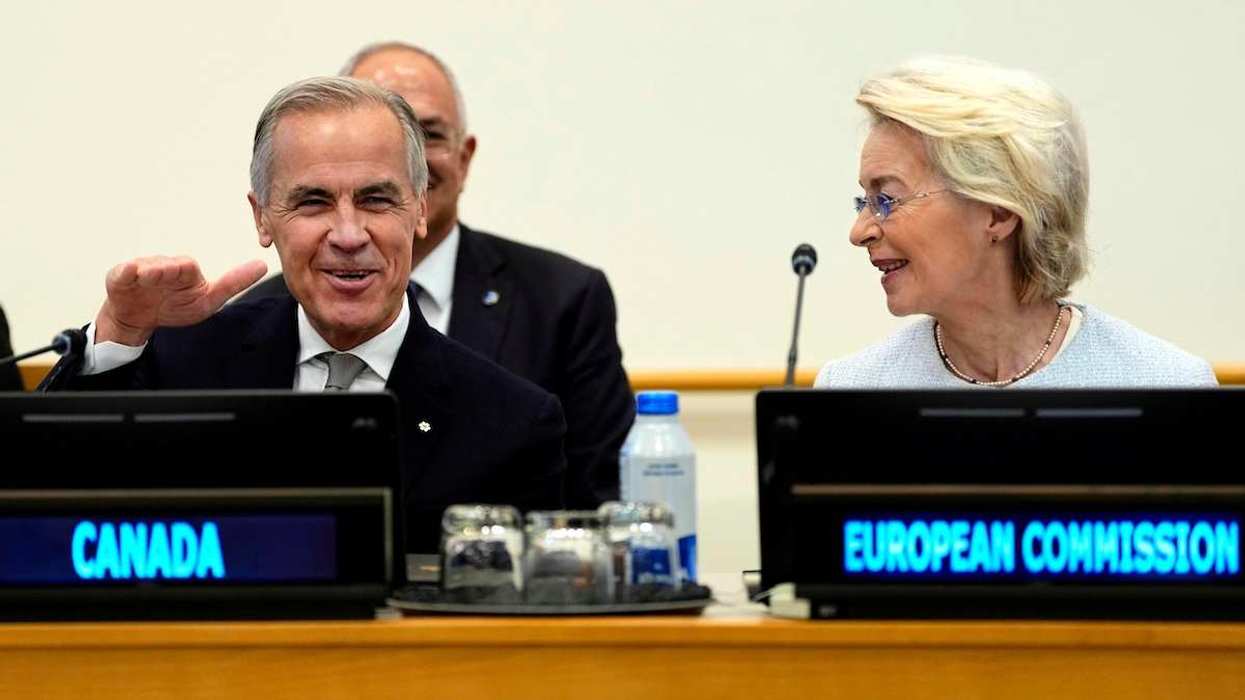
Losing friends and allies. Much of that shift stems from Israel’s conduct in Gaza and settler violence in the West Bank. European governments, for example, have grown increasingly critical both. The United Kingdom, France, and others recently imposed sanctions targeting goods produced on settlements, while Spain, Ireland, Norway, and others have moved to recognize a Palestinian state.
Dan Arbell, a former Israeli diplomat who served as deputy chief of mission at Israel’s embassy in Washington, says that shift matters. EU sanctions on imports from Israeli settlements won’t have material impact on the Israeli economy, but countries that previously would compartmentalize their relationships with Israel – that is, put aside perceived Israeli transgressions in Palestine in favor of a strong economic, diplomatic, or military relationship – are finding it harder to do so as public opinion forces their hand. Spain, for example, signed a massive defense deal with Israeli manufacturers as recently as 2023. Then last year, it canceled the deal, and just this March it withdrew its ambassador from Israel.
As Katz notes, the risk is that symbolic measures begin to snowball from targeted sanctions into restrictions that affect trade, investment, weapons supplies, or diplomatic cooperation more broadly.
Views of Israel have also shifted in the United States, Israel’s most fervent supporter. While the US government remains supportive -- and even recently approved nearly $3 billion in arms sales to Israel -- polling shows a public shift. For the first time since Gallup began asking the question annually in 2001, more Americans now feel more sympathy for Palestinians than for Israelis.
Arbell says Israelis are aware of those changes in the US and Europe, but they receive surprisingly little attention at home. International criticism is often seen through a familiar Israeli lens: the world has been hostile before, and it will be hostile again. Members of Netanyahu’s government, Arbell argues, have reinforced that sentiment by portraying foreign criticism as evidence that Israel cannot depend on outsiders.
“We do not wait for others to wake from their moral slumbers,” Netanyahu said during his UN speech.
Yet, Israel isn’t friendless either. While traditional relationships have deteriorated, Israel has looked to deepen others, no matter how small the country. Israel and Morocco recently agreed to upgrade their diplomatic missions to full embassies and expand economic ties and direct flights. Israel strengthened relations with Slovenia, which this month hosted the first visit by an Israeli foreign minister in 16 years as the two countries expanded political and economic cooperation. Israel has also cultivated relationships with sympathetic governments in Latin America, small Pacific nations, and even Somaliland, a breakaway state in the Horn of Africa Israel recognized as sovereign last year.
Arbell sees those efforts as another side of Israel’s changing diplomatic position. As traditional support becomes less reliable, Israel wants to shore up partnerships wherever it can. And at the United Nations General Assembly, as he points out, the diplomatic value of a small country's vote, like a Pacific Island, is the same as that of any superpower.
The stakes at home. Israelis go to the polls on October 27 for their first national election since the October 7 attacks. The vote will determine whether Netanyahu extends his stay as prime minister or if a new coalition takes power. His Likud party and far-right coalition are trailing in the polls, and he faces long-running corruption charges that could land him in jail if he loses next month.
But despite the deterioration in Israel’s international standing, it’s unlikely to swing many votes. “Israelis have gotten used to being isolated and having the world against [them],” Katz said. Israelis recognize that attitudes abroad have changed, he added, but many see the shift through the prism of anti-Israel sentiment and antisemitism.
Netanyahu’s supporters are unlikely to abandon him simply because of criticism from European governments. If anything, it may give him more fodder for campaign speeches to double down on his point that Israel is alone in the world and needs his government to lead it through this fight. His opponents, on the other hand, can point to Israel’s deteriorating standing as another argument for replacing him.
Netanyahu recognized that his UN speech offered an opportunity to lean into that sense of isolation. Speaking to the world, he cast Israel as a country under pressure from abroad but with little choice except to stand its ground. “We’re going to win,” Netanyahu said. “We have no other choice.”