Search
AI-powered search, human-powered content.
scroll to top arrow or icon

AI’s role in wildfire detection, healthcare, and education

From detecting wildfires before they spread to giving doctors more time with patients, AI is opening new possibilities for how technology can serve the public good.

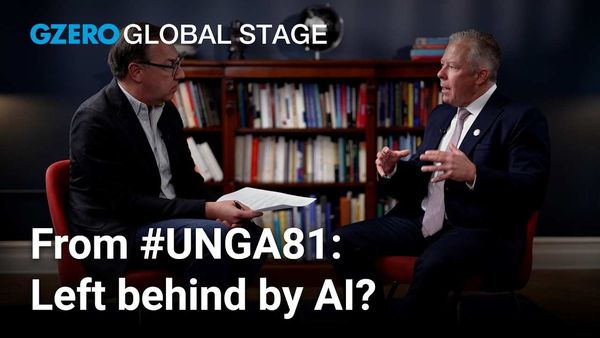
Speaking on a Global Stage panel during the 81st UN General Assembly, Microsoft Vice Chair and President Brad Smith explores how AI is being applied across climate, health care, and education.


Smith highlights a system developed with the University of California San Diego that uses AI-enabled cameras on forest watchtowers to detect wildfires, helping first responders act more quickly.

In health care, AI can draft notes from patient conversations, giving doctors more time to focus on their patients. In education, Smith discusses Microsoft’s agreement with the American Federation of Teachers to prevent AI tools from fostering emotional dependence among students.

“The most important relationships in a classroom,” Smith says, should remain between students, teachers, and classmates, arguing that technology should support human connection, not replace it.

This conversation is presented by GZERO Media in partnership with Microsoft. The Global Stage series convenes global leaders for critical conversations on the geopolitical forces reshaping our world.

More from Global Stage

Watch our Global Stage livestream from the UN General Assembly

Watch our Global Stage livestream from the UN General Assembly

Watch the recording of our livestream: How can a human-centered approach to AI help address some of society’s most pressing challenges while fostering inclusion, trust, and shared prosperity? Our livestream discussion, "Global Stage: Live from the 81st UN General Assembly" examines this key question, live from the sidelines of UN headquarters. Watch at gzeromedia.com/globalstage

Can AI work for everyone? ITU’s Fred Werner on closing the global AI gap

On the sidelines of the 81st United Nations General Assembly, GZERO Media’s Tony Maciulis sits down with Fred Werner of the International Telecommunication Union (ITU) to discuss the opportunities and risks shaping the next phase of artificial intelligence.

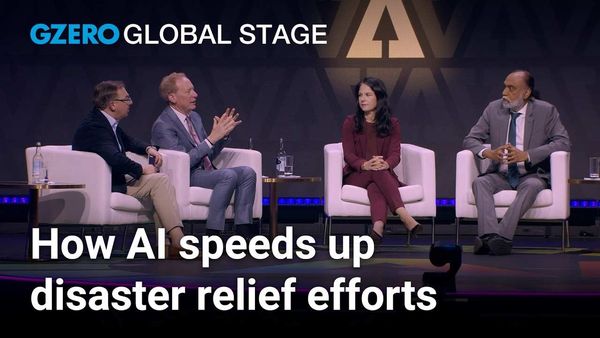
How AI speeds up disaster relief efforts

Artificial intelligence is becoming an increasingly powerful tool for disaster preparedness and emergency response. Speaking at the 2026 AI for Good Global Summit in Geneva, Microsoft Vice Chair and President Brad Smith explains how AI combines predictive modeling, satellite imagery, and public data to help governments identify vulnerable communities before disasters strike and respond more quickly when they do.

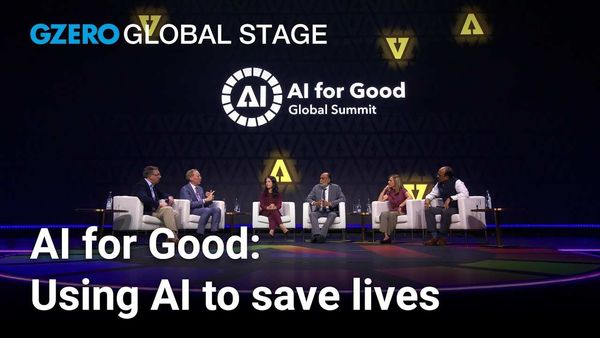
Can AI help solve global crises? Live from the AI for Good Global Summit 2026

As artificial intelligence rapidly reshapes the global economy, one question is becoming increasingly urgent: who will actually benefit? Recorded at the 2026 AI for Good Global Summit in Geneva, this special Global Stage conversation brings together leaders from the United Nations, Microsoft, and the scientific community to examine how AI can help tackle some of the world's biggest challenges, from disaster preparedness and climate resilience to humanitarian response and sustainable development.

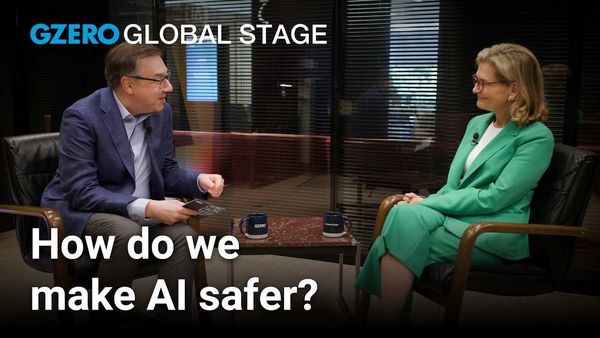
Building a safer, more equitable AI future

At the 2026 AI for Good Global Summit in Geneva, ITU Secretary-General Doreen Bogdan-Martin says the future of artificial intelligence depends on putting the right guardrails in place to ensure AI is developed safely, responsibly, and equitably.

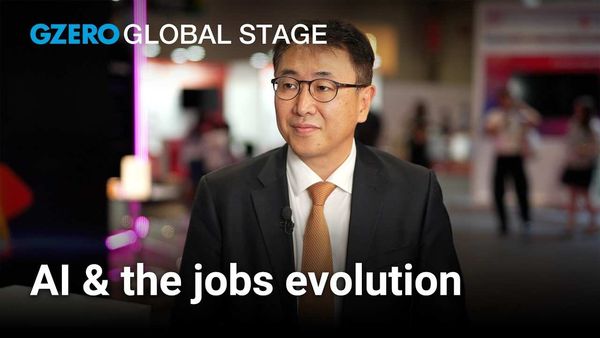
The World Bank Group's Sangbu Kim on AI and job skills

More than half of Americans believe their job is vulnerable to AI. The data tells a more complicated and in some ways more hopeful story.