The world’s middle powers are talking a great deal about the need to work together at the UN this week. French President Emmanuel Macron spoke of reviving multilateralism; South Korean President Lee Jae Myung talked about the “cherished value of multilateral cooperation”; British Prime Minister Andy Burnham discussed the need to “work together to solve the shared problems”; and Japanese Prime Minister Sanae Takaichi urged member states to “mobilize the collective strength” and “build a framework for cooperation.”
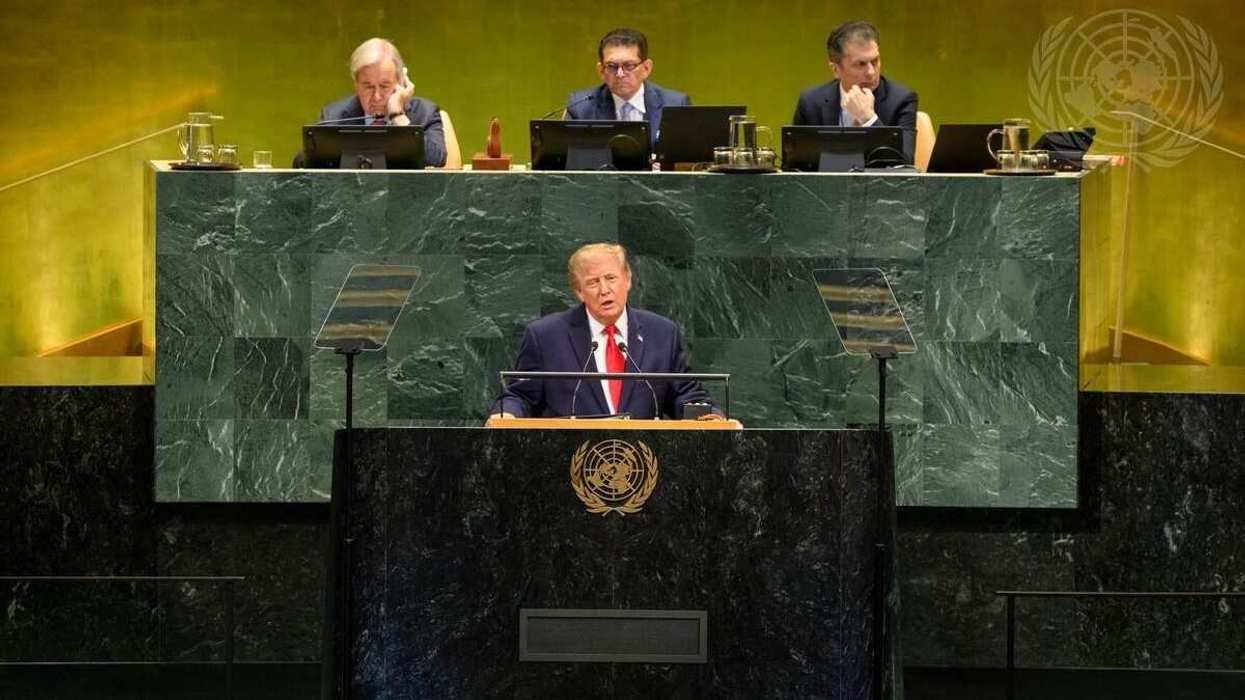
Their speeches stood in sharp contrast to the leader of the UN’s most prominent member country – the United States, who proclaimed at the podium that “there is no global government.”
The US and the world’s other major power, China, meet separately in Washington today, while the rest of the world converges at the UN in New York. For all the talk of building coalitions, the concept of “middle powers” that Canadian Prime Minister Mark Carney popularized in his speech at Davos earlier this year has yet to be clearly defined: without a distinct strategy agreed upon by these states – like Canada, France, Japan, Brazil, and others – it’s unclear whether they can drive change on priorities like AI, defense, and more.
The first challenge is that members of coalitions don’t always agree. Just yesterday, the EU agreed to lift sanctions on two Russian oligarchs after pressure from France to lift sanctions on one Russian politically valuable to them led Luxembourg to demand the same treatment for another – a move that left many other EU states unhappy. “The fact that you’re a middle power doesn’t mean you have the same views on everything,” said James Lewis, a senior fellow for American foreign policy at the Center on European Policy Analysis.
They also lack the coercive power of the US or China. This is particularly clear when it comes to conflict. For international issues like the wars in Ukraine and Iran, middle powers have offered financial, humanitarian, or military support, but have largely failed to drive resolutions. The day before Russia invaded Ukraine in 2022, the EU imposed major sanctions on the state, but were unable to prevent the invasion.
And for all the talk of alliances, it remains uncertain how much any group of states can escape the shadow of the US and China without a shared vision for doing so. “Individually each country has its strengths, but they haven’t found a way to combine them,” Lewis said.
But middle powers aren’t powerless. Canadian Prime Minister Mark Carney provides a clear example. After tariff talks with the US collapsed in August, Washington imposed a 50% levy on at least $20 billion worth of Canadian goods. Instead of capitulating, Ottawa responded by matching the tariffs. Among the last-minute US demands that sank the talks, Carney said, were restrictions on Canada's ability to forge new trade alliances – choosing to protect its independence over its relationship with the US.
As a collective, middle powers can also achieve the most when they don’t directly confront major powers like China and the US, Emma Ashford, a senior fellow at the Stimson Center, a think tank focusing on global peace and international security, argued. “The narrower the issue they focus on, the more likely they are to be successful.”
European defense is one example where states are increasingly working together. In July, ten countries, including France, Germany, and the UK, launched a joint anti-ballistic missile initiative on the sidelines of a Coalition of the Willing meeting in Paris, in light of growing fears over threats from Russia and declining confidence in the US’s military support. Ashford also pointed to ASEAN (The Association of Southeast Asian Nations), which she said has been “remarkably effective” – for example, trade tariffs within the group are essentially non-existent – because it focuses on “issues that matter to those countries” but not necessarily to the wider world.
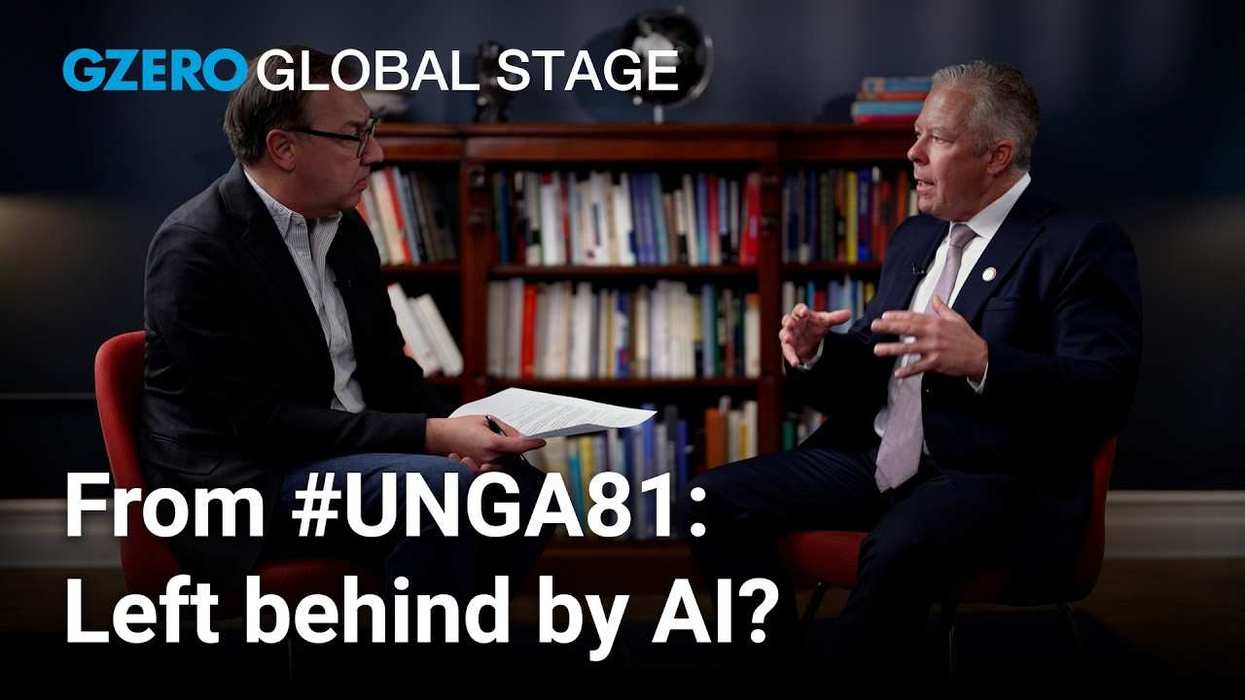
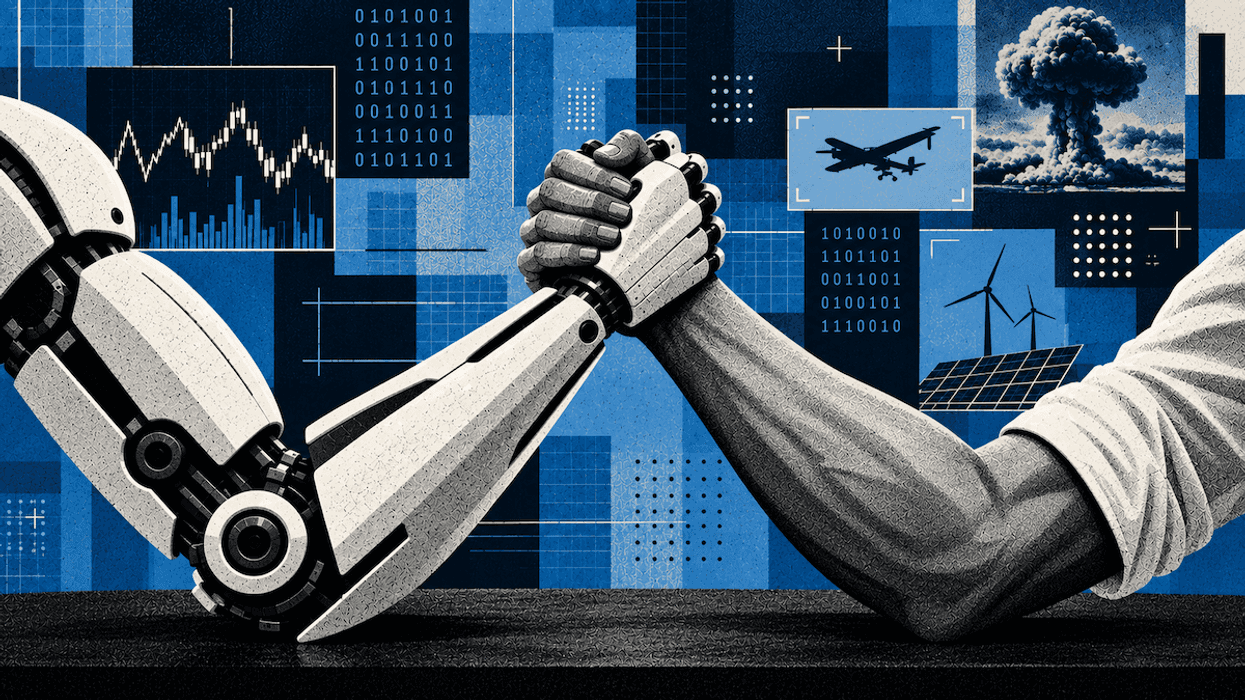
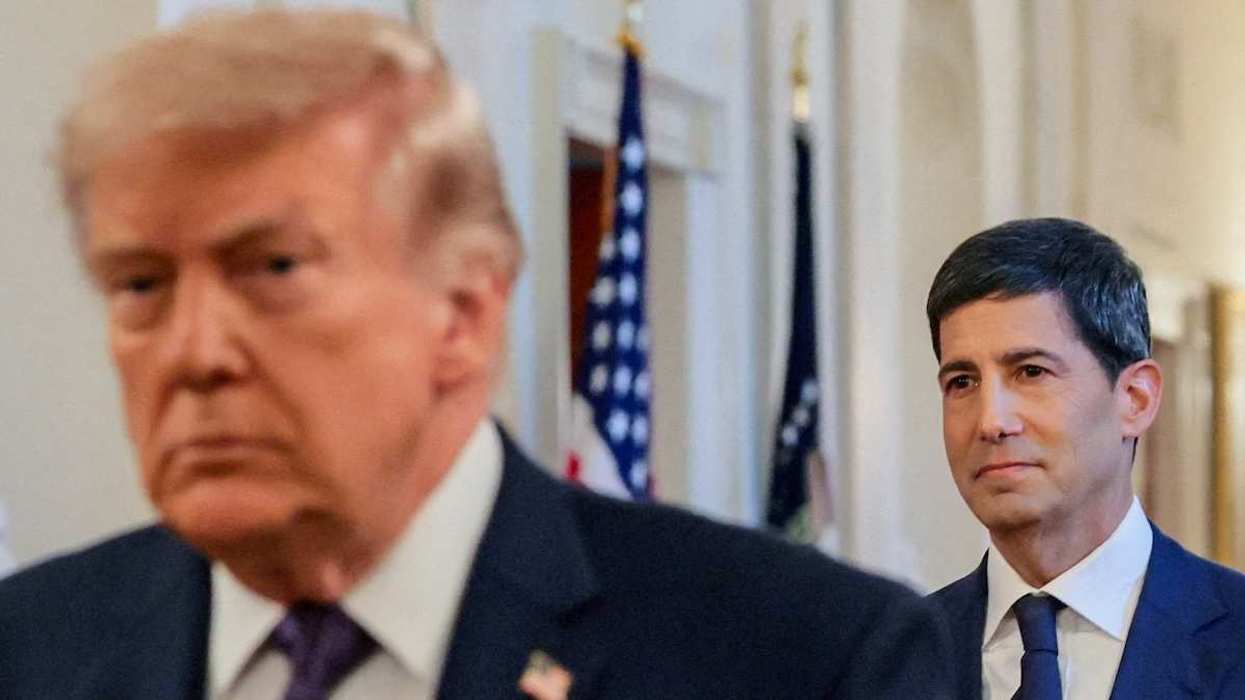
The long game. Despite middle powers seeking to reduce their reliance on the US and China, they’re unable to make major changes on things like AI independent of global superpowers. France convened a meeting at the UN Security Council yesterday to address the risks posed by AI, where leaders from OpenAI, Anthropic, and Hugging Face all warned about the technology’s threat to humanity. But neither the US nor China, the two leading powers in AI development who are locked in an AI race, are willing to slow things down. In his speech, Trump rejected any “any attempt to construct a globalist scheme to control” AI – or as he now calls it, “Super Intelligence.”
In order to effect change, “the middle powers have to persuade the US or China to change their minds,” Lewis said. But without the coercive power of a massive economy or military, they have little ability to do so.
Nevertheless, middle powers will be increasingly present on the world stage, Ashford said, contrasting the present with the Cold War, where two states held all the power. “Today, all these middle powers, the rest of the world, they're actually important economically, demographically, technologically, and so they're going to have a bigger say,” Ashford said. The combined economies of the EU, for example, challenge the size of the US or China’s.
This also means more potential for conflict. In his opening remarks on Tuesday, UN Secretary-General António Guterres warned multipolarity could slide into "fragmentation and transactionalism.” Or, as Ashford put it, more “small wars” and fewer “big wars.” Ultimately, the success of middle powers will be decided by what they can achieve, not what they talk about. “Just calling yourself a middle power doesn’t work,” Lewis said.