Diesel shortages fuel Transatlantic panic
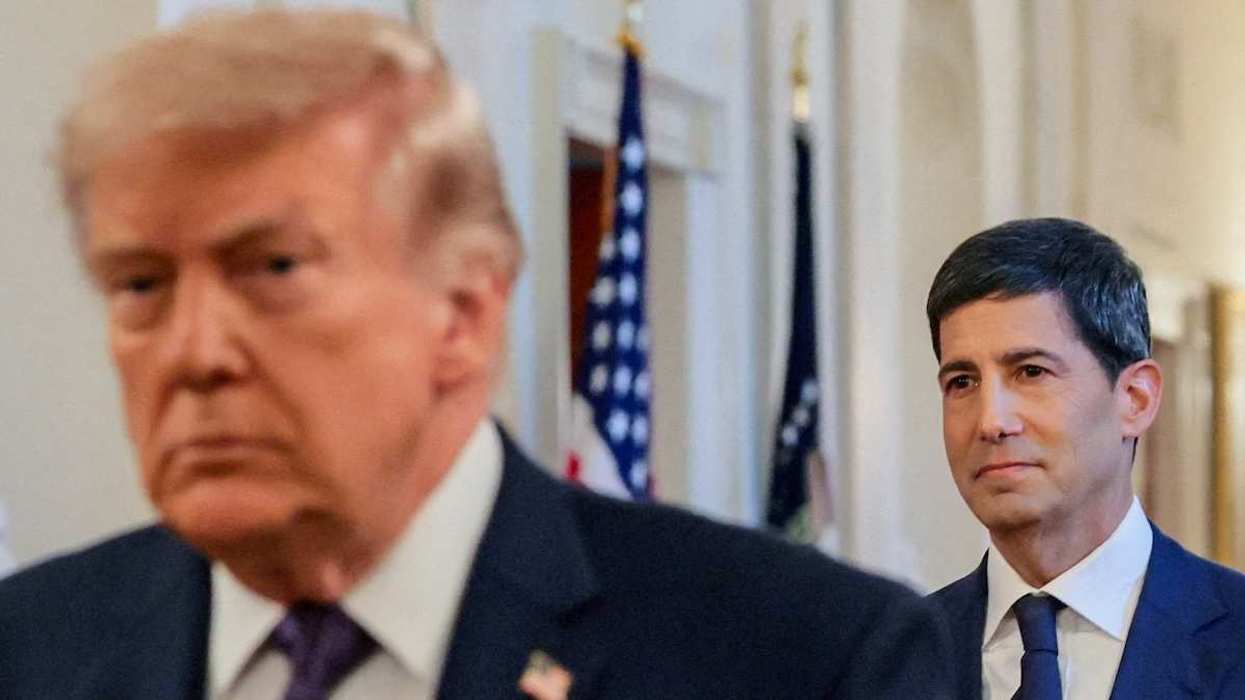
Prices for diesel, an essential fuel for heavy-duty shipping and farming, are at record highs in the US and Europe, leaving leaders in both places scrambling for a solution. Donald Trump has blamed Ukraine for striking Russian diesel plants, although data show the US-led war in Iran has deleted more than twice as much of the global diesel supply. US Republicans are pressuring Trump to restrict diesel exports in order to ease inflation ahead of the midterms, a move that the US hasn’t taken in more than half a century. Doing so would cause global diesel prices to soar – so far the White House has refused. Across the Atlantic, meanwhile, French President Emmanuel Macron wants to relax key EU environmental regulations in order to boost diesel supply, as concerns about inflation fuel the polling lead of French hard-right leader Marine Le Pen ahead of next year’s presidential election.
UK to give limited military help to Saudi Arabia
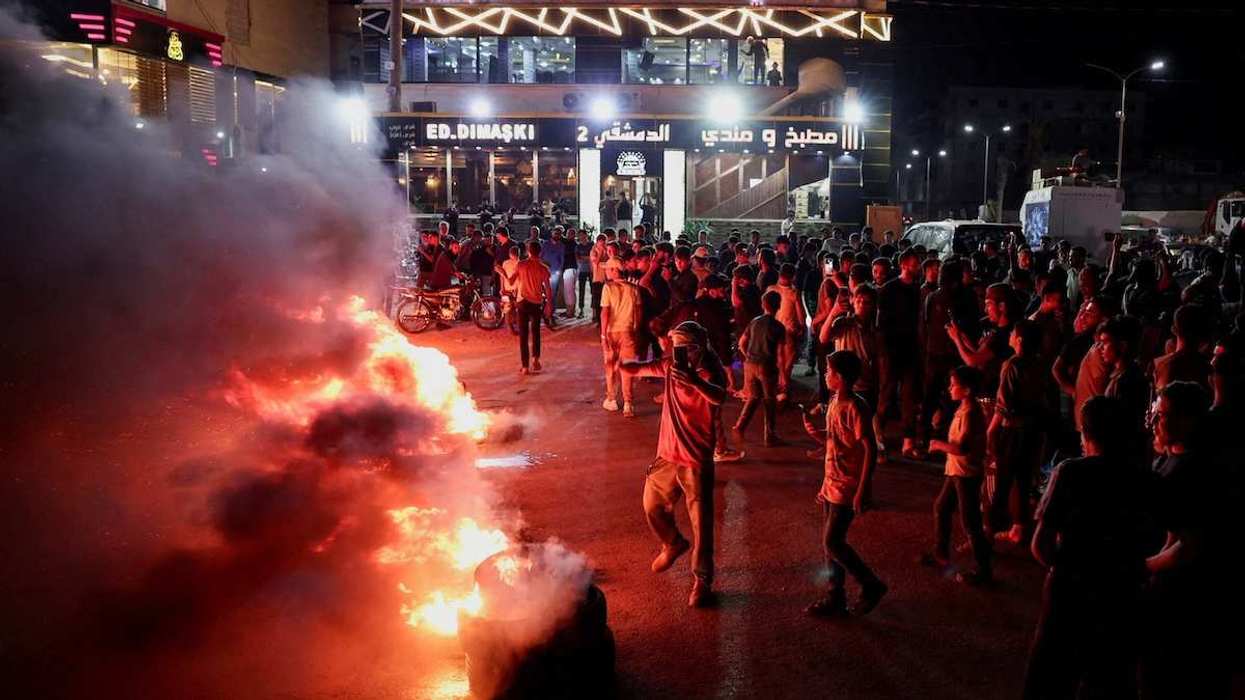
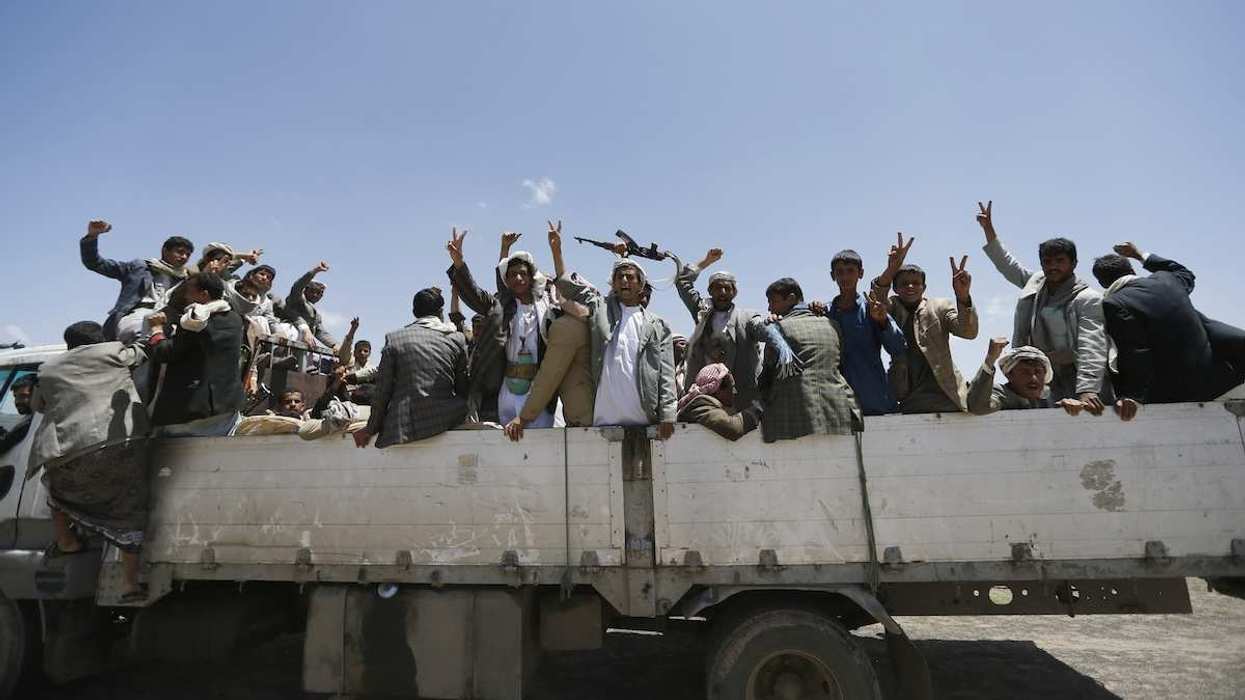
The UK will offer aerial refueling support to Saudi Arabia, allowing the Kingdom’s military planes to intercept incoming missiles and drones more effectively, amid increased attacks from Iran-backed Houthis in Yemen. In recent days, the Houthis have attacked Saudi oil infrastructure, launched airstrikes at the capital Riyadh, and moved to seize control over the Bab el Mandeb strait at the entrance to the Red Sea, a waterway that handles 12% of global trade. Prime Minister Andy Burnham said the move, one of his first major foreign policy decisions, was meant to secure Britain's interests in the region. His support comes after Riyadh was forced to look elsewhere for help after the US, Riyadh’s closest global partner, reportedly called off strikes against the militant group at the last minute over the weekend. Burnham is set to speak at the UN this afternoon and meet with US President Donald Trump for the first time this week.
Overreach or overdue? Brazil’s courts try to get criminals off the ballot
Brazilian prosecutors are using a controversial new interpretation of the law to ban people suspected of criminal ties from running in the October general election. So far nearly two dozen candidates have been scrapped. The approach is meant to curb the corrosive political influence of Brazil’s powerful criminal gangs and cartels. But it has raised alarm about due process and the power of Brazil’s courts, as several of those disqualified had no formal convictions of criminal involvement. The electoral power of Brazil’s courts is controversial, and debate over the issue could color perceptions of the upcoming election in which current left-wing President Luiz Inácio Lula da Silva — who was himself banned from running in 2018 over a corruption conviction — is in a nearly dead heat with Flávio Bolsonaro, a right-winger. Bolsonaro’s father, former president Jair Bolsonaro, is currently banned as he serves jail time for a plot to overturn the 2022 vote.