Fuel price protests rock Syria
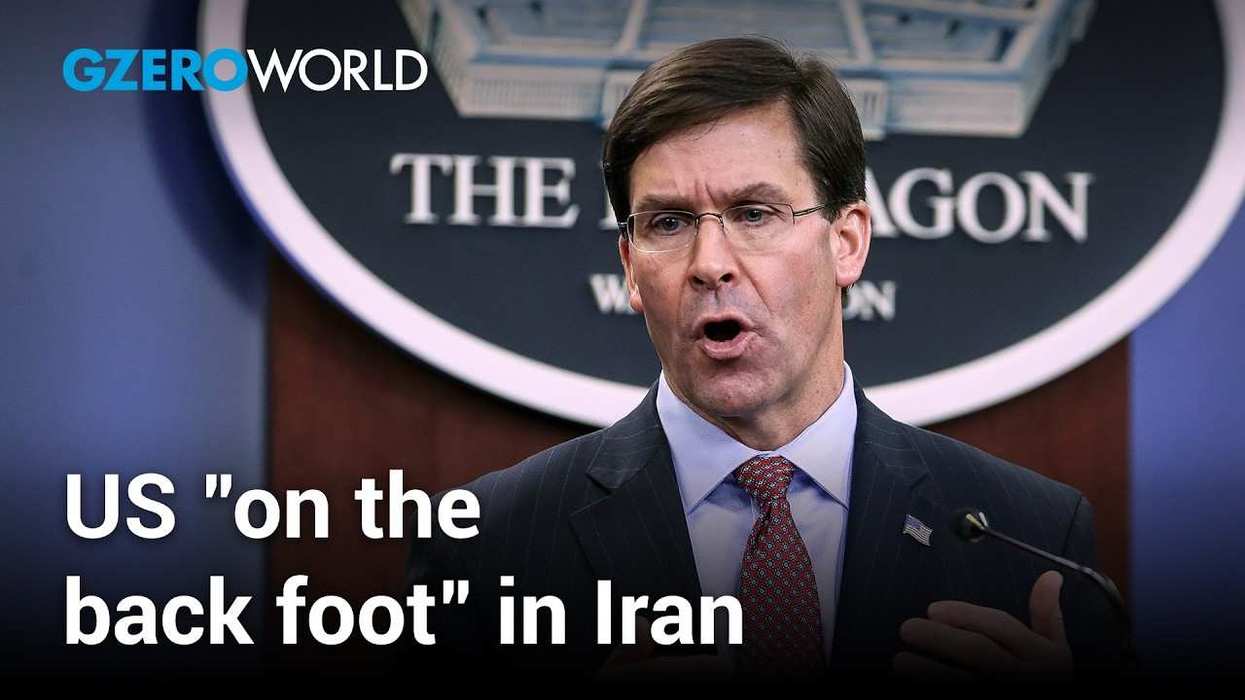
Protests rocked several regions of the country after the government on Sunday announced increases of up to 40% for diesel and 30% for gasoline. In Syria, fuels are priced and distributed by government-related energy companies. The price hike was a response to soaring oil prices caused by the war in Iran, as well as a long-term maintenance project that knocked one of Syria’s largest refiners offline. Syria’s oil industry, battered by years of war and neglect, currently produces about 100,000 barrels per day, covering barely a third of the country’s energy needs — and the rest is imported. The protests are the first instance of broad-based economic unrest on the watch of President Ahmad al-Sharaa, the former jihadist who overthrew the Assad dictatorship in late 2024. Since then he has been working to stabilize a country wracked by years of war, economic mismanagement, and Western sanctions, while also navigating the ever-treacherous geopolitics of the region.
China tells officials: “Now you’se can’t leave!”
Call it the Sonny LoSpecchio policy, from “A Bronx Tale” – Beijing has passed a sweeping new law that restricts foreign travel for higher level civil servants as well as private citizens who work in economically sensitive areas of technology or education. The government says the measure — which harkens back to the days before China began opening to the world in the 1990s — is needed to protect the country’s sovereignty and security. It comes alongside tightened export controls for tech more broadly as Beijing vies with the United States to dominate artificial intelligence and other frontier technologies. Beijing’s attention to protecting its trade secrets from prying eyes abroad has a certain irony to it: for decades China has actively, and in some cases clandestinely, drawn on outside technology and know-how to fuel its dramatic economic rise. Now, it seems, Beijing is becoming more protective of its own achievements.
Drought puts a squeeze on Panama Canal traffic
Worsening drought conditions brought on by El Niño are forcing the Panama Canal to reduce the number of ships allowed to pass through each day. The canal relies on water from Gatun Lake to fill its locks, but unusually low rainfall this summer has pushed water levels down significantly. Typically, an average of 36 ships pass through each day, but officials are lowering the target average to 29.5, with further cuts possible if rainfall doesn’t recover over the next three months. Around 5% of global maritime trade passes through the canal, including roughly 40% of US container traffic, making prolonged disruptions to normal traffic a potential headache for global supply chains. Traffic has also increased between 10% - 20% as conflict in the Middle East pushes shipping toward alternate routes. Panama is building a new reservoir designed to keep the canal operating through future droughts, but it is still at least five years from completion.