The last time America watched together
September 11 transformed what Americans watched, how journalists covered the world, and ultimately whom the public trusted to tell them about it.
The summer of 2001 was a slow one for journalists. It marked my first few months in the business, and I have long referred to that time as “the summer of shark attacks and Chandra Levy.”
Cable news had found its footing just a few years before, turbo-charged by the O.J. Simpson trial's round-the-clock drama, and it needed feeding. Shark attacks launched hundreds of reporters at beachside stand-ups from Florida to North Carolina, despite the fact that 2001 actually saw fewer attacks than the year before.
The disappearance of congressional intern Chandra Levy and her alleged affair with California Congressman Gary Condit had camera crews camped outside his apartment building constantly, as TV legal pundits offered endless theories on the mystery.
On the morning of September 11th, Levy's parents were reportedly on their way to tape an appearance on The Oprah Winfrey Show. It was, as Time later put it, a media ecosystem turning fear into “infotainment.”
Then the planes hit, and everything changed.
As I sat on my couch that night, seeing the endless loop of images from the day and able to smell the rancid electrical smoke coming from downtown Manhattan, I blasted my resume out to any station manager whose email address I could find. Two days later, I was working at MSNBC. One of my first assignments was to find a large wall map of the world that clearly showed Afghanistan. (That’s the truth.)
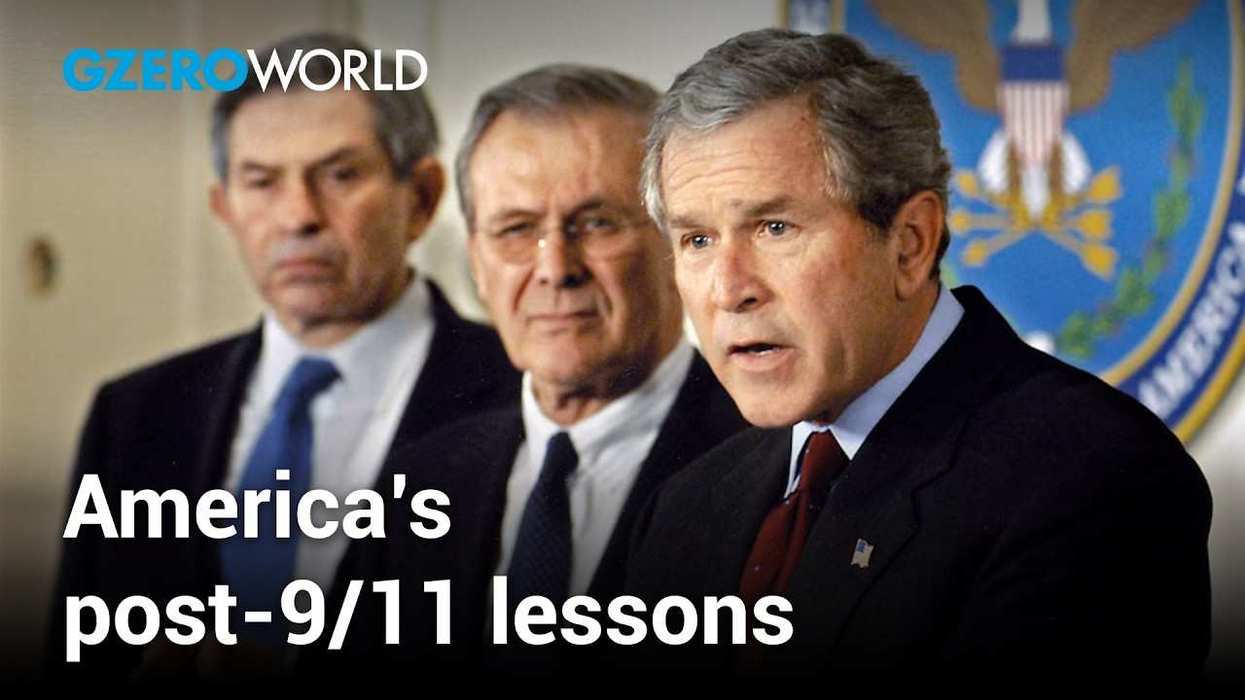
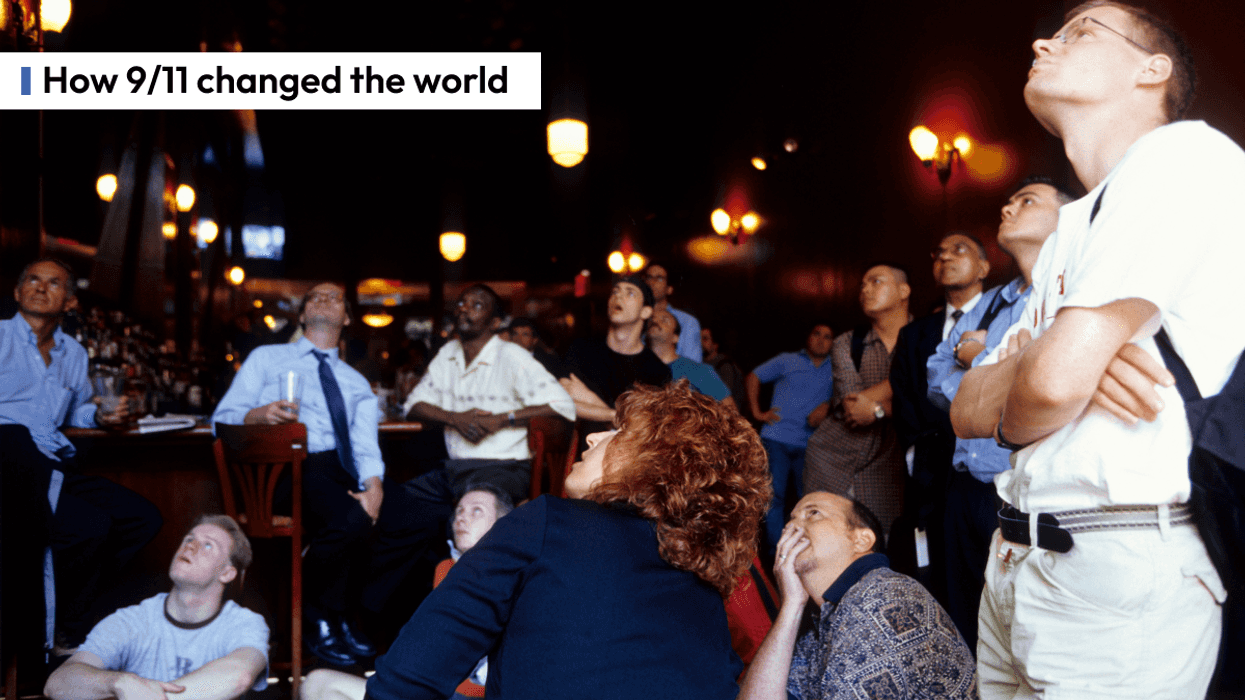
Broadcast networks aired wall-to-wall coverage for 93 straight hours after the attacks. In many ways, it was the last moment when Americans turned to network anchors for the gravity and authority they brought. But when those networks eventually returned to regular programming, viewers who wanted more came to cable, and largely stayed.
My time at MSNBC gave me a front-row seat to a historical shift. Story selection and coverage changed in an instant, but simultaneously the ever-expanding media landscape was eroding trust in the institution overall.
According to Pew Research data, the attacks led to a sustained increase in foreign policy and global conflict coverage on evening newscasts. After years of cutting foreign bureaus and pulling back from geopolitics, American media was suddenly reminded, at catastrophic cost, that the world doesn't wait for a slow news cycle.
Public trust in the press also briefly surged in the aftermath of 9/11. According to Gallup data, 89% of Americans said the media’s coverage was good or excellent. But then began a long, largely unbroken decline.
In the 1970s, roughly 70% of Americans trusted the mass media to report the news fully and fairly. By the late 1990s, that had slipped to around 53%. It briefly held there in the early 2000s before falling below 50% in 2004, and it has never recovered. Today, only 28% of Americans express a great deal or fair amount of trust in mass media, an all-time low.
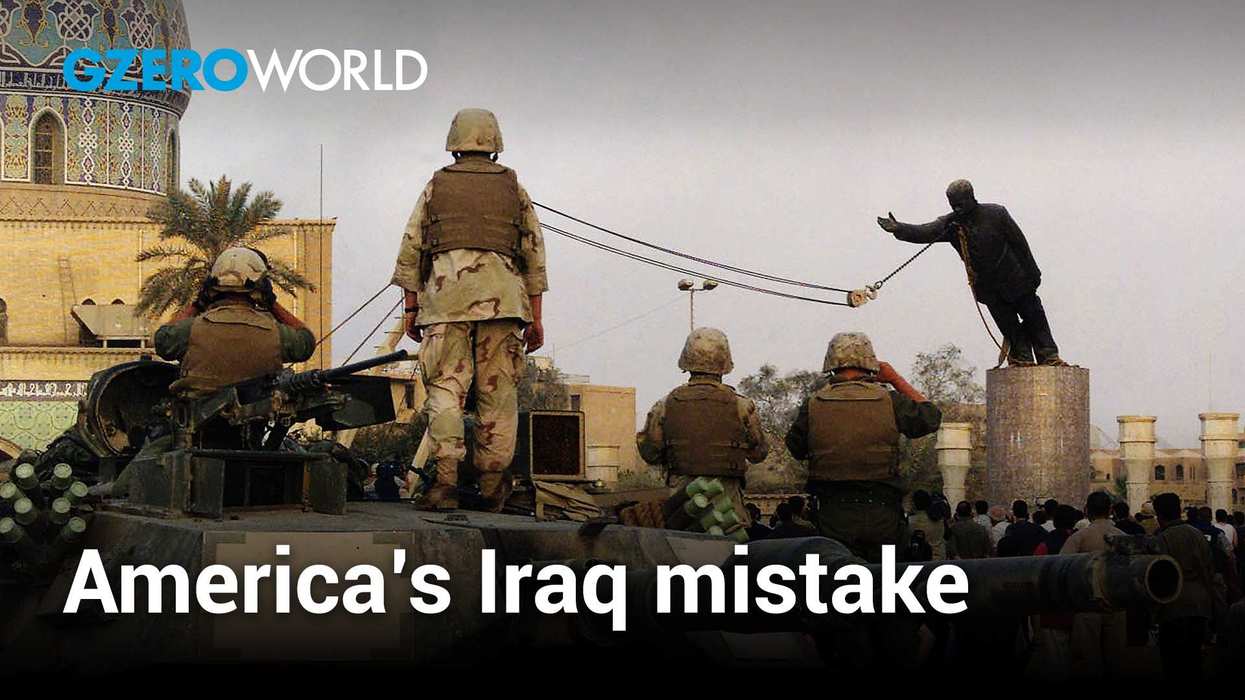
The attacks on 9/11 united us in ways I hadn’t seen before or since, but as the years of aftermath unfolded, a patriotism vs. skepticism schism began to grow. I remember in the weeks leading up to the US invasion of Iraq looking up at the monitors in our control room to see a segment on “freedom fries” airing on Fox News, as an MSNBC anchor was about to interview a Code Pink anti-war activist.
More than 20 years later, those ideological divides are even more present in many publications and programs. On September 11, 2001, 90% of Americans said their primary source of news was television. Just 5% cited the Internet. Today, more than half of the population gets its news from social media. Filter bubbles, algorithms, and echo chambers are the new broadcasts of our time, offering countless choices about whom to believe and what to believe.
The attacks didn’t cause that change, but they set in motion forces that are still at play today. September 11th also marked the end of the long era of collective experience, decades of gathering around a television and watching the same events in real time as tens of millions of others.
Just as the global goodwill extended to America on 9/11 would prove fleeting and evaporate in the smoke of the Iraq war, so too did the credibility the media had earned by covering that day with such gravity. Both are still waiting to be reclaimed.