One in, one out, all done: UK and France scrap migration pact
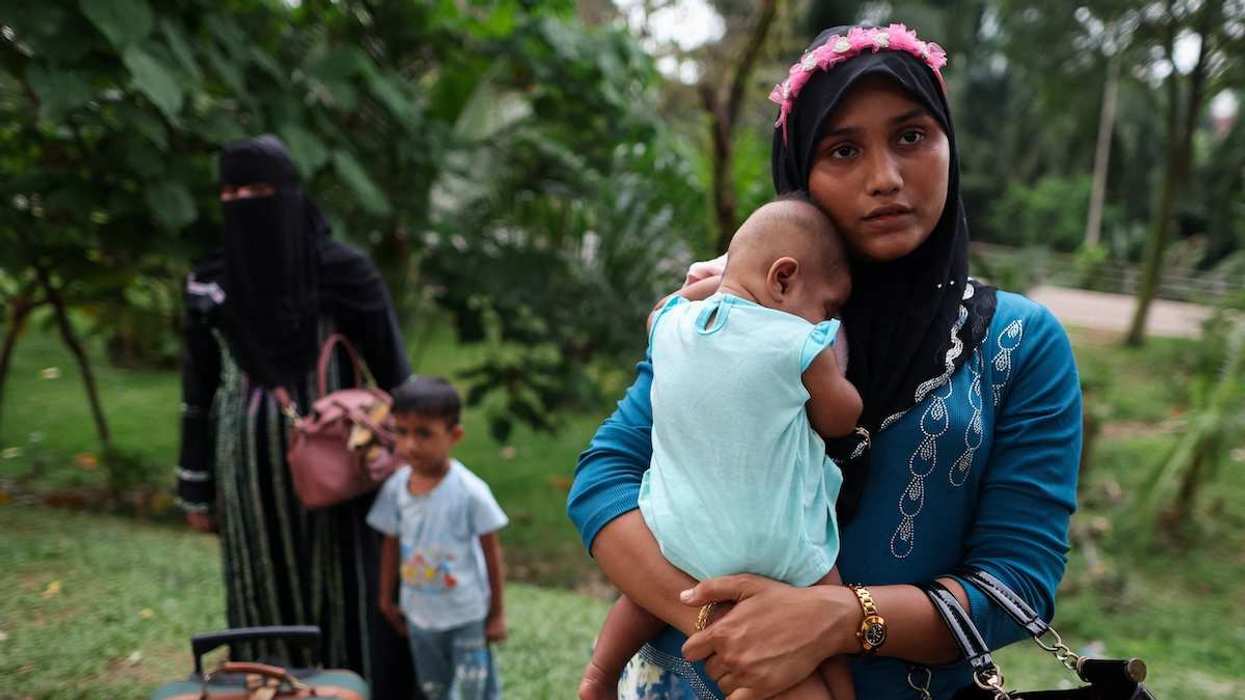
Last year the two countries struck a landmark deal to reduce the number of asylum seekers crossing the English Channel from France in small boats: for each undocumented migrant that the UK returned to France, British authorities would accept an asylum applicant with known family links in Britain. More than 1,400 people were officially returned to France under the scheme, which was criticized by some NGOs for alleged maltreatment of some detainees. But the deal has now collapsed. France says it prefers a wider agreement between the UK and the EU, rather than having to process all of the channel-crossing returnees itself. “Why do we have to manage this border on our own?” the French foreign minister recently asked. Channel crossings by undocumented migrants are down about 40% this year, amid a significant decline of irregular crossings into Europe more broadly this year.
China and Brazil are beefing
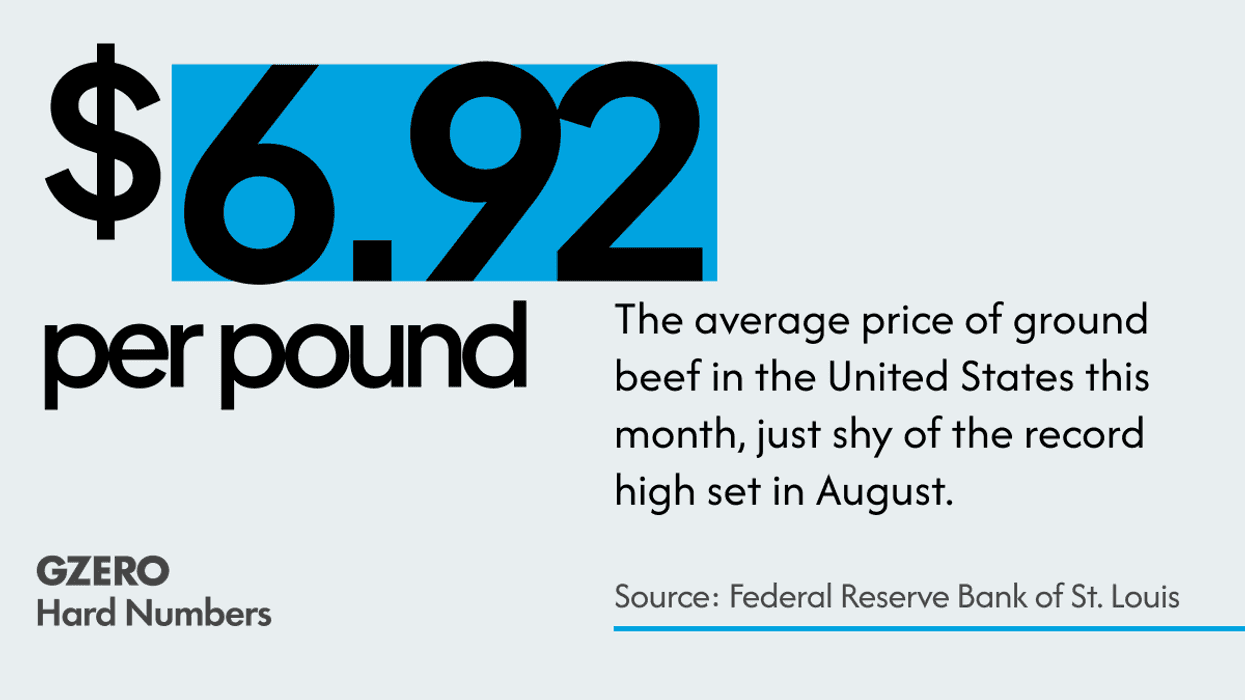
Brazilian beef just got a lot more expensive in China. Starting today, Beijing is slapping an additional 55% tariff on Brazilian beef imports after the country hit its annual import quota of 1.1 million metric tons. China introduced the quota system this year to protect its domestic cattle industry after becoming the world’s largest beef importer. That could sting Brazil, the world’s largest beef exporter, where the industry accounts for nearly 4% of total export revenue. It could also damage trade relations with China, which is Brazil's largest trading partner – China buys nearly a third of all Brazilian goods. Brazil isn’t alone: Australia has also hit its beef quota, meaning it will soon face higher tariffs too. But their loss could be America’s gain. US ranchers are increasingly looking overseas for buyers as high beef prices have weakened demand at home.
English football drama becomes test of UK-UAE ties
An independent commission found Manchester City guilty on Tuesday of using “sham” commercial contracts to inflate its revenue and cut costs by nearly $1.2 billion. The decision could bring hefty fines, points deductions or even the famed football club’s expulsion from the Premier League. But the fallout extends beyond the pitch. Sheikh Mansour, the UAE’s vice president and a member of its royal family, owns the club — and there’s talk he could sell it over the scandal. That has Britain’s new prime minister and former mayor of Greater Manchester, Andy Burnham, worried. Since buying the club in 2008, a group led by Mansour has invested roughly $1.7 billion in Manchester and given an economic boost to a once-polluted industrial hub. The UK has also courted UAE investment, including from a nearly $400 billion sovereign fund overseen by Mansour. Burnham will be reluctant to let a football scandal complicate ties with an oil-rich ally.