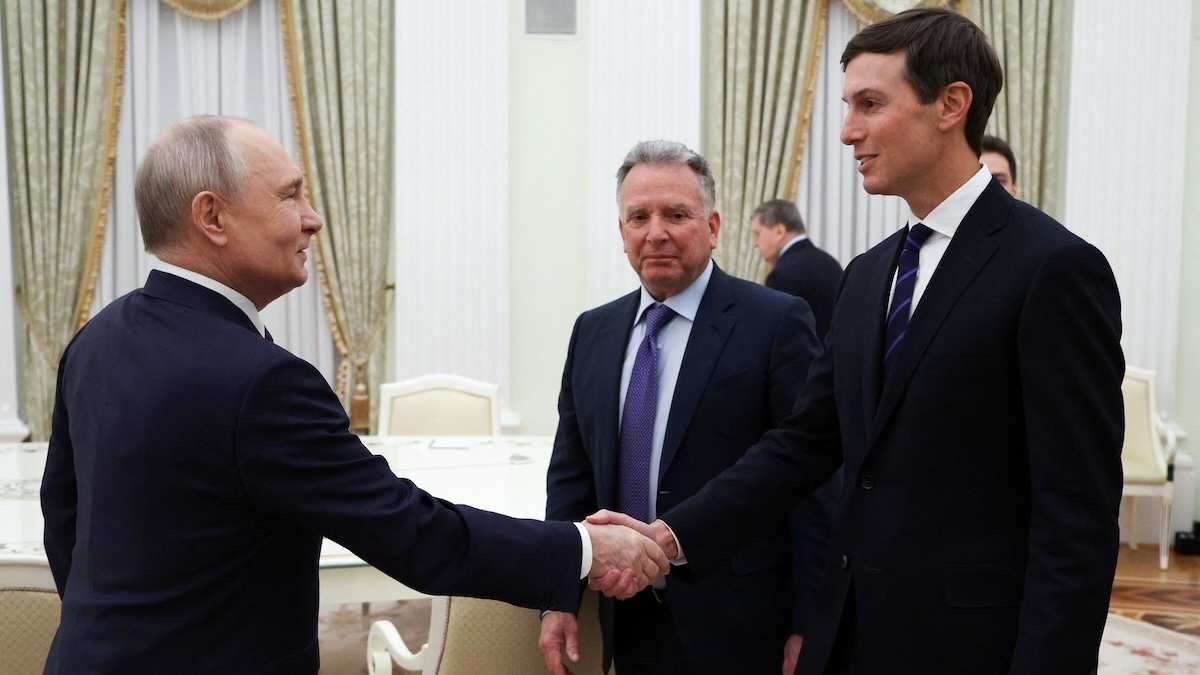
A weak week in Ukraine diplomacy
A whirlwind week of Ukraine diplomacy yielded only the faintest breeze of progress. First, US, Russian, and Ukrainian officials met in Abu Dhabi. Then US envoys met with Vladimir Putin in Moscow, while Volodymyr Zelensky huddled with European leaders in Ireland. The most tangible breakthrough was a major prisoner swap. Beyond that, deadlock persists: Ukraine wants a ceasefire before any final peace agreements, and rejects Russia’s territorial demands. Russia wants Ukrainian land and a broader immediate recognition of its security grievances against Kyiv and NATO. The US has tried in vain to soften up Putin with economic incentives but also continues to support Kyiv. Europe, Ukraine’s largest backer, wants a seat at the table but seems unable to speak with a unified voice. Through all of this, both sides continue to pummel each other, with Moscowespecially keen to destroy more of Ukraine’s energy infrastructure as winter sets in.
South Africa’s president courts AI investment
South Africa’s president, Cyril Ramaphosa, lands in California today to speak with Silicon Valley leaders about boosting AI investment in Africa’s largest economy. South Africa has the most data centers in Africa, predominantly owned by companies like Microsoft, Amazon, and Google, whose representatives Ramaphosa will meet with this coming week. He hopes to secure more investment and position South Africa as the region’s premier digital hub. But the meetings come at a tense diplomatic moment: Washington and Pretoria’s ties have been strained in recent months, with the US government accusing South Africa of discriminating against its white citizens and subsequently imposing visa restrictions on some South African officials. Most recently, the US said it would remove South Africa, along with Rwanda, from a preferential trade program with Africa starting in January. Ramaphosa will hope the diplomatic friction doesn’t impact the potential investment.
Migrant caravan will test new Congress
A caravan of around 1,500 migrants began making its way from Central America through Mexico this week, hoping to eventually reach the United States. President Donald Trump was quick to seize on the development, claiming that the migrants believe their chances of entering the US have improved following the Democrats’ sweeping midterm victories. If the caravan continues through Mexico, it take several weeks to reach the US border and potentially arrive in January, just as the new Democratic controlled congress is sworn in. That would present an early political test for Democrats: will they push for more progressive immigration policies, risking attacks from Republicans who accuse them of being soft on border security, and a large chunk of the American public that wants reasonable immigration policy? Or will they take a stricter enforcement approach, potentially angering their own base? Either way, immigration looks set to become one of the first major political tests facing the incoming Congress.