September 21, 2026
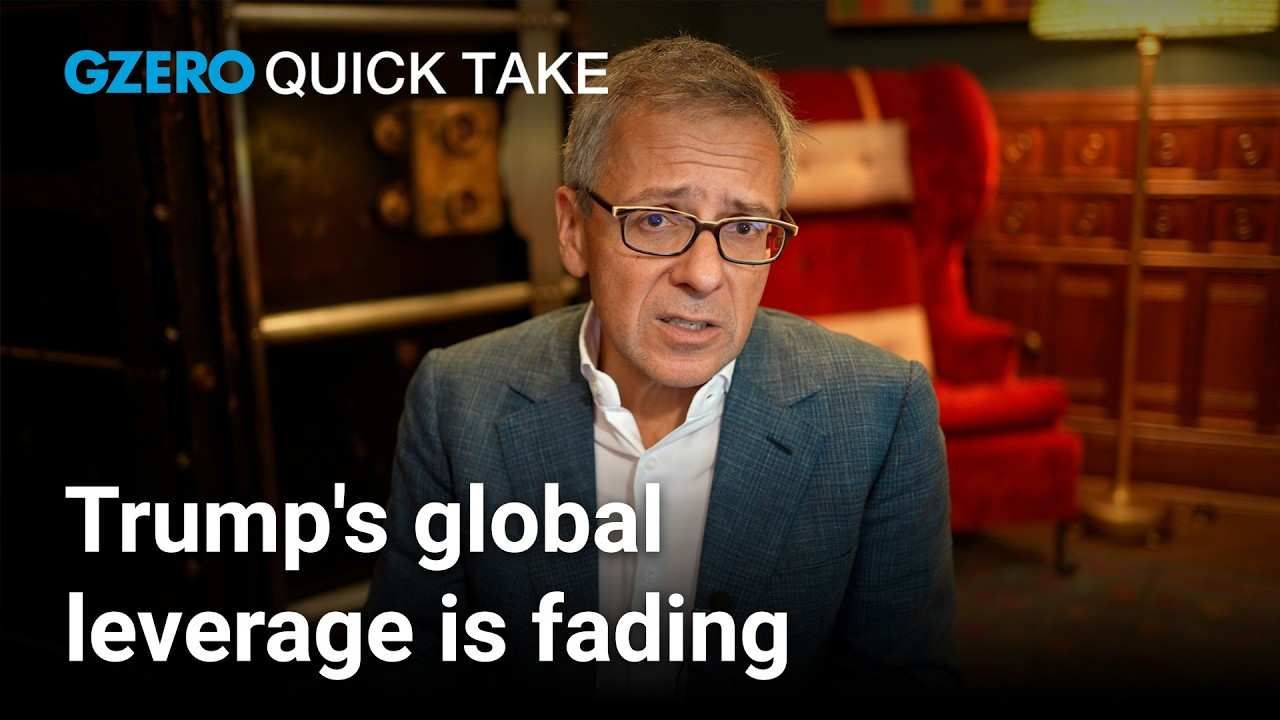
In this Quick Take, Ian Bremmer explains why the Greenland deal President Trump plans to announce at the UN this week is a story about shifting US leverage on the global stage.
Ian says Trump's confidence and ability to get what he wants peaked in January, around the US role in removing Venezuelan leader Nicolas Maduro. Since then, he points to setbacks including China's pushback on critical minerals and a tougher road to strikes on Iran as signs that other countries are less willing to simply go along with Washington's demands.
The Greenland deal fits that pattern. After months of Trump insisting the US needed sovereignty over the territory, the final agreement lands well short of that demand. Nordic and European leaders are happy to let Trump call it a win, since it means Greenland stops being a source of conflict, at least for now
Ian closes with a broader point: Trump may not worry about the long-term costs since they'll play out well after he's left office. But for the countries navigating a more unpredictable Washington, the caution they've learned this year isn't going away anytime soon.
More For You
Brazilian voters arrive at a polling station at Cidade Universitaria to cast their ballots in the second round of Brazil's presidential election in Lisbon, Portugal, on October 25, 2026.
Luis Boza via Reuters Connect
Elections have been taking place around the world in recent weeks – and if there’s one thing they have in common, it’s this: voters are fired up.
Most Popular
Airlines across the continent have been affected by threats, now in their second week, with some planes making emergency landings or being escorted by fighter jets.
Did the midterms tank Vance's 2028 chances? | The Debrief with Clayton Allen
On The Debrief, Clayton Allen explains why the vice president’s ties to Trump—and dependence on a fractured MAGA coalition—could make 2028 a race he chooses to skip.
From shopping to services, consumer spending is showing strength across categories. Holiday shopping got an early start, and it’s not just higher earners filling their carts. Bank of America Institute sees continued spending growth recovery for lower- and middle-income households. See what’s driving the trends.
© 2025 GZERO Media. All Rights Reserved | A Eurasia Group media company.