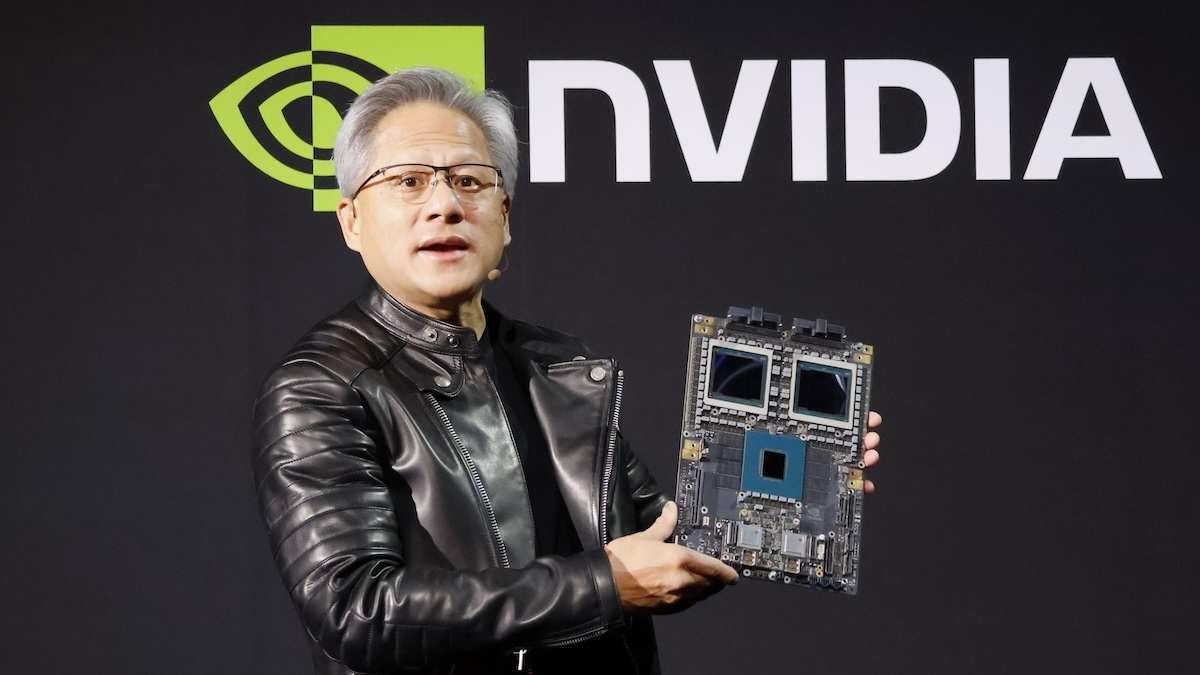
Jensen Huang resigns as CEO of Nvidia
The co-founder of the chipmaking colossus resigned on Thursday, just days after admitting to an affair with a suspected Chinese spy. Huang’s exit sends shockwaves through the tech industry and the wider geopolitics attached to it. He was, personally, the force that made Nvidia a dominant player in AI, both as an elite chipmaker and data center investor. His exit could rattle investor sentiment in the AI boom and raises the question of whether Nvidia can maintain its leading position in the sector. If not, competition for its market share will be brutal (and political) among both American and Chinese firms. What’s more, we don’t know whether Huang’s affair compromised US national security. This all highlights a new kind of risk: tech companies exert almost state-like power in some areas of global politics, but they often depend heavily on their CEOs, whose vulnerabilities or indiscretions can quickly rattle the world.
Mysterious bomb threats continue to rattle Europe
Hundreds of schools across Italy were evacuated on Wednesday due to hoax bomb threats emailed to over 6,000 schools. These are just the latest in a wave of hoax threats impacting Europe. Last week, airports in several countries, including the Czech Republic, Denmark, and Ireland, received multiple bomb threats that grounded dozens of flights and, in some cases, forced emergency landings. Yet, no explosives were found. Dozens of threats were also made to schools in Northern Ireland and Scotland yesterday. And once again, no bombs were discovered. European authorities have yet to say who they think is responsible, though they have said the threats appear to be coordinated. The incidents come amid growing concerns in Europe over hybrid attacks from Russia and Iran, particularly after hackers that French officials said were affiliated with Iran’s Islamic Revolutionary Guard Corps targeted refrigeration systems in cyberattacks across France, Belgium, and Luxembourg.
Spain’s PM gets a big win before elections
Just one day after Spanish workers staged the country’s largest general strike in over a decade, Pedro Sánchezscored a major political victory. Parliament passed a much-anticipated housing reform earlier today that caps rent, includes a temporary ban on evictions, and imposes restrictions on corporate ownership of rental properties. Sánchez’s government has been plagued by corruption scandals and low approval ratings, and he made a risky gamble this summer by calling snap elections amid widespread anger over housing costs. Since then, he has tried to position himself as a champion of housing reform, and the new measures give him a real victory to tout. Meanwhile, the leader of the conservative People’s Party, which has been leading Sánchez’s Spanish Socialist Workers’ Party in the polls, vowed to repeal the reforms if elected, which might also help Sánchez ahead of the election at the end of the month.