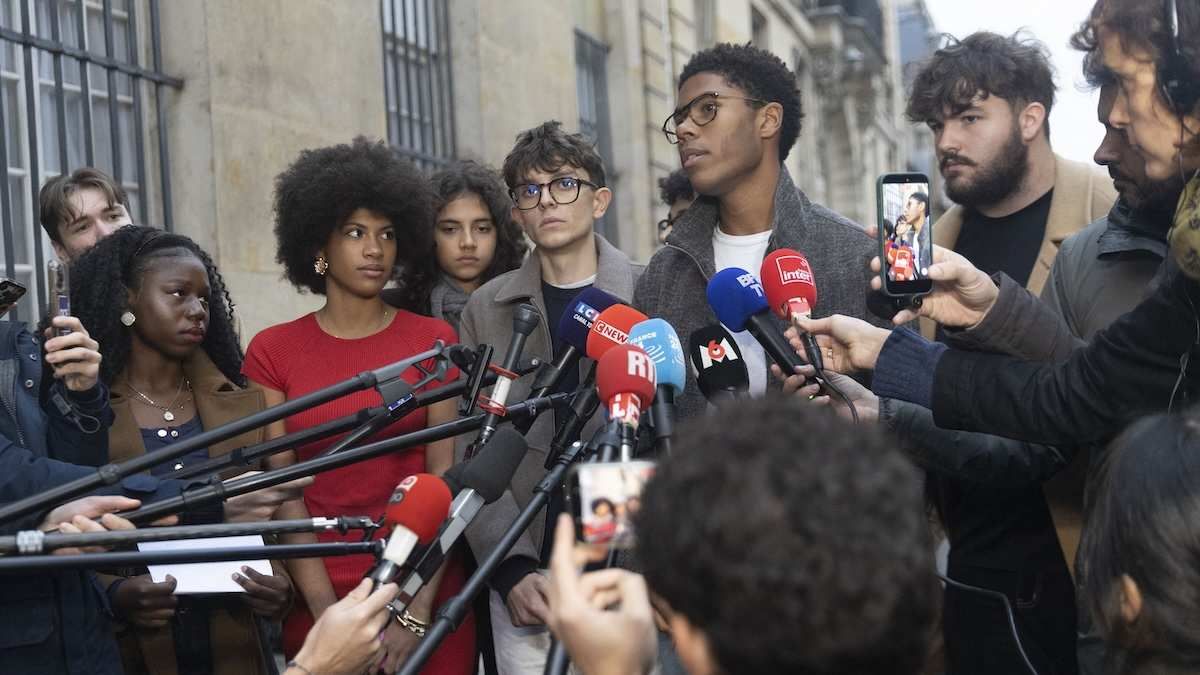
France offers concessions to protesters
After weeks of student-led protests over poor conditions in French schools, the government has promised to dedicate €4 billion ($4.5 billion) to school renovations, improve teaching, implement other education reforms, and to replace its controversial university admissions platform by 2028. But while representatives from two student groups welcomed the concessions, they said the government had not yet met their demands and called for protests to continue. The groups also asked for 250,000 additional university places after its admissions platform left many unable to attend, while the government pledged just 15,000. Even so, the 2028 deadline allows President Emmanuel Macron to pass the problem to his successor, with far-right Marine Le Pen currently leading polls.
Protests escalate in India over Chinese dam
India has deployed security forces to the remote Siang Valley in northeast India after protests over a proposed mega-dam turned violent last week. Protesters set fire to a police station and the country’s National Hydroelectric Power Corporation offices to protest the dam, which India plans to build in response to a major Chinese hydropower project further upstream. India fears China’s hydropower project, which will be the world’s largest, could let it control the river's flow and potentially reduce its stream by up to 85% during dry seasons. The river currently supplies water to more than 100 million people in China, India, and Bangladesh. But protesters say India’s proposed dam could flood an estimated 27 villages in the province and affect at least 40 more, sparking protests as water becomes an increasingly contested resource.
Bolsonaro ordered not to leave Brazil after election loss
Just two days after losing Brazil’s presidential election, Senator Flávio Bolsonaro has been ordered to surrender his passports to prevent him from fleeing the country. Supreme Court Justice Alexandre de Moraes, who also oversaw the trial that convicted Flávio’s father, former President Jair Bolsonaro, for attempting to overturn the 2022 election, ordered the move because of Flávio’s potential involvement in an ongoing money laundering investigation. When Flávio Bolsonaro’s Senate term ends early next year, his special judicial immunity will also expire, potentially opening the door to prosecution over corruption allegations that plagued his presidential campaign. The Supreme Court’s actions risk further inflaming tensions in an already polarized country, particularly after President Luiz Inácio Lula da Silva’s remarkable second-round comeback, which many on the Brazilian right have claimed was the result of a stolen election.