June 15, 2026
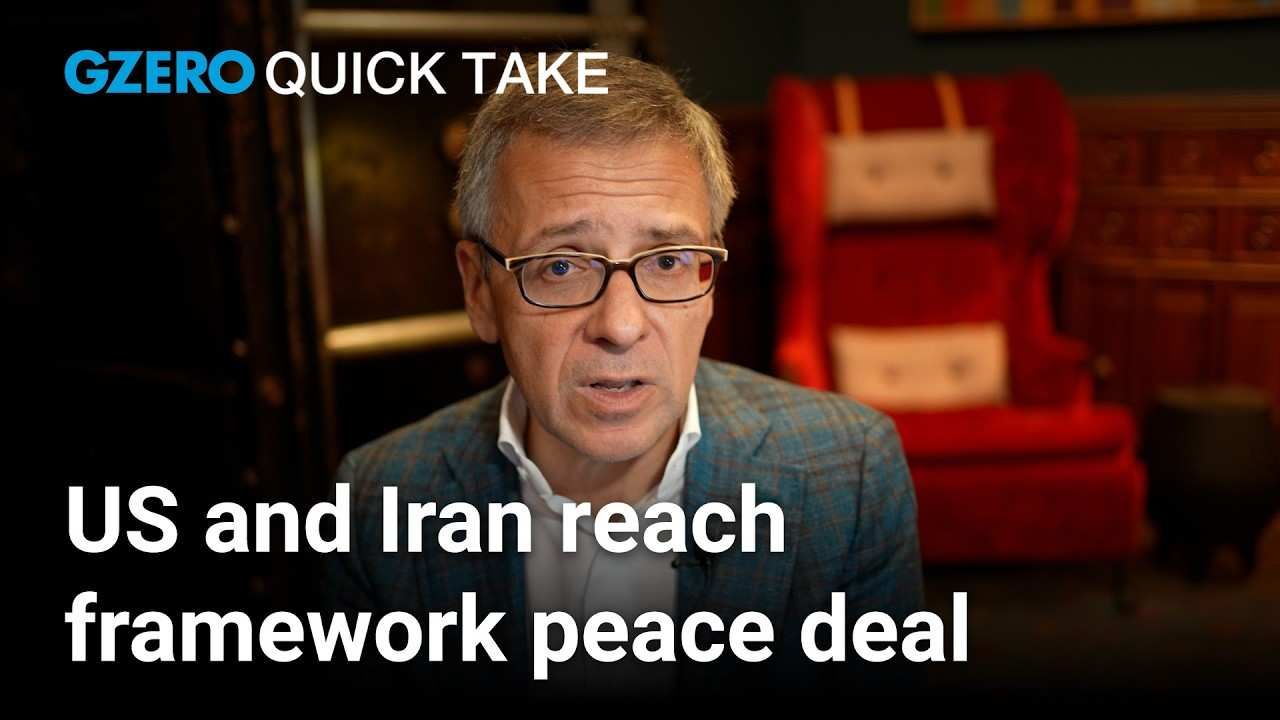
In his latest Quick Take, Ian Bremmer says the US and Iran’s memorandum of understanding to end the fighting and reopen the Strait of Hormuz marks progress, but warns it falls far short of resolving the broader conflict.
Ian explains that while markets are responding positively, key details of the agreement remain unclear, with Washington and Tehran offering competing accounts of what was actually negotiated. He cautions that “there’s plenty of ways for this to get derailed.”
Ian argues that reopening the Strait is a critical step for the global economy, but the agreement leaves major questions unanswered from Iran’s nuclear program to regional proxy conflicts.
“This war has been a disaster for the Americans and for President Trump,” he says, warning that even a successful deal to reopen the Strait will not undo the deeper damage caused by the war.
More For You
From shopping to services, consumer spending is showing strength across categories. Holiday shopping got an early start, and it’s not just higher earners filling their carts. Bank of America Institute sees continued spending growth recovery for lower- and middle-income households. See what’s driving the trends.
Most Popular
Members of the Green Bangla Garment Workers Federation hold a protest rally demanding the immediate reconstitution of the wage board for garment workers and the announcement of a minimum wage of Tk 30,000 in front of the National Press Club in Dhaka, Bangladesh, on October 9, 2026.
Mamunur Rashid/NurPhoto
Garment workers in Bangladesh have taken to the streets over the past week, demanding higher wages and forcing more than 600 factories to shut down nationwide.
As AI creates new opportunities, the people who understand a community best play an important role in determining how those opportunities take shape. Across the US, Microsoft is supporting AI literacy classes as part of a new program developed in collaboration with the Public Library Association, working through trusted local institutions to help people build practical AI skills. By pairing new technology with local knowledge, the initiative is helping communities explore how AI can support their needs and open new possibilities, while putting local leaders and organizations at the center of that work. Read the full story here.
People cast ballots inside the Cuyahoga County Board of Elections during early voting ahead of the midterm elections in Cleveland, Ohio, US, November 1, 2026.
REUTERS/Shannon Stapleton
We’re breaking down the three main issues that could help decide tomorrow’s elections: the cost of living, Israel, and AI.
© 2025 GZERO Media. All Rights Reserved | A Eurasia Group media company.