GZERO World with Ian Bremmer Podcast
Cuba's Trump standoff and economic crisis with Michael Bustamante
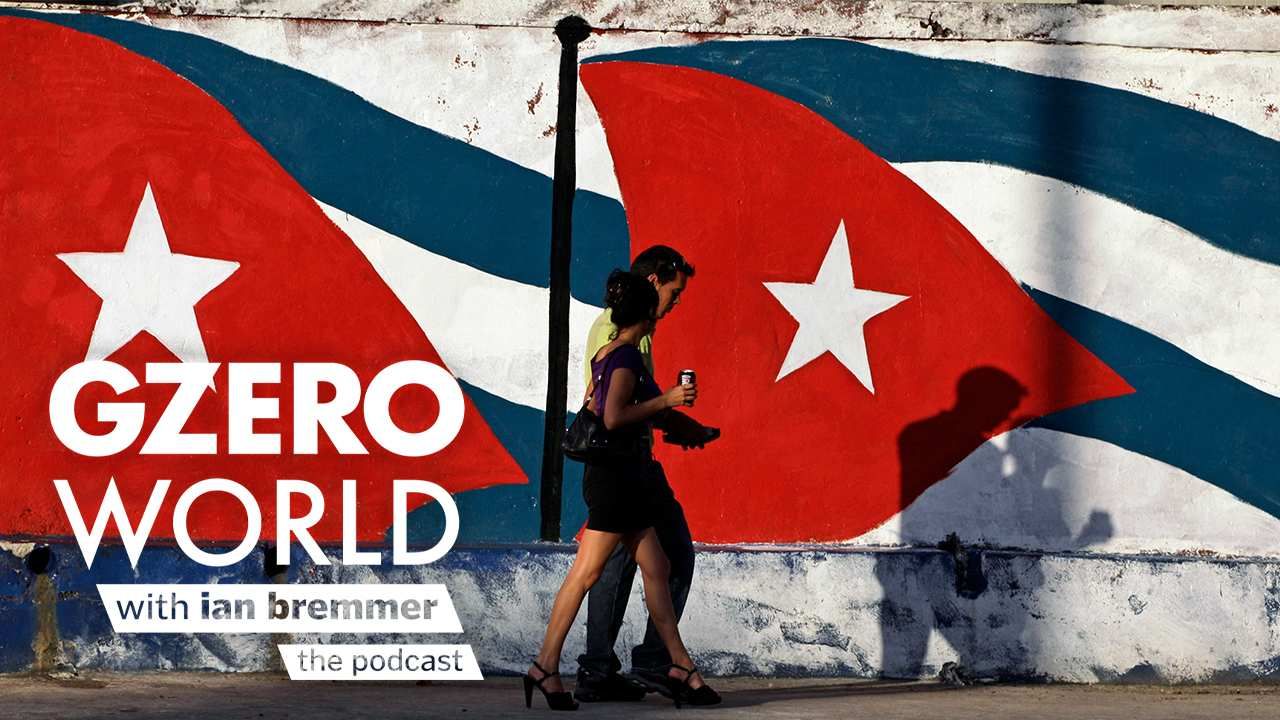
This week, Ian Bremmer sits down with University of Miami historian and Cuba expert Michael Bustamante to make sense of the US-Cuba standoff.
Cuba is in its worst crisis in 30 years, with basic necessities like fuel, water and food in short supply. Between one and two million Cubans have left in the past five years, the largest exodus in the island's history. And the opposition is too weak, too scattered, and too decimated by exile and imprisonment to be a real political alternative.
Trump says 2026 is the year of liberation. But Bustamante argues the hard realities don't match his expectations, and a military invasion is unlikely. A purely economic deal, closer to Obama's 2015 opening, might suit Trump's deal-making instincts, and Cuba's government has signaled it could live with that too. But it would be a betrayal of everything Cuban Americans in South Florida have been promised. And for Marco Rubio, it would be a defining political problem. Together, Bustamante and Bremmer discuss the realistic outcomes -- will Trump get what he wants, and can the 80 years old communist regime survive this crisis?
Subscribe to the GZERO World with Ian Bremmer Podcast on Apple Podcasts, Spotify, or your preferred podcast platform, to receive new episodes as soon as they're published.
Can Washington turn military pressure into a diplomatic strategy? Brett McGurk joins Ian Bremmer on the GZERO World podcast to discuss the Iran war, Houthi attacks, and how elections in Israel and the US could reshape the region.
Think you know what's going on around the world? Here's your chance to prove it.
Canadian Prime Minister Mark Carney is in Turkey on Thursday for talks with President Recep Tayyip Erdogan - the visit is the first by a Canadian prime minister.