popular
A Future To Believe In
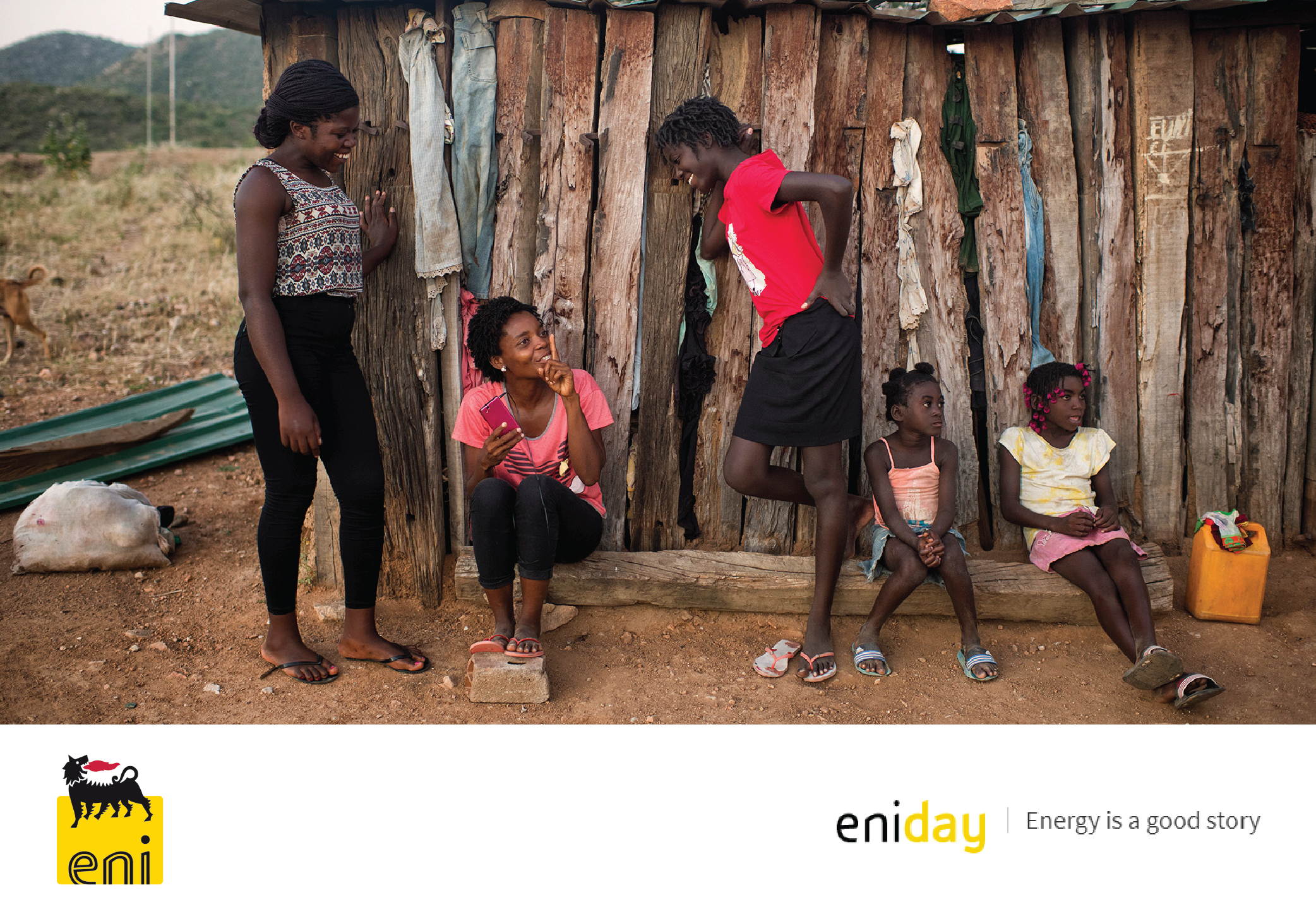
In Benguela, Angola, the fields surrounding a village called Kanenguerere are strewn with landmines, the legacy of Angola's 27-year civil war which ended nearly two decades ago. In 2017, a unique group called HALO Angola's 100 Women in Demining, supported by Eni, began training and employing local women to remove Angola's landmines. In a country where employment opportunities for women are rare, the project seeks to empower women to take control of their future. Making the land safe has given the children of Kanenguerere the chance that every child deserves to reach their potential and have a future they can believe in.
Last week, Microsoft shared a five‑point set of commitments to guide its Community‑First approach to building AI and cloud infrastructure in Canada. As the company moves from investment to implementation, these commitments reflect what communities across the country say matters most: affordable and reliable energy systems, sustainable water use, good jobs, strong public services, and access to the skills needed to succeed in an AI‑driven economy. The Community‑First framework establishes a model for responsible infrastructure development—one that prioritizes affordability and sustainability while supporting long‑term economic opportunity. As demand for AI infrastructure accelerates, these commitments underscore a core principle: meaningful technological progress depends on growing in true partnership with the communities where this infrastructure is built. Read the full blog here.
Harvard economist and former IMF Deputy Managing Director Gita Gopinath explains how Iran war is creating a surge in energy costs that's rippling through the global economy and pushing prices higher across everything from fuel to food.