The Orbán era is over in Hungary
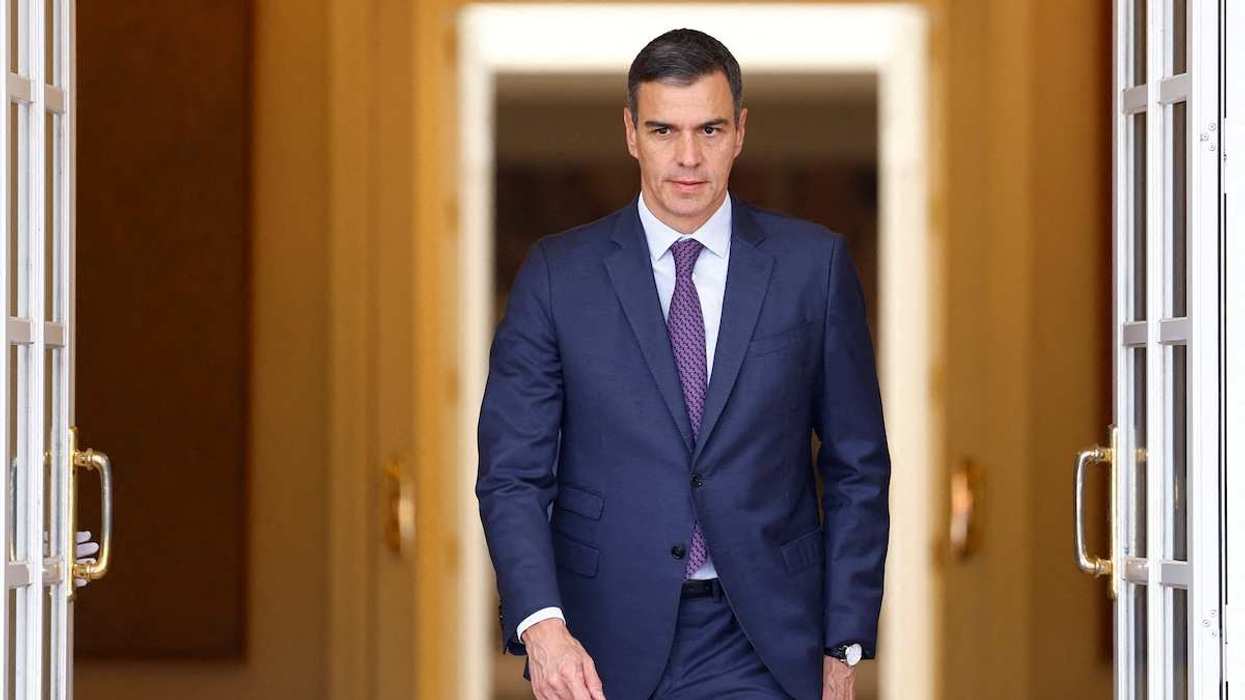
In the end, it wasn’t even close: Péter Magyar’s Tisza party stormed to victory in yesterday’s Hungarian election, ousting Prime Minister Viktor Orbán after 16 years in power. The result sparked scenes of jubilation on the streets of Budapest. Tisza is set to win 138 of Hungary’s 199 parliamentary seats, enough to enact constitutional changes like restoring the independence of the judiciary and ending the system of patronage that critics have called corrupt. Orbán’s Fidesz party will have just 55 seats. The result is a major win for Europe and the European Union: Magyar could greenlight billions of euros of funds for Ukraine’s war effort, which Orbán had held up. Magyar, who will all-but certainly become PM, will have his work cut out. The country became the poorest of the EU’s 27 members last year, following years of inflation, falling real wages, and underinvestment in healthcare.
As Catholicism grows in Africa, Pope Leo follows
“I'm not a fan of Pope Leo,” said US President Donald Trump on Monday, as the first American-born pope begins an 10-day trip through Africa. While the pacifist-minded pontiff may be unpopular in the White House, 600,000 faithful are expected to join a single mass in Cameroon. Africa’s importance to the Catholic Church has grown, with half of all Catholic baptisms now happening on the continent. Recognizing that demographic reality, Leo XIV has elevated Nigerian clergy to senior Vatican posts and will now deliver 25 speeches in four African countries. He hasn’t yet visited America as pope and currently has no plans to make the trip, despite speculation that the Chicago native would visit for the US’s 250th birthday this summer.
World Bank, IMF meetings begin under shadow of Iran war
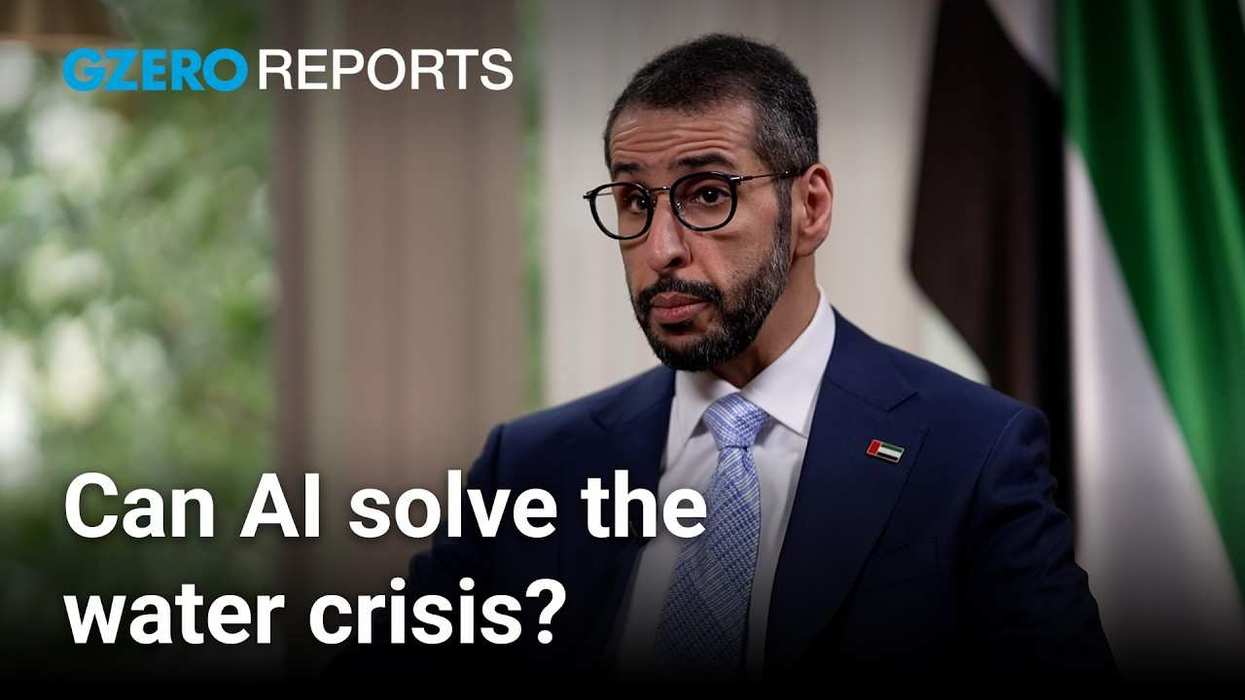
Finance leaders gather in Washington, D.C., this week for the World Bank and IMF Spring Meetings amid a fast-moving geopolitical backdrop. The war in Iran is already clouding the outlook, driving up energy costs, and complicating inflation and growth forecasts, especially for developing economies. Expect the conversations to focus heavily on sovereign debt, mobilizing private capital, and how AI is reshaping productivity and inequality across the Global South. The throughline: jobs, and how to create them at scale in a higher-debt, more fragmented world. Water will also be a key topic: roughly 2 billion people lack safely managed drinking water, and water scarcity could slash growth by up to 25% in severely affected regions in the coming decades. The World Bank’s new “Water Forward” push aims to treat water not just as infrastructure, but as a core economic system tied to food security, energy, and jobs.
GZERO’s Tony Maciulis will be inside the World Bank’s headquarters all week, bringing you interviews and coverage for our Global Stage series.