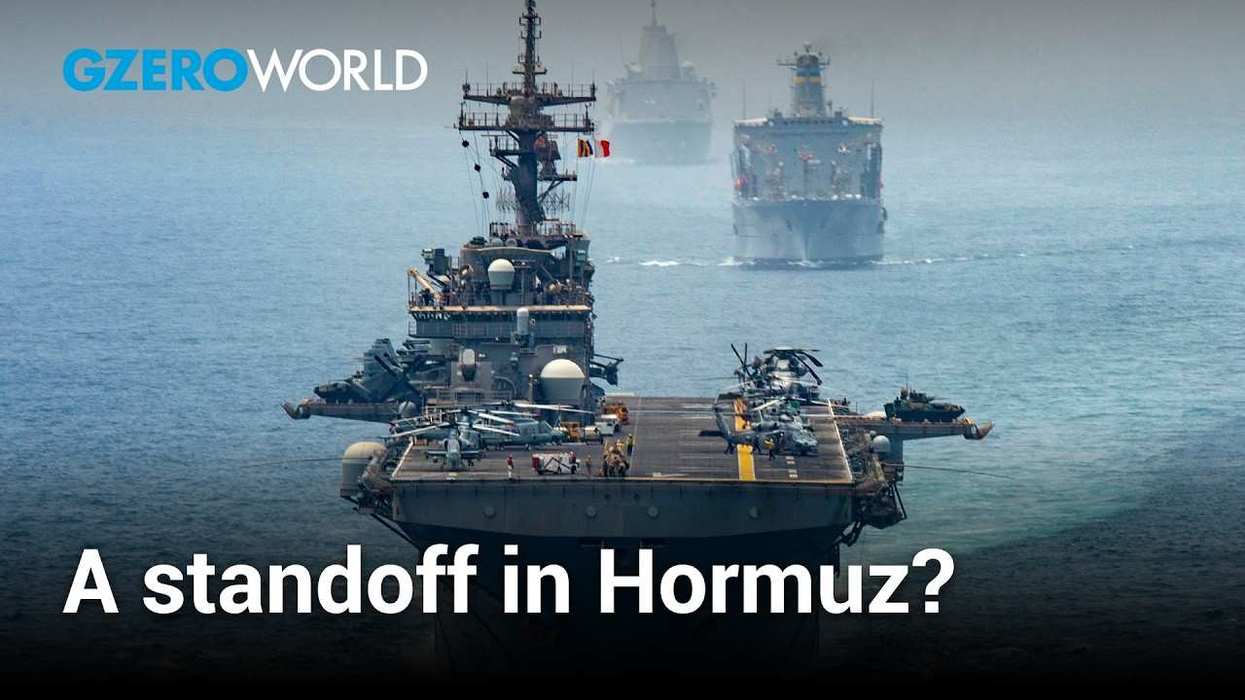
According to American Enterprise Institute's Kori Schake, when the US struck Iran, it was easily foreseeable that Tehran would move against the Strait of Hormuz. Washington failed to predeploy forces to counter that, and now the US is paying for it. The distant blockade prevents Iran from fully profiting from its position, but it doesn't reopen the waterway. Commercial shipping won't run the risk of a potentially mined strait, and the US isn't willing to force the issue.
That leaves two options, neither good, Shake says. Dramatic escalation, after 37 days of intensive military operations failed to produce Iranian capitulation, or accepting that Iran controls one of the world's most critical chokepoints. As she puts it: "We're at a Mexican standoff with the Iranians, which means we're gonna have to negotiate some kind of arrangement that's not just in our interests but also in their interests to get them to release the chokehold on the strait."
The most likely path forward is a drawn-out negotiation, with Washington hoping economic pressure on Tehran outlasts economic pressure on everyone else. But that is a bet, not a strategy, and every week the Strait stays closed, the costs mount for US allies, global markets, and the credibility of American military power.