Hormuz standoff: Who blinks first?
April 16, 2026
Global Stage LIVE from United Nations WATCH REPLAY
The latest in geopolitical news explained by GZERO Media and Eurasia Group experts.
Presented by
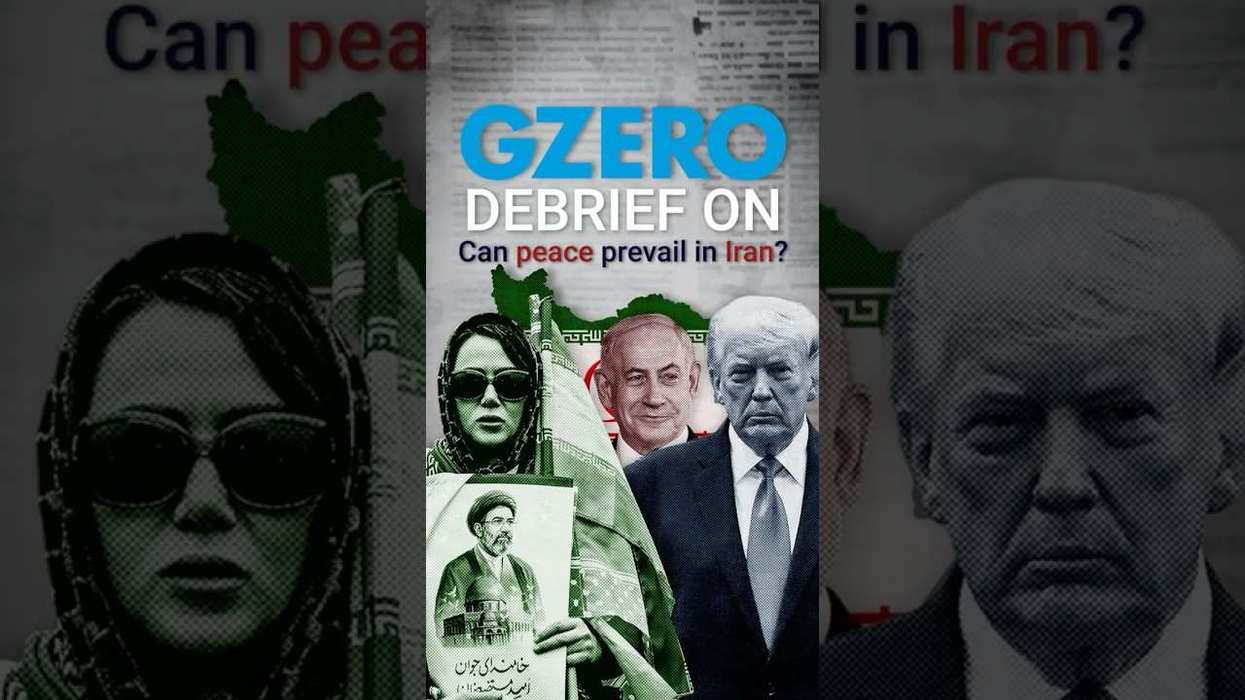
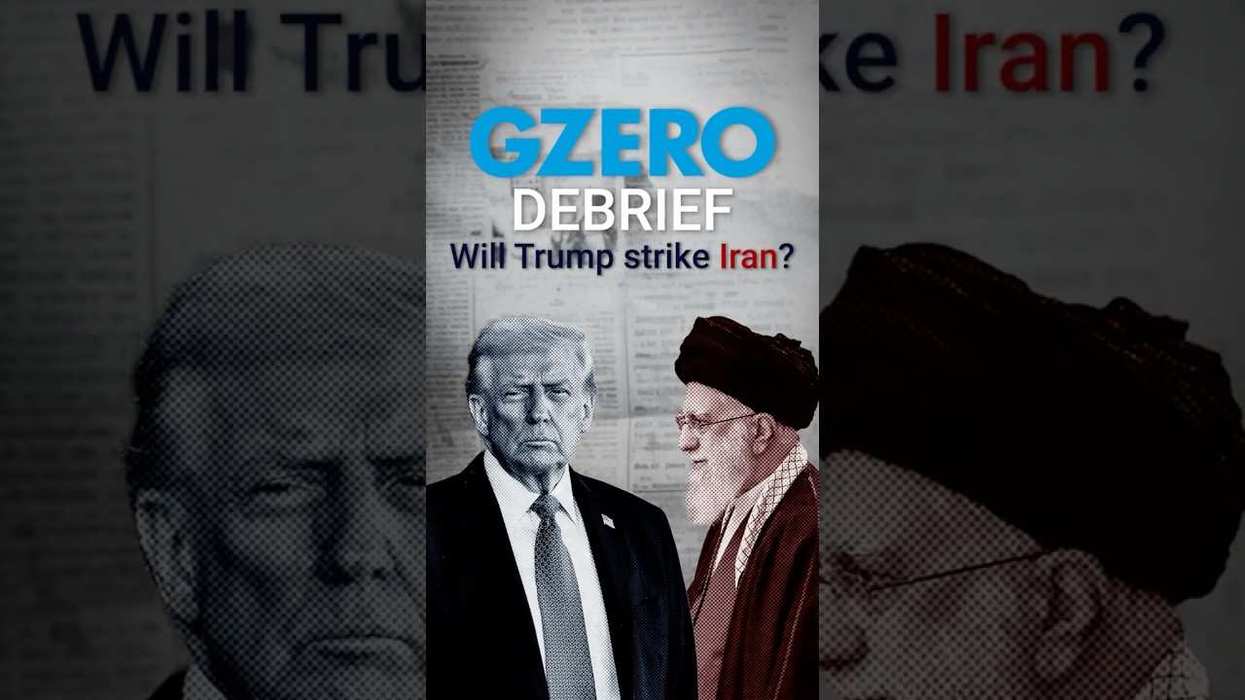
In Iran, a shooting war has given way to a fragile ceasefire and a high-stakes standoff in the Strait of Hormuz, with the global economy hanging in the balance.
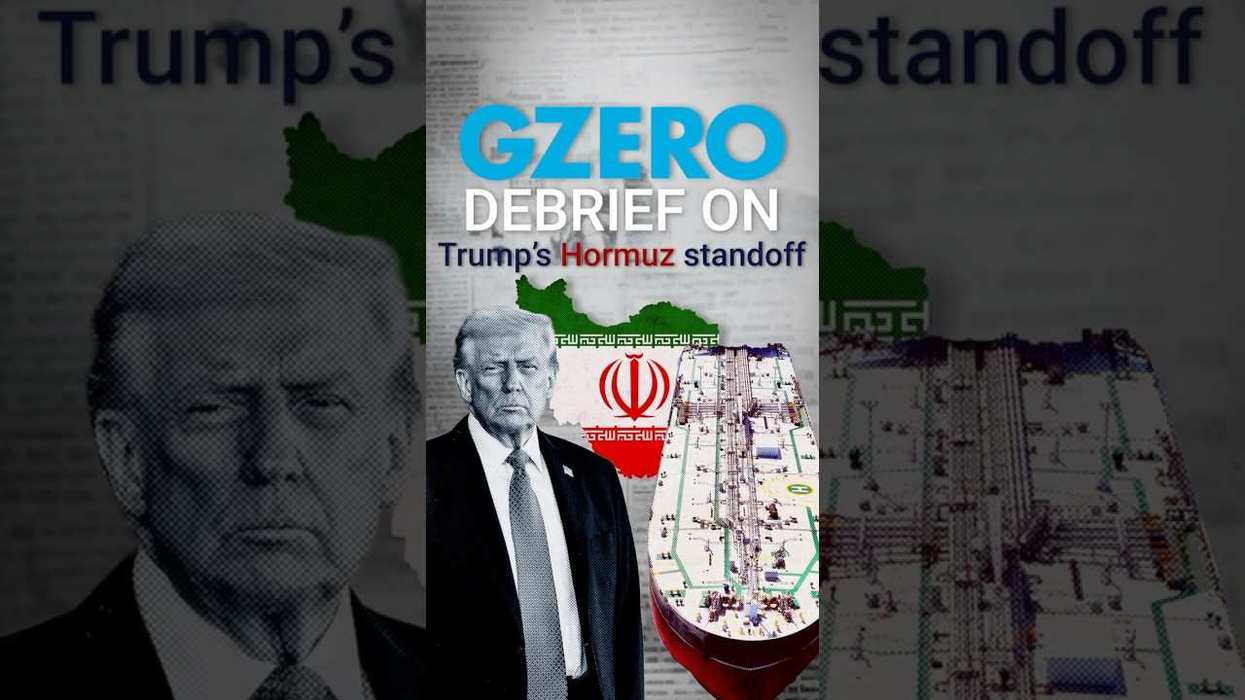
Iran now holds effective control over a critical oil chokepoint, says Eurasia Group energy analyst Gregory Brew, while the US enforces its own blockade to try to squeeze Iran. The result: dueling blockades, rising prices, and a simple question—which side will blink first? And how much economic damage will be done in the meantime?
A shooting war has turned into a standoff over the Strait of Hormuz, with the US and Iran seeing who will blink first—and the entire global economy at stake. Last week, the US and Iran agreed to a ceasefire, ending a war that had dragged on for over a month and had driven oil prices well above $100 a barrel. For now, both sides have agreed that talking is better than shooting. And while one round of talks in Islamabad ended without a deal, both sides have signaled they want to keep the door open to further negotiations, or at least an extension of the ceasefire.
Diplomatic progress has left one big blind spot, though: the Strait of Hormuz. The war ended with Iran in effective control over the waterway that handles 20% of the global oil supply. Throughout the war, the only ships able to get through the strait were either carrying Iranian oil or willing to pay a toll to secure safe passage.
Iran’s effective control over the Strait of Hormuz is not acceptable to the United States—or, for that matter, to anyone else. But a month of heavy bombardment failed to dislodge Iranian forces. So instead, the US is turning back to pressure tactics, announcing a blockade on Iranian shipping to force Tehran to comply with US demands and reopen the strait.
The problem: Iran’s leaders have long resisted economic coercion. At the same time, they’ve enjoyed a windfall—exporting more than two million barrels a day of oil and refined products over the past month at market prices. That means any blockade will have to be aggressively enforced and sustained over time to have real impact. In the meantime, it’s a standoff—and the stakes couldn’t be higher.
Even if the ceasefire holds, and even if talks continue, as long as dueling blockades remain in place, few—if any—ships will get through the Strait of Hormuz. That means oil prices will stay elevated, shortages of key commodities will worsen, and US gas prices could approach or exceed $5 a gallon heading into summer. The question now: will Trump maintain economic pressure on Iran, enduring higher prices at home to force a tougher deal? Or will the US move quickly toward an agreement to reopen the strait and bring the conflict to a swift—if imperfect—end?








Keep up with what’s going on around the world - and why it matters.